Workplace Hazard Identification Checklist: Find Risks Before They Cause Injuries
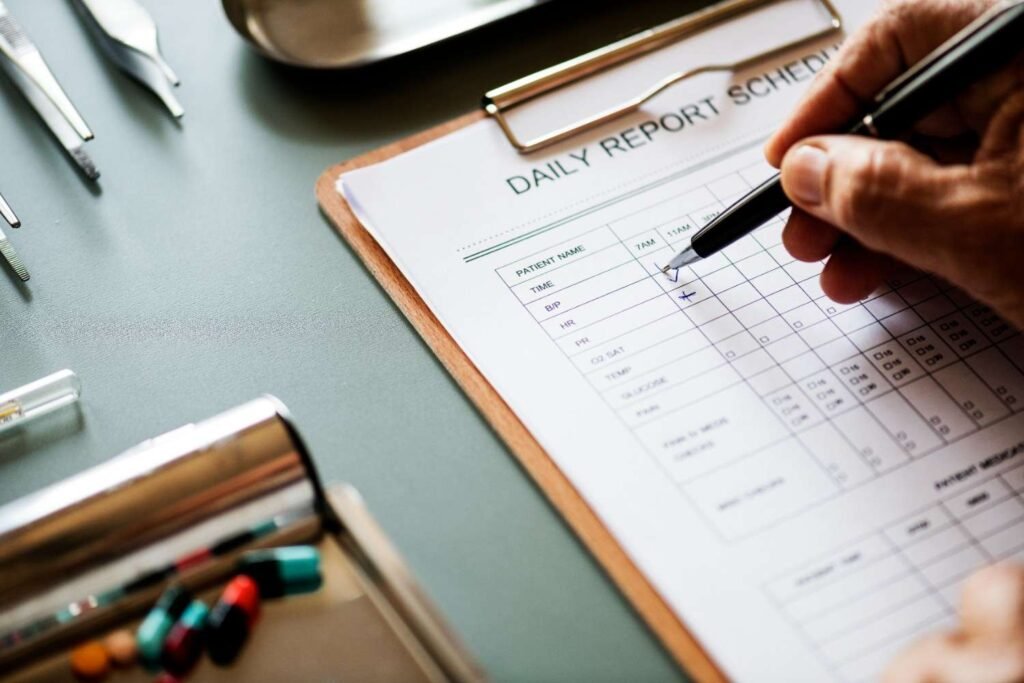
A workplace hazard identification checklist helps you find safety risks before they turn into injuries, downtime, workers’ compensation claims, or OSHA-related problems. I like to see it as more than a form. It is a practical inspection tool that shows what is safe, what is unsafe, and what needs to be fixed before someone gets hurt.
In US workplaces, hazards often hide in everyday routines. A blocked exit, damaged cord, slippery floor, unlabeled chemical bottle, missing machine guard, poor lighting, or badly adjusted workstation can seem minor until it causes an accident.
That is why regular inspections matter. OSHA encourages employers to inspect workplaces, identify hazards, involve workers, and control risks before incidents happen.
This guide combines a practical workplace safety checklist with an easy inspection process you can use in offices, warehouses, manufacturing areas, maintenance shops, healthcare settings, retail stores, and general work environments.
What Is a Workplace Hazard Identification Checklist?
A workplace hazard identification checklist is a systematic inspection tool used to detect environmental, physical, chemical, ergonomic, mechanical, fire, electrical, biological, and operational hazards. It helps safety managers, supervisors, and employees inspect the workplace consistently instead of relying on memory.
The goal is simple. You look for hazards, think about the possible impact, act on the risk, and monitor the fix. A strong hazard assessment checklist should also document the location, risk level, corrective action, responsible person, and deadline.
Why Is Hazard Identification Important for Workplace Safety?
Hazard identification matters because most workplace accidents are preventable when risks are noticed early. I have seen many unsafe conditions continue simply because everyone assumed someone else would report them. A checklist removes that confusion.
It also supports OSHA readiness. Employers are expected to maintain safe working conditions, provide training, control known hazards, and keep required safety information accessible. When you use a checklist regularly, you create a record of proactive safety efforts and show that your team takes prevention seriously.
How Do You Check General Work Environment and Housekeeping Hazards?

Start with the basic work environment because housekeeping issues often lead to slips, trips, falls, blocked access, and fire risks. Floors should be clear of liquids, grease, debris, loose cords, and uneven surfaces. Aisles should be well-lit, marked where needed, and free from storage or obstructions.
Lighting should be strong enough for employees to work safely in active areas, storage rooms, stairways, parking areas, and loading zones. Ventilation should work properly, especially in spaces where dust, fumes, vapors, cleaning products, or heat may affect employees.
Waste should be removed regularly, and oily rags or flammable debris should be kept in covered containers when required by the work activity.
How Do You Inspect Fire Safety and Emergency Preparedness?
Fire safety should be checked during every serious workplace safety inspection. Exits must stay unobstructed, clearly marked, and unlocked from the inside during working hours. Emergency escape routes should be posted or communicated clearly, and employees should know where to go during a fire, severe weather event, chemical spill, medical emergency, or evacuation.
Fire extinguishers should be visible, accessible, unobstructed, and inspected according to the required schedule. Annual service tags should be current. Fire blankets or other fire-control tools should be available where the workplace risk assessment requires them, such as kitchens, labs, or areas with specific heat or flame hazards.
Emergency alarms, pull stations, communication systems, and emergency lighting should also be functional and easy to locate.
What Electrical and Mechanical Hazards Should You Look For?
Electrical hazards can become serious quickly, so never treat damaged equipment as a small issue. Check for exposed wiring, frayed cords, broken plugs, overloaded outlets, daisy-chained power strips, missing covers, and equipment that sparks, overheats, or shuts off unexpectedly.
Electrical panels should remain accessible, with clear working space maintained around them. In many general workplace situations, a 36-inch clearance in front of electrical equipment is a common safety expectation, though exact requirements can depend on voltage and equipment type. Do not store boxes, tools, carts, or cleaning supplies in front of panels.
Mechanical hazards also need close attention. Belts, pulleys, rollers, blades, gears, conveyors, and nip points should have proper machine guarding. Lockout/tagout procedures, locks, and tags should be available for maintenance and repair work so machines cannot start unexpectedly while someone is servicing them.
How Should Chemical and Biological Hazards Be Reviewed?
Chemical safety is a major part of any workplace hazard identification checklist. Safety Data Sheets should be updated, accessible, and easy for employees to find when they handle chemicals. Every primary and secondary container should be clearly labeled with the product identity and hazard warning information unless it falls under a limited immediate-use exception.
Storage areas should be inspected for leaks, damaged containers, poor ventilation, incompatible chemicals stored together, and missing spill controls. Flammable materials should be stored in approved safety cabinets where required.
Spill kits should be placed near chemical storage or handling areas and should include complete absorbent materials, disposal supplies, and instructions employees can follow within their training level.
Biological hazards should also be reviewed in workplaces where employees may contact blood, bodily fluids, mold, waste, pests, contaminated surfaces, or infectious materials. Cleaning procedures, disposal practices, PPE, and reporting steps should be clear.
How Do You Review Ergonomics and Manual Handling Risks?

Ergonomic hazards often build slowly, but they can cause long-term pain, fatigue, and lost productivity. Check whether workstations have adjustable chairs, properly positioned monitors, comfortable keyboard and mouse placement, and enough space for employees to work without twisting or reaching awkwardly.
Manual handling tasks should be reviewed carefully. Heavy loads should be moved with trolleys, carts, mechanical hoists, or team-lift procedures when needed. Repetitive motions, sustained awkward postures, frequent bending, overhead reaching, and long periods of standing should be reduced where possible.
I always recommend asking employees where they feel strain because they often know the problem before it appears on an injury report.
How Do You Check PPE Availability and Enforcement?
Personal protective equipment only works when employees have the right equipment, know how to use it, and wear it consistently. Check whether gloves, respirators, safety glasses, face shields, hearing protection, hard hats, safety shoes, high-visibility clothing, and protective clothing are available where needed.
PPE should be inspected for cracks, tears, wear, contamination, or poor fit. Damaged equipment should be replaced quickly. Mandatory PPE (personal protective equipment) zones should have clear signage, and supervisors should enforce PPE rules consistently.
If employees avoid PPE because it is uncomfortable, unavailable, or confusing, the hazard control system is not working well enough.
What Is the Best Four-Step Hazard Inspection Process?
The easiest process is look, think, act, and monitor. First, look by walking the site and noting anything damaged, out of place, blocked, leaking, loose, unlabeled, unstable, or unsafe. Next, think about the root cause and potential impact. Ask who could be harmed, how serious the injury could be, and whether the risk could happen soon.
Then act by assigning fixes, enforcing PPE, improving housekeeping, repairing equipment, adding signage, using engineering controls, updating procedures, or stopping unsafe work when needed. Finally, monitor the change. A hazard is not truly controlled until the fix remains effective over time.
How Often Should a Workplace Safety Checklist Be Completed?

The right schedule depends on your workplace. Offices may complete inspections monthly or quarterly, while warehouses, manufacturing areas, maintenance shops, and higher-risk worksites may need weekly or daily checks.
You should also inspect after an incident, near miss, equipment change, new chemical use, layout change, seasonal weather shift, or employee safety concern.
A workplace hazard identification checklist works best when it becomes part of normal operations, not something used only before an audit.
Common Mistakes to Avoid During Workplace Hazard Identification
One common mistake is completing the checklist without fixing anything. If the same hazards appear every month, the process is not protecting employees. Another mistake is inspecting only visible hazards while ignoring rushed tasks, fatigue, unclear procedures, poor training, employee concerns, and proper hazard control.
You should also avoid using a generic checklist without adapting it. A warehouse, office, retail store, machine shop, and healthcare facility do not share the same risks. The checklist should match the real tasks, equipment, materials, and people in your workplace.
Frequently Asked Questions (FAQs)
1. What should be included in a workplace hazard identification checklist?
It should include housekeeping, slips and falls, fire safety, electrical hazards, machine guarding, lockout/tagout, chemicals, SDS access, PPE, ergonomics, manual handling, emergency procedures, and corrective actions.
2. Who should complete a workplace safety checklist?
Supervisors, safety managers, trained employees, and workers who perform the job should be involved because frontline employees often notice risks first.
3. Is a hazard identification checklist the same as a risk assessment checklist?
No. Hazard identification finds what could cause harm, while risk assessment evaluates how likely and severe that harm could be.
4. How can I make my workplace checklist OSHA-ready?
Use OSHA-aligned safety categories, inspect regularly, document hazards clearly, train employees, keep SDS information accessible, assign corrective actions, and follow up until hazards are controlled.
Conclusion
A strong checklist does more than help you pass an inspection. It helps you build a safer workplace where hazards are noticed, reported, fixed, and reviewed. When you inspect floors, exits, cords, machines, chemicals, PPE, ergonomics, and emergency systems consistently, you reduce risks before they become incidents and stay better aligned with OSHA workplace safety requirements.