Simple Hand Hygiene Habits Every Family Should Follow Daily
I used to think handwashing was one of those basic habits every family naturally follows without much thought. But once daily life gets busy with school bags, lunchboxes, pets, playgrounds, groceries, shared screens, and quick snacks, it becomes easy to miss the small moments when germs spread the fastest. That is why Simple Hand Hygiene Habits Every Family Should Follow Daily matter more than many people realize.
Good hand hygiene is not about making the home feel overly strict. It is about building easy routines that children, parents, and older family members can actually follow. When clean hands become part of meals, bathroom breaks, outdoor play, cooking, and bedtime, the whole family gets a simple layer of protection every day.
Why Hand Hygiene Matters for Every Family
Hands touch almost everything before they touch the face. A child may touch a desk, toy, pet bowl, stair rail, lunchbox, or tablet, then rub their eyes or eat a snack. Adults do the same after errands, work, cooking, cleaning, or handling packages. These tiny everyday actions can move germs from one person to another without anyone noticing.
Hand hygiene helps lower the chance of spreading common illnesses like colds, stomach bugs, coughs, and bacteria and viruses in foods. It is especially important in homes with babies, school-age children, older adults, or anyone who gets sick easily. Clean hands cannot stop every illness, but they are one of the simplest and most practical habits a family can repeat daily.
The Right Way to Wash Hands
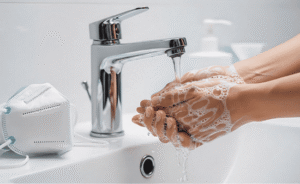
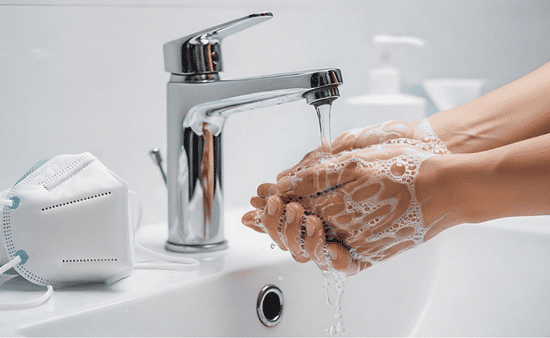
A quick rinse is not enough. Proper handwashing needs clean running water, soap, rubbing, rinsing, and drying. Start by wetting the hands. Add soap and rub the palms together until a good lather forms. Then scrub the backs of the hands, between the fingers, around the thumbs, under the nails, and near the wrists.
The scrubbing part should last about 20 seconds. Children can sing a short song, count slowly, or use a fun bathroom timer to make it easier. After scrubbing, rinse well and dry the hands with a clean towel or air dryer. Drying matters because damp hands can pick up and spread germs more easily than dry hands.
Key Times Families Should Wash Hands
The best routine is built around daily moments. Everyone should wash hands before eating, before preparing food, after using the bathroom, after coughing or sneezing, after blowing the nose, after touching trash, after handling raw food, after changing diapers, after cleaning messes, and after touching pets or pet items.
These habits are also among the most important daily wellness tips for kids during school days, helping reduce the spread of germs in classrooms, cafeterias, playgrounds, and other shared environments.
Families should also wash hands after coming home from school, daycare, work, playgrounds, grocery stores, clinics, public restrooms, sports practice, or shared indoor spaces. A simple “wash when you come home” rule can stop outside germs from moving straight to the kitchen, couch, toys, and bedrooms.
How to Teach Kids Without Constant Reminders
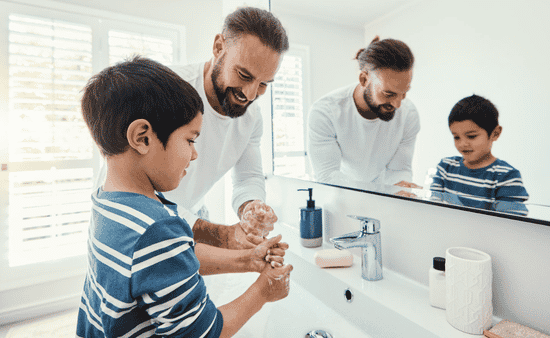
Children learn best by watching. If adults wash their hands before meals and after bathroom use, kids are more likely to copy the behavior. The goal is to make handwashing feel normal, not like a punishment or a boring rule.
For younger kids, use simple language. Explain that germs are tiny and can make people feel unwell, but soap helps wash them away. A step stool, colorful soap, soft towel, or small reminder chart near the sink can make the habit easier. Songs, counting games, and sticker charts can also help during the early stage.
Older children and teens may respond better to practical reasons. Remind them that clean hands can help prevent missed school days, canceled plans, sports interruptions, and spreading sickness to friends or family members. Give them sanitizer for school bags or outings, but teach them that soap and water are still the better choice when hands are dirty or sticky.
Soap, Sanitizer, and Everyday Family Choices
Soap and water should be the first choice when hands are visibly dirty, greasy, sticky, or messy. Plain soap is enough for daily handwashing. Families do not need harsh products for regular use unless a healthcare professional gives specific advice.
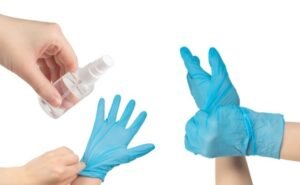
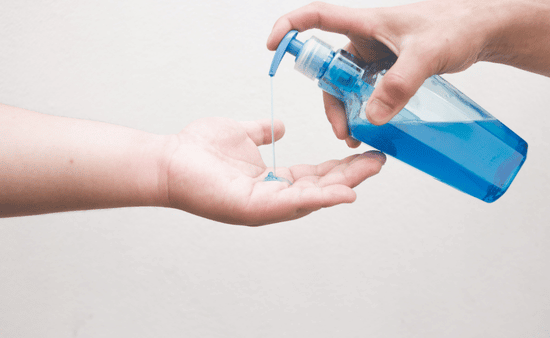
Hand sanitizer is helpful when soap and water are not available. It works well during travel, school pickup, outdoor activities, errands, and after touching shared surfaces. Choose hand sanitizer with at least 60 percent alcohol and teach children to rub it over all parts of the hands until dry. Young children should use sanitizer only with adult supervision, and bottles should be stored safely.
Simple Home Habits That Make Clean Hands Easier
The easiest hygiene routine is the one the family can follow without stress. Keep soap at every sink. Place clean towels where children can reach them. Use a step stool if younger children cannot comfortably reach the faucet. Keep a small sanitizer bottle near the entryway, in diaper bags, school bags, or the car for moments when a sink is not nearby.
A “clean hands before food” rule is also helpful. Many families remember handwashing before dinner but forget it before snacks, fruit, sandwiches, or quick bites. Another smart habit is to wash hands before helping a baby, caring for someone who feels unwell, or preparing lunchboxes.
Common Hand Hygiene Mistakes Families Make
One common mistake is washing too fast. If hands are under water for only a few seconds, soap does not have enough time to loosen dirt and germs. Another mistake is missing the thumbs, fingertips, nails, and spaces between fingers. These areas touch food, phones, toys, and faces often.
Another mistake is relying only on sanitizer. Sanitizer is useful, but it does not replace soap and water in every situation. It may not work as well when hands are greasy, muddy, or visibly dirty. Families should also remember shared items like phones, remote controls, tablets, lunchboxes, water bottles, doorknobs, and light switches. Clean hands work best when paired with regular cleaning of high-touch surfaces.
Building a Daily Family Routine
A simple daily routine can make hand hygiene automatic. In the morning, wash hands after using the bathroom and before breakfast. Before leaving home, remind children when they should wash during the day. After returning home, everyone washes before touching snacks, toys, or shared spaces.
Before dinner, handwashing can become part of setting the table. After outdoor play, pet care, chores, or sports practice, washing should happen before relaxing or eating. Before bed, children can wash after brushing their teeth or using the bathroom. These small routines work because they connect handwashing to habits the family already has.
Frequently Asked Questions
1. What are Simple Hand Hygiene Habits Every Family Should Follow Daily?
Simple Hand Hygiene Habits Every Family Should Follow Daily include washing before meals, after bathroom use, after coming home, after coughing or sneezing, after touching pets, and before preparing food.
2. How long should children wash their hands?
Children should scrub with soap for about 20 seconds while cleaning the palms, backs of hands, fingers, thumbs, nails, and wrists.
3. Is hand sanitizer enough for daily use?
Sanitizer helps when soap and water are not available, but soap and water are better when hands are visibly dirty, greasy, sticky, or messy.
4. How can parents make handwashing fun?
Parents can use songs, timers, colorful soap, step stools, reminder charts, and simple praise to make handwashing feel easy and natural.
Final Thoughts
I believe the best family health habits are the ones that feel simple enough to repeat every day. Hand hygiene fits perfectly into that idea. It does not require expensive products, complicated routines, or constant worry. It only needs consistency, the right timing, and a family culture where clean hands feel normal.
When I think about Simple Hand Hygiene Habits Every Family Should Follow Daily, I think about small moments that quietly protect the people at home. Washing before meals, after school, after bathroom use, after errands, after play, and before caring for others may seem simple. But when repeated daily, these habits can help create a cleaner, healthier home for everyone.