Garden More Comfortably With Hand Care Tips for Gardeners
Freshly planted flowers, homegrown vegetables, and a thriving backyard garden bring plenty of satisfaction. Yet after a long day outdoors, rough skin, stained nails, and sore fingers often steal the spotlight. Learning practical hand care tips for gardeners can help protect your skin, nails, and joints so you can enjoy gardening without paying the price afterward.
Why Hand Care Matters More Than You Think
Many gardeners spend hours caring for plants but forget that their hands do most of the work. Between digging, pruning, pulling weeds, and carrying tools, hands face constant exposure to dirt, moisture, friction, sunlight, and plant irritants.
That is why hand care tips for gardeners deserve just as much attention as watering schedules and soil health. Healthy hands make gardening easier, more comfortable, and far more enjoyable in the long run.
A few simple habits can prevent cracked knuckles, painful calluses, nail damage, and even repetitive muscle strain injuries before they become bigger problems.
Before You Garden
Getting your hands ready before touching the soil is one of the easiest ways to prevent damage later. A few minutes of preparation can save hours of discomfort.
Create A Nail Barrier
Dirt loves to settle under fingernails, especially during digging and planting. Before heading outdoors, gently scrape your fingernails across a dry bar of soap. The soap fills the space beneath your nails and acts as a temporary shield against grime.
Once gardening is finished, the dirt washes away much more easily. This simple trick has been used by experienced gardeners for decades because it is quick, effective, and inexpensive.
Pre-Moisturize For Protection
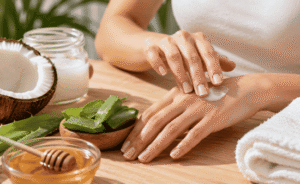
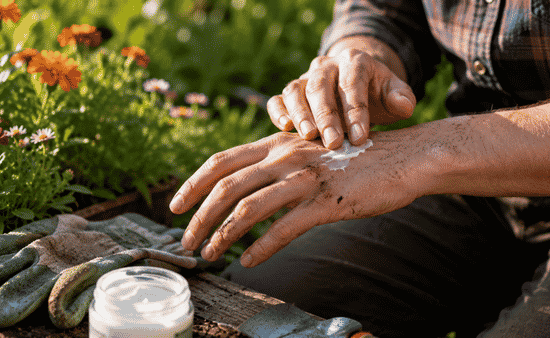
Dry skin absorbs dirt more easily and tends to crack under pressure. Applying a thick layer of petroleum jelly, protective salve, or rich hand cream before gardening helps create a moisture barrier.
Many experienced gardeners rely on this technique because it reduces irritation and keeps skin softer throughout the day. The moisturizer also helps prevent dirt from becoming deeply embedded in rough patches.
Don’t Forget Sun Protection
Hands receive significant sun exposure during outdoor work, yet they are often overlooked when applying sunscreen. A broad-spectrum, water-resistant sunscreen helps protect against premature aging, sun spots, and UV damage.
Apply sunscreen to the backs of your hands, fingers, and wrists before gardening. Reapply if you spend extended periods outdoors, especially during warmer months.
While You Garden
Protecting your hands during gardening is just as important as preparing them beforehand. Smart habits can significantly reduce wear and tear. Many of the same principles also apply when you protect your hands while cleaning every day, as regular exposure to water, cleaning products, dirt, and repetitive tasks can contribute to dryness, irritation, and premature skin damage over time.
Wear The Right Gloves
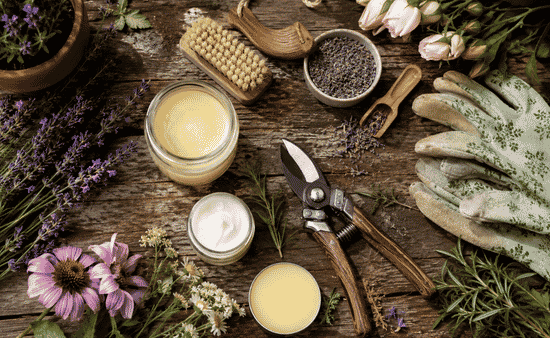
Different gardening jobs require different levels of protection. Heavy-duty leather or canvas gloves work best for pruning, hauling materials, and handling thorny plants. Lightweight nitrile-coated gloves provide flexibility for planting and weeding.
Proper gloves protect against cuts, splinters, fertilizers, allergens, and abrasive surfaces. Choosing the right pair for each task helps improve both comfort and safety.
Prevent Repetitive Strain
Gardening often involves repeating the same movements for long periods. Constant gripping, twisting, and squeezing can place stress on fingers, wrists, and forearms.
Switch between gardening tasks regularly to give different muscles a chance to rest. Taking short breaks every 30 minutes helps reduce stiffness, discomfort, and long-term strain.
Choose Ergonomic Tools
Traditional gardening tools can place unnecessary pressure on joints and muscles. Ergonomic designs help distribute force more evenly and reduce fatigue.
Ratchet-style pruners are especially useful because they require less hand strength when cutting branches. Comfortable handles and lightweight tools also improve control and reduce stress on the hands.
Hand Care Tips For Gardeners After Gardening
The work does not end when the tools are put away. Recovery is where healthy skin and nails are truly maintained.
Cleanse Without Overdrying
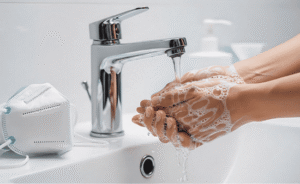
After gardening, wash your hands using a gentle, fragrance-free cleanser. Harsh soaps can strip away natural oils and leave skin feeling tight and irritated.
Lukewarm water is often better than hot water because it cleans effectively without worsening dryness. Pat your hands dry instead of rubbing aggressively with a towel.
Remove Stubborn Garden Stains
Certain plants can leave noticeable stains on fingers and nails. Green tomato vines, for example, may leave a slight tint on the skin after handling.
A surprising solution is fresh green tomato juice. Gently rubbing it onto stained areas for several minutes may help lift discoloration naturally while remaining gentle on the skin.
Repair Skin Overnight
Gardening can leave skin dehydrated, rough, and vulnerable to cracking. Before bed, apply a thick therapeutic balm or reparative ointment to your hands.
Wearing lightweight cotton gloves overnight helps lock in moisture and allows the product to work more effectively. This simple habit can transform severely dry hands within a few nights.
Keep Nails Strong And Healthy
Healthy nails are an important part of overall hand health. Constant exposure to soil and water can weaken nails over time.
Trim nails regularly to reduce dirt buildup and lower the risk of accidental breaks. Shorter nails are also easier to clean after gardening sessions.
Applying cuticle oil or a nourishing hand cream daily helps maintain flexibility and prevents nails from becoming brittle or splitting.
Watch Out For Garden Skin Hazards
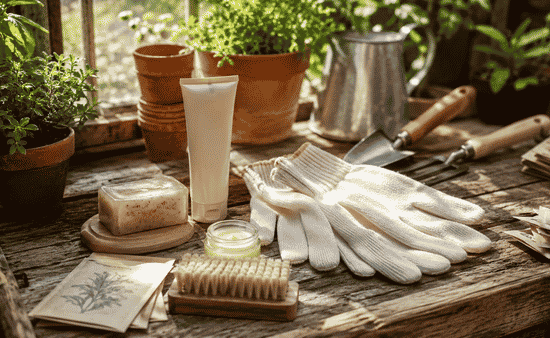
Not every gardening problem comes from dirt. Some plants, fertilizers, and environmental factors can affect skin health in unexpected ways.
Rose thorns, fertilizer residues, and certain plant oils may trigger irritation or allergic reactions. Wearing gloves and washing exposed skin promptly can help reduce these risks.
Persistent redness, itching, swelling, or cracking may indicate contact dermatitis or another skin condition. Seeking professional advice early can prevent symptoms from worsening.
Support Your Hands Beyond Skin Care
Strong hands need more than moisturizer. Gardening places physical demands on muscles, tendons, and joints throughout the hands and wrists.
Simple stretching exercises can improve flexibility and reduce stiffness after long gardening sessions. Gentle finger stretches and wrist rotations are particularly helpful.
Gardeners who experience arthritis or recurring hand pain may benefit from ergonomic tools, task rotation, and regular breaks to reduce unnecessary strain.
Hand Care Tips For Gardeners In Everyday Life
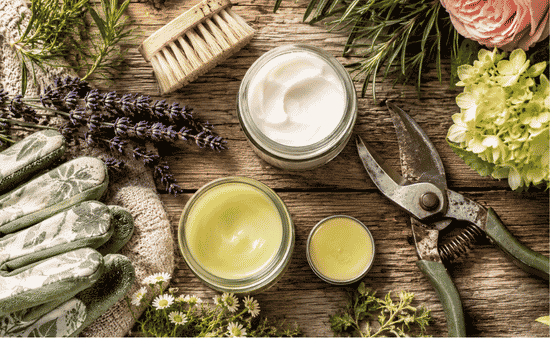
The best hand care tips for gardeners are often the simplest. Prepare your hands before gardening by keeping your nails healthy, moisturizing your skin, and applying sunscreen. Wear task-specific gloves and rotate activities to avoid strain while working outdoors.
After gardening, cleanse gently, treat stains carefully, and replenish lost moisture immediately. Following these steps consistently can keep your hands healthy throughout every season and every gardening project.
Frequently Asked Questions
1. What Is The 70/30 Rule In Gardening?
The 70/30 rule suggests spending about 70 percent of your gardening time maintaining healthy plants and 30 percent experimenting with new varieties, layouts, or gardening techniques.
2. How To Protect Hands While Gardening?
The best way to protect hands while gardening is to wear proper gloves, apply moisturizer and sunscreen beforehand, keep nails short, and take regular breaks to reduce strain.
3. What Is The 3-Hour Gardening Rule?
The 3-hour gardening rule encourages gardeners to avoid continuous physical work for more than three hours without meaningful rest, stretching, hydration, and movement breaks.
4. What Is The Best Hand Cream For Gardeners Hands?
The best hand cream for gardeners contains ingredients such as glycerin, ceramides, shea butter, or petrolatum that help restore moisture and strengthen the skin barrier.
Give Your Hands The Garden Love They Deserve
Beautiful gardens begin with healthy hands. Following these hand care tips for gardeners can help prevent cracked skin, sore joints, nail damage, and everyday discomfort caused by outdoor work.
From preparing your hands before gardening to repairing them afterward, every small habit adds up. Make hand care part of your gardening routine and your hands will stay as healthy, productive, and resilient as the plants you nurture.