Chemical Safety Guide for Safer US Workplaces
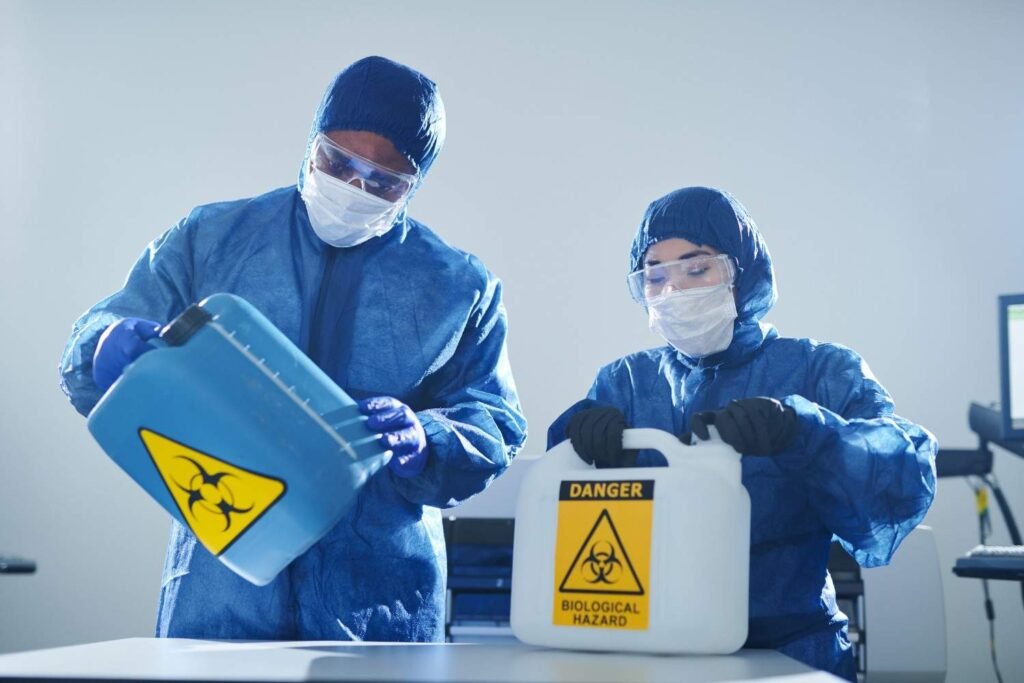
Chemical safety is not only a lab or factory concern. It is a daily protection system that helps prevent burns, breathing problems, fires, spills, chronic illness, and sudden workplace accidents.
In the United States, chemical safety rules in the workplace connect closely to OSHA’s Hazard Communication Standard, which requires employers to communicate hazards through labels, Safety Data Sheets, training, and a written HazCom program.
International systems such as the UK’s COSHH follow a similar prevention mindset, but this guide focuses on US workplaces and OSHA-aligned best practices.
What Should Employees Check Before Handling Chemicals?
Before anyone opens, pours, sprays, or transfers a chemical, they should understand the risk. Start with the Safety Data Sheet, or SDS. A full SDS has 16 sections covering hazards, first aid, fire response, accidental release steps, handling, storage, exposure controls, PPE, stability, toxicology, disposal, and transport information.
Employees should also verify every container label and include chemical risks in a workplace hazard identification checklist.
A proper label should identify the chemical and show clear GHS warnings, such as flammable, corrosive, toxic, reactive, or health hazard symbols. If a drum, bottle, bucket, jar, or secondary spray container has no label, workers should stop and report it instead of guessing.
How Does OSHA Hazard Communication Protect Workers?

OSHA’s Hazard Communication Standard gives employees the right to know and understand the chemical hazards they face. Employers should maintain a chemical inventory, keep SDS documents accessible, label containers correctly, train workers, and explain safe procedures in language employees understand.
This matters because common workplace chemicals can create serious health or physical hazards when misused. Industrial cleaners, solvents, disinfectants, acids, bases, adhesives, paints, fuels, and gases all need clear handling rules.
What PPE Is Needed for Chemical Safety?
PPE should match the chemical and the task. Depending on the SDS and workplace procedure, employees may need chemical-resistant gloves, splash goggles, face shields, aprons, respirators, protective footwear, or full protective clothing. I would never choose gloves or eye protection based only on habit because one product may need stronger protection than another.
PPE matters, but it should not be the only safety control. Safer substitutes, closed containers, splash guards, local exhaust ventilation, fume hoods, and written procedures should reduce exposure before workers rely on PPE. If vapors, mist, or dust may be released, employees should work in a controlled, well-ventilated area.
How Should Chemicals Be Poured, Mixed, and Used?

Safe handling starts with following the approved procedure exactly. Employees should never mix chemicals unless the SDS, label, or written workplace instruction clearly allows it. Dangerous reactions often happen when workers combine cleaning products, a chemical disinfectant, acids, bases, oxidizers, or solvents without checking compatibility.
When dilution is required, workers must follow the SDS. For many concentrated acids and similar chemicals, the safer method is to slowly add the chemical to water, never water into the concentrated chemical, because heat, boiling, or sudden splashing can occur. Food, drinks, smoking, and cosmetics should never enter chemical areas.
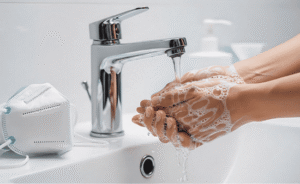
Employees should wash their hands and exposed arms after chemical work, before breaks, and before leaving.
What Emergency Steps Should Be Ready Before Work Starts?
Employees should know the exact location of eyewash stations, safety showers, fire extinguishers, first aid supplies, alarms, exits, and spill kits before starting chemical tasks. Emergency equipment should stay visible, accessible, inspected, and free from clutter.
Spill response should be clear. Employees should only handle cleanups within their training level and only when the chemical, quantity, and exposure risk match the workplace procedure.
If the spill is too large, unknown, highly toxic, flammable, or outside the worker’s training, isolate the area, alert others, and contact emergency or EHS personnel. High-hazard procedures should not be done alone.
What Are the Best Rules for Chemical Storage?

Disciplined storage is one of the most important parts of chemical safety rules in the workplace because poor storage can create leaks, reactions, fires, and exposure risks even when products are not being used.
Chemicals should be stored by compatibility, not convenience. Acids should stay away from bases, flammables should stay away from oxidizers, and reactive substances should follow SDS-specific storage instructions.
Containers should remain closed, upright, clearly labeled, and stored in approved original containers whenever possible. Heavy or hazardous containers should sit securely on lower shelves to reduce drop and splash risks.
Secondary containment trays can help capture leaks before they spread. Work areas should only keep the minimum amount needed for the immediate task, while extra stock should remain in the correct cabinet or designated chemical area.
How Should Chemical Waste Be Disposed of Safely?
Chemical disposal should never be treated like regular trash or wastewater unless the SDS and workplace procedure clearly allow it. Employees should not pour hazardous remnants into domestic sinks, floor drains, toilets, or outdoor areas. Waste should go into dedicated, sealed, compatible, and clearly labeled collection containers.
A good disposal process protects workers, plumbing systems, the environment, and the business while reducing the impacts of hazardous waste. Supervisors should train employees on what counts as chemical waste, where it goes, and who is authorized to remove it.
Frequently Asked Questions (FAQs)
1. What should I do before using a workplace chemical?
Read the label, review the SDS, confirm PPE, check ventilation, and locate emergency equipment.
2. Why are SDS documents important?
SDS documents explain hazards, PPE, first aid, spill response, storage, exposure controls, and disposal steps.
3. Can employees clean up every chemical spill?
No. Employees should only clean spills they are trained and equipped to handle.
4. What is the safest way to store chemicals?
Store chemicals in labeled, compatible, approved containers with secure shelving and secondary containment when needed.
Conclusion
The best chemical safety rules in the workplace are simple to understand but must be followed consistently. Read the SDS (Safety Data Sheet), respect labels, wear the right PPE, control ventilation, avoid unsafe mixing, prepare for spills, store chemicals by compatibility, and dispose of waste correctly.
When US workplaces combine OSHA-aligned training with daily discipline, they protect employees from injuries, long-term health risks, and preventable accidents.