The Hidden Risks of Moisture Associated Skin Damage
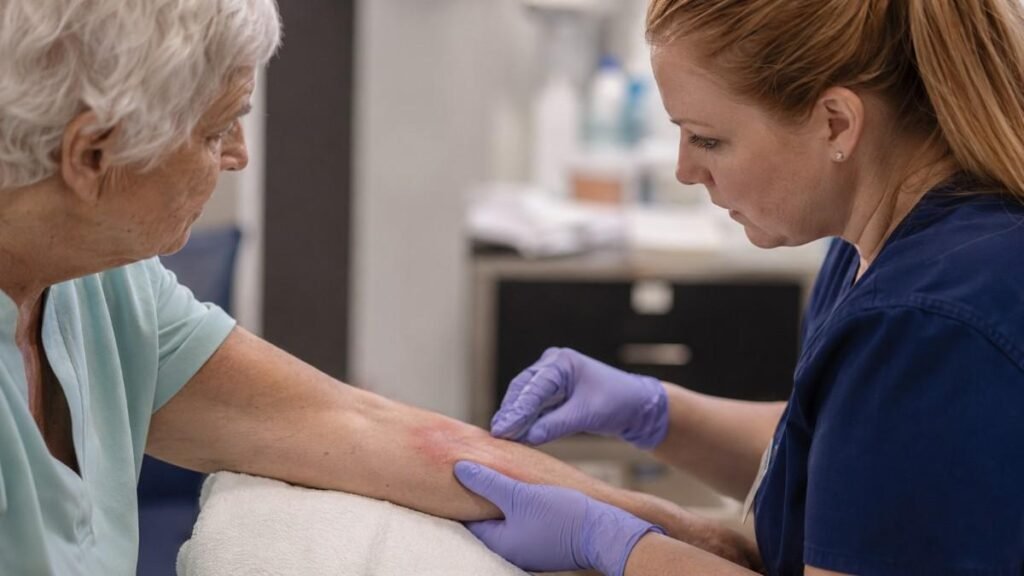
Helping a loved one recover from a wound can reveal how fragile the skin barrier really is. What often starts as mild redness or irritation may develop into moisture associated skin damage, a condition that affects thousands of patients in hospitals, nursing facilities, and home care settings. Understanding how it develops, what it looks like, and how to prevent it can make a significant difference in skin health and healing outcomes.
Key Takeaways
- Moisture associated skin damage develops when skin remains exposed to moisture for extended periods.
- The condition includes four distinct types linked to different moisture sources.
- Early intervention helps prevent infection, discomfort, and delayed healing.
- Skin barriers and moisture control are essential prevention strategies.
- MASD differs from pressure injuries and requires a separate treatment approach.
What Is Moisture Associated Skin Damage?
Moisture Associated Skin Damage (MASD) is an umbrella term used to describe inflammation and skin erosion caused by prolonged exposure to bodily fluids, sweat, saliva, wound drainage, urine, or stool. Excessive moisture weakens the skin’s natural protective barrier, making it vulnerable to friction, irritation, and infection.
Healthy skin functions as a shield against bacteria and environmental threats. However, constant moisture changes the skin’s pH balance and softens the outer layer. As the barrier weakens, even minor rubbing or chemical exposure can trigger visible damage.
MASD is common among older adults, people with mobility limitations, individuals with chronic wounds, and patients managing incontinence or ostomies. Recognizing the condition early can help prevent complications and improve comfort.
How Moisture Triggers Skin Damage
Knowing the science behind MASD makes prevention easier.
The Skin Barrier Starts To Weaken
The outer layer of skin contains natural oils and protective cells that keep harmful substances out. Continuous moisture exposure softens this layer through a process called skin maceration.
Once the skin becomes overhydrated, it loses strength and becomes more vulnerable to friction. Everyday movement can then create irritation and inflammation.
Irritants Make The Problem Worse
Urine, stool, wound exudate, and digestive enzymes contain substances that can damage skin tissue.
These chemical irritants increase inflammation and accelerate breakdown, especially when moisture remains trapped against the skin for extended periods.
Infection Becomes A Risk
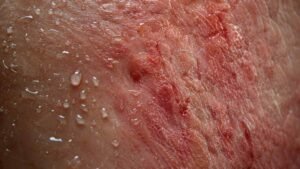
Damaged skin creates an ideal environment for bacteria and fungi. Without proper management, MASD can progress from mild irritation to painful infections that complicate recovery and healing.
The Four Most Common Types Of MASD
Each type develops from a specific source of moisture.
Incontinence-Associated Dermatitis (IAD)
IAD occurs when the skin remains exposed to urine, stool, or both. The groin, buttocks, thighs, and surrounding areas are most commonly affected.
The alkaline nature of urine and digestive enzymes found in stool disrupt the skin’s natural acidic barrier, leading to redness, soreness, and skin erosion.
Intertriginous Dermatitis (ITD)
Intertriginous dermatitis, often called intertrigo, develops in skin folds where sweat becomes trapped.
Areas beneath the breasts, within abdominal folds, under the arms, and around the groin are especially vulnerable. Friction combined with perspiration creates an environment that encourages inflammation and irritation.
Periwound MASD
Periwound MASD affects the skin surrounding a wound. When wound drainage exceeds the absorbent capacity of dressings, surrounding tissue becomes saturated. Prolonged exposure to wound exudate can cause maceration and increase the risk of wound enlargement.
Peristomal MASD
Peristomal MASD develops around a stoma such as a colostomy or urostomy. Leakage beneath the ostomy barrier exposes skin to digestive fluids, causing inflammation, tenderness, and breakdown around the stoma site.
Signs And Symptoms To Watch For
Early recognition allows faster treatment and better outcomes.
Visible Changes In Skin
The affected skin often appears red, shiny, moist, or inflamed. Unlike pressure injuries, the borders are usually irregular and less defined. Some areas may look softened or waterlogged due to prolonged moisture exposure.
Sensations That Signal Trouble
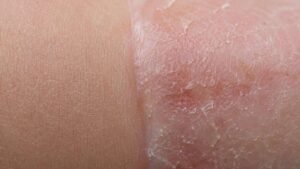
Individuals frequently report burning, itching, tenderness, or discomfort. These symptoms may appear before significant skin breakdown becomes visible, making them important warning signs.
Advanced Skin Breakdown
Without intervention, MASD can progress to skin erosion, weeping tissue, or partial-thickness skin loss. The longer moisture remains uncontrolled, the greater the risk of complications.
Smart Ways To Prevent MASD
Prevention focuses on controlling moisture and protecting the skin.
Choose Gentle Cleansing Methods
Harsh soaps remove natural oils and disrupt the skin’s protective barrier. Instead, use pH-balanced, no-rinse cleansers with warm water and soft cloths. Gentle cleansing helps maintain healthy skin while removing irritants.
Strengthen Skin Defenses
Barrier creams and zinc oxide ointments provide a protective layer between the skin and moisture.
For patients with ostomies, specialized barrier powders and protective wipes may help reduce irritation and leakage-related damage.
Control Excess Moisture
Managing moisture sources is essential for long-term protection. Moisture-wicking textiles can help reduce sweat accumulation in skin folds. For wound management, highly absorbent dressings should be used and changed before leakage occurs.
Moisture Associated Skin Damage In Real Life
Small daily habits often prevent major skin problems.
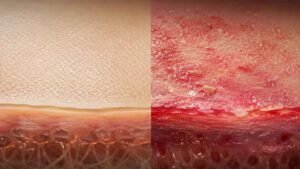
Start by checking vulnerable areas every day, especially skin folds, wound edges, and regions exposed to bodily fluids. Early redness should never be ignored because prompt action often prevents progression.
After cleansing, gently pat the skin dry instead of rubbing. Apply barrier products consistently and replace wet to dry dressings, or protective materials as soon as possible.
For caregivers, maintaining a regular skin assessment routine creates opportunities to identify concerns before they become difficult to manage. These simple habits can significantly reduce the risk of moisture associated skin damage.
MASD Vs Pressure Injuries
| Feature | Moisture Associated Skin Damage (MASD) | Pressure Injury |
| Primary Cause | Prolonged exposure to moisture and chemical irritants | Unrelieved pressure, shear, or friction |
| Location | Skin folds and moisture-exposed areas | Usually over bony prominences |
| Appearance | Irregular, red, moist, macerated skin | Defined edges with staged tissue damage |
| Borders | Diffuse and uneven | Sharply demarcated |
| Symptoms | Burning, itching, tenderness | Pain or loss of sensation |
| Main Treatment | Moisture control and skin protection | Pressure relief and wound management |
Treatment Approaches That Work
Successful management requires addressing both the cause and the damage.
Stop The Moisture Source
The first step is identifying where excess moisture originates. Managing incontinence, controlling wound drainage, reducing perspiration, or improving ostomy fit can prevent ongoing exposure.
Support Skin Recovery
Protective dressings and moisture barriers help create an environment where damaged skin can heal. Treatment plans should be individualized based on the type and severity of MASD.
Prevent Secondary Complications
Skin weakened by moisture becomes more susceptible to bacterial and fungal infections. Regular monitoring allows healthcare providers to address complications before they become severe.
Frequently Asked Questions
1. What are the 4 types of moisture associated skin damage?
The four types of moisture associated skin damage are incontinence-associated dermatitis, intertriginous dermatitis, periwound MASD, and peristomal MASD. Each develops from a different source of moisture and requires targeted prevention strategies.
2. How do you treat moisture-associated skin damage?
Treatment involves eliminating the moisture source, cleansing the skin gently, applying barrier creams, managing wound drainage, and protecting the affected area from further irritation and friction.
3. What does moisture-associated skin damage look like?
It usually appears as red, inflamed, moist, or softened skin with irregular edges. In severe cases, skin erosion, maceration, and partial-thickness tissue loss may occur.
4. What is the medical term for moisture damage?
The medical term is moisture associated skin damage, often abbreviated as MASD. It refers to skin inflammation and erosion caused by prolonged exposure to moisture and irritants.
Keep Skin Happy And Healthy
Moisture associated skin damage may not receive as much attention as wounds or pressure injuries, yet its impact on comfort, healing, and quality of life is significant. By understanding the causes, recognizing the four main types.
And following proven prevention and treatment strategies, individuals and caregivers can protect vulnerable skin and reduce complications. Consistent moisture control remains the most effective defense against moisture associated skin damage and its long-term effects.