How to Protect Your Hands While Cleaning Every Day

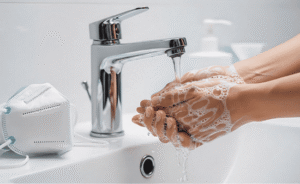
Hand irritation was just part of keeping a clean home. After washing dishes, wiping counters, scrubbing bathrooms, and handling laundry products, my hands would feel tight, rough, and sometimes sore. That is when I realized that cleaning every day does not have to mean damaging my skin every day. Learning How to Protect Your Hands While Cleaning Every Day is really about building small habits before, during, and after each cleaning task.
Daily cleaning exposes your hands to water, soap, detergent, disinfectants, friction, and repeated drying. Over time, that can weaken the skin barrier, strip away natural oils, irritate cuticles, and make nails brittle. The good news is that hand protection does not require a complicated routine. With the right gloves, gentle products, smart washing habits, and regular moisturizing, your hands can stay clean, soft, and comfortable.
Why Cleaning Can Be Hard on Your Hands
Your hands do more work than almost any other part of your body during daily chores. They touch dish soap, floor cleaners, bathroom sprays, laundry detergent, dust, food residue, and constant running water. Even mild products can become irritating when used many times a day.
The biggest problem is repeated wet work. When hands are soaked, washed, dried, and exposed to cleaning products again and again, the outer layer of skin loses moisture. Hot water can make this worse because it removes natural oils faster. Strong fragrances, harsh degreasers, alcohol-based products, and bleach-based cleaners can also leave skin feeling dry or sensitive.
This is why hand protection should start before irritation appears. Once cracks, peeling, redness, or burning begin, it takes longer to repair the skin barrier. A simple daily routine can prevent most of that damage before it starts.
Wear the Right Gloves Before Cleaning
Gloves are one of the easiest ways to protect your hands from water, grime, and cleaning chemicals. For everyday dishwashing, reusable dishwashing gloves work well because they reduce direct contact with soap and hot water. For stronger cleaners, disposable nitrile gloves may be a better choice because they offer a snug fit and good protection for short tasks.
The fit matters more than many people realize. Gloves that are too tight can trap sweat and cause discomfort, while gloves that are too loose can make it harder to grip wet dishes, brushes, or spray bottles. If your hands sweat inside gloves, cotton glove liners can help absorb moisture and reduce friction.
After cleaning, rinse reusable gloves, turn them inside out when needed, and let them dry completely. Wearing damp gloves again can irritate skin and make hands feel worse. Keep separate gloves for dishes, bathroom cleaning, and stronger household tasks so you are not spreading residue from one area to another.
Choose Gentler Soaps and Cleaning Products
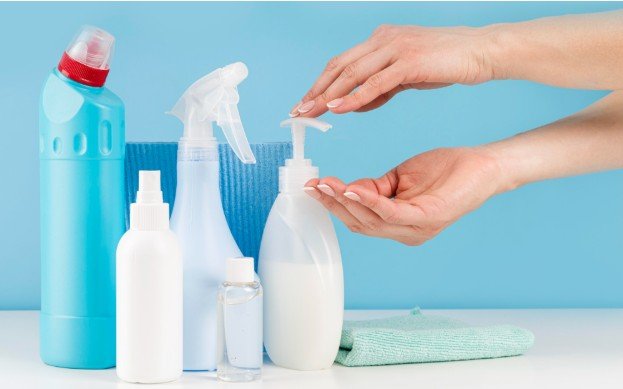
Many people focus only on what touches the floor, sink, or counter, but forget what touches their skin. If your hands feel dry after every cleaning session, your soap or cleaner may be too harsh for frequent use.
For handwashing, choose mild soap when possible. Fragrance-free options are often better for sensitive skin because added scents can trigger irritation. For household cleaning, use products as directed and avoid using more than needed. More product does not always mean better cleaning. It can simply leave more residue on surfaces and increase exposure to your skin.
Never mix cleaning products. Combining certain cleaners can create dangerous fumes and increase the risk of skin, eye, and breathing irritation. Good ventilation also matters. Open a window, turn on a fan, or keep the room airy when using strong cleaners.
Avoid Hot Water and Long Wet Work
Hot water may feel like it cleans better, but it can be tough on your hands. Warm or lukewarm water is usually enough for most daily cleaning and handwashing tasks. The goal is to clean effectively without stripping the skin.
Try not to leave your hands wet for long periods. If you are washing dishes, cleaning counters, and rinsing cloths, wear gloves instead of repeatedly dipping bare hands into water. When you finish washing your hands, pat them dry instead of rubbing aggressively with a towel. Rubbing can cause tiny friction damage, especially if your skin is already dry.
Small changes like lowering the water temperature and drying gently can make a noticeable difference when repeated every day.
Moisturize After Every Cleaning Task
Moisturizing is not just for soft hands. It helps repair and protect the skin barrier. The best time to apply hand cream is right after washing or cleaning, while the skin is clean and slightly damp.
Choose a thick cream or ointment rather than a thin, watery lotion if your hands are very dry. Ingredients like glycerin, petrolatum, shea butter, ceramides, or dimethicone can help seal in moisture and reduce roughness. Keep hand cream near the kitchen sink, bathroom sink, laundry area, and bedside table so it becomes part of your routine.
If your hands feel greasy after applying cream, use a smaller amount during the day and save heavier products for nighttime. Consistency matters more than using a large amount once in a while.
Protect Nails, Cuticles, and Rings
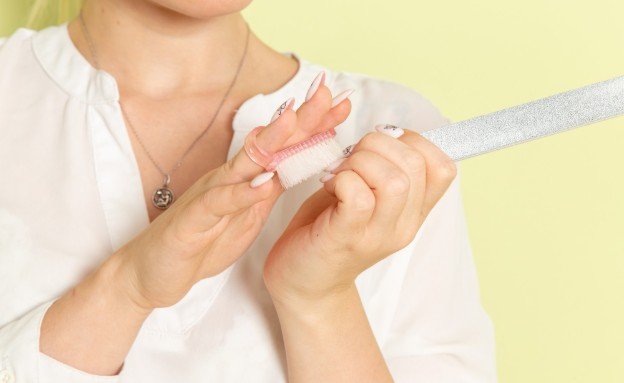
Hand protection is not only about the skin on your palms. Nails and cuticles also suffer from daily cleaning. Water exposure can make nails soft and weak, while detergents can dry out cuticles and cause peeling.
Before doing heavy chores, remove rings if possible. Soap, water, and cleaner residue can get trapped under jewelry and irritate the skin. Dry the area between your fingers carefully after washing, since moisture often stays there longer.
Cuticle oil or a small amount of hand cream rubbed around the nails can help reduce dryness. Keep nails trimmed to a practical length if you clean often, because longer nails can collect residue and break more easily during scrubbing.
Build a Simple Before, During, and After Routine
Before cleaning, remove rings, choose the right gloves, and check whether the product needs ventilation. During cleaning, avoid hot water, keep gloves on for wet or chemical tasks, and do not touch your face or eyes. After cleaning, rinse hands if needed, dry gently, and apply hand cream.
This routine sounds simple, but that is why it works. It turns hand care into a habit instead of something you only think about after your hands already hurt.
Use Night Care for Dry or Cracked Hands
Nighttime is the best time to repair hands because you are not washing them every few minutes. Before bed, apply a thicker cream or ointment. If your hands are extremely dry, wear soft cotton gloves after moisturizing to help the product stay in place longer.
Avoid scratching or peeling dry skin around the fingers. It can create small openings that become painful when exposed to soap or cleaners the next day. If cracks appear, keep them clean and protected. A consistent night routine can make hands feel smoother within a few days.
When Hand Irritation Needs Attention
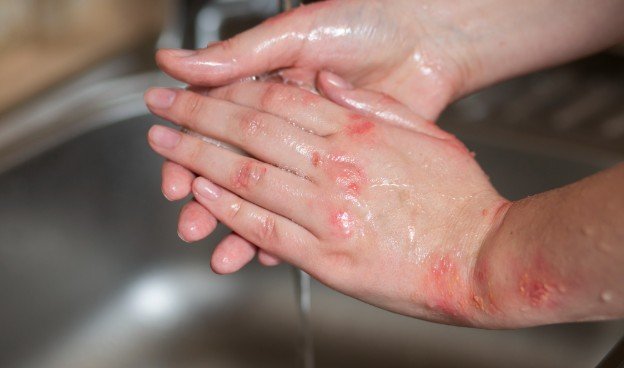
Occasional dryness is common, but ongoing irritation should not be ignored. If your hands burn, bleed, crack deeply, swell, or develop a rash that does not improve, it may be more than simple dryness. Frequent cleaning can trigger or worsen contact dermatitis or hand eczema in some people.
In that case, it is better to get professional advice instead of trying random products. The right treatment can prevent the problem from becoming worse and help you continue daily cleaning without constant discomfort.
Frequently Asked Questions
1. What is the easiest way to prevent dry hands from cleaning?
Wear gloves for wet chores, use lukewarm water, dry hands gently, and apply hand cream after every cleaning session.
2. Should I wear gloves every time I wash dishes?
Yes, especially if you wash dishes daily. Gloves reduce contact with dish soap, grease, hot water, and food residue.
3. Can cleaning products cause cracked hands?
Yes. Frequent exposure to detergents, disinfectants, fragrances, and hot water can weaken the skin barrier and lead to cracking.
4. How to Protect Your Hands While Cleaning Every Day if you have sensitive skin?
Use fragrance-free soap, wear well-fitted gloves, avoid harsh cleaners when possible, moisturize often, and use cotton liners if gloves make your hands sweaty.
Final Thoughts
I now see hand care as part of cleaning, not something separate from it. A clean home should not come at the cost of dry, painful, irritated hands. When I use gloves, avoid hot water, choose gentler products, and moisturize after chores, my hands feel much better even after a full day of cleaning.
The best routine is the one you can repeat without thinking too much. Start with one habit, like keeping gloves near the sink or placing hand cream where you wash most often. Over time, these small steps make everyday cleaning easier on your skin and help your hands stay protected, comfortable, and healthy.