Hand Protection Guide: Choose the Right Work Gloves
Hand protection can be the difference between finishing a task safely and dealing with a cut, burn, puncture, or long-term skin problem. I have seen people grab “any glove nearby” and assume it is enough. That mistake usually happens because gloves look similar, even when they protect against completely different hazards.
The right glove is not the thickest one. It is the one matched to the job. A glove that protects against sharp sheet metal may fail against wet concrete. A chemical glove may be too bulky for precision work. A soft cotton glove may keep dirt off your skin but will not stop a blade, solvent, or falling brick.
Why Hand Protection Starts With the Hazard
I always start with one question: what can hurt the hand first?
Hand injuries come from cuts, abrasions, punctures, impact, vibration, heat, chemicals, biological exposure, and sunlight. Each hazard needs a different material. That is why hand protection is not just about buying gloves. It is about matching PPE to the task, the worksite, and the time your hands will stay exposed.
For light work, basic gloves may be enough. For construction, manufacturing, masonry, welding, lab work, landscaping, or chemical handling, you need rated protection. In jobsite conditions, small errors add up fast. A loose glove can snag. A soaked glove can trap chemicals. A thin glove can tear when handling metal edges.
My practical rule is simple: choose gloves by hazard first, comfort second, and price third. Cheap gloves become expensive when they fail.
Common Types of Hand Protection and When to Use Them
Hand protection includes gloves, finger guards, mitts, sleeves, and arm covers. Most people focus only on gloves, but sleeves matter when sparks, chemicals, sun, or sharp materials reach past the wrist.
Fabric, Cotton, and Coated Work Gloves
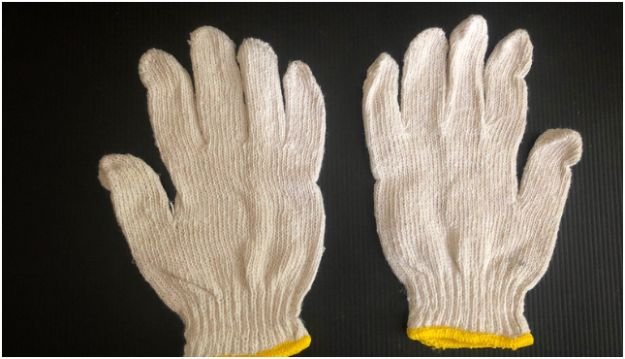
Fabric and cotton gloves work well for clean, low-risk tasks. They help prevent dirt, chafing, and minor abrasions. I would use them for light handling, dry packing, simple yard work, or keeping hands clean during low-hazard tasks.
Coated fabric gloves add more function. A cotton or knit base dipped in nitrile, latex, polyurethane, or PVC gives better grip and some resistance to punctures, oils, and mild chemicals. These gloves are useful when dexterity matters. They also help when tools or materials are wet, oily, or dusty.
Still, coated gloves are not magic. A thin palm coating does not replace a true chemical barrier glove. It also does not guarantee high cut protection unless the glove carries a clear cut rating.
Leather, Canvas, and Heavy-Duty Construction Gloves
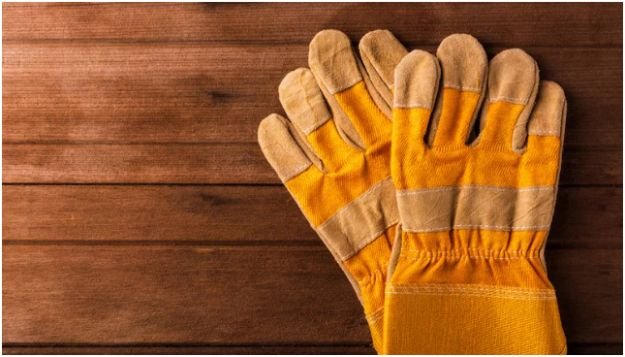
Leather and canvas gloves are jobsite classics because they handle friction, sparks, rough lumber, and moderate heat better than light fabric gloves. Cowhide and goat grain leather are common choices. Cowhide feels rugged and protective. Goat grain leather often gives better flexibility.
I like leather gloves for hauling lumber, moving masonry units, handling rough metal, or working near sparks. They offer reliable abrasion protection, but they are not ideal for wet chemicals. Leather can absorb liquids and hold hazardous substances against the skin.
For construction hand protection, leather works best when the risk is friction, rough surfaces, splinters, or sparks. It is not the right answer for wet cement, masonry cleaners, solvents, or epoxies.
Cut-Resistant Gloves for Sharp Materials
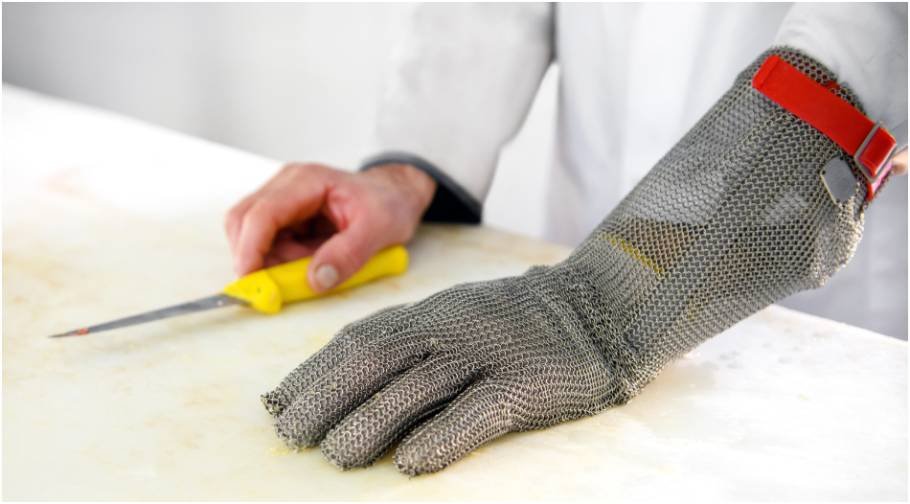
When sharp edges enter the picture, standard utility gloves are not enough. Cut-resistant gloves use engineered fibers such as Kevlar, HPPE, glass fiber, or steel mesh. These materials help protect against sheet metal, glass, tile, blades, nails, screws, and sharp tool edges.
The key is the ANSI cut level. For construction-grade sharp objects, I would not choose a glove unless the cut rating is clear. ANSI A4 is a practical starting point for many medium-heavy tasks, including carpentry, light glass handling, and contact with screws or nails. ANSI A5 to A6 suits higher-risk work like framing, sheet metal handling, freshly cut tile, or stone. ANSI A7 to A9 belongs in extreme-risk settings such as demolition, recycling, heavy metal stamping, or work near exposed blades.
A useful jobsite example: if I were moving smooth lumber, I might choose leather. If I were handling freshly cut metal studs, I would switch to a cut-rated glove. The task changed, so the glove changed.
Chemical Barrier Gloves for Wet Cement and Solvents
Chemical work needs a different mindset. Cut-resistant fabric gloves can absorb liquids. Leather can do the same. Once wet cement, solvent, epoxy, sealant, or corrosive cleaner soaks in, the glove can trap the hazard directly against your skin.
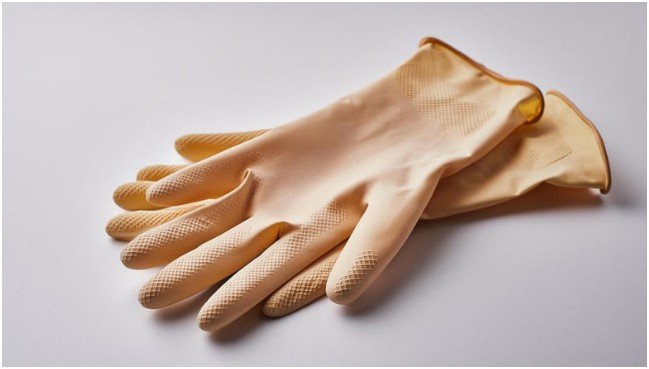
For chemical hand protection, use liquid-proof barrier gloves made from materials such as nitrile, PVC, neoprene, butyl, or rubber. The right material depends on the chemical. Nitrile often works well for oils, greases, some solvents, and petroleum products. PVC can handle many acids, caustics, and abrasive wet mixtures. Neoprene and butyl may be needed for other chemicals.
Wet cement deserves special attention. It may contain hexavalent chromium and can cause dermatitis, burns, and skin ulcers. That is why waterproof gloves, longer cuffs, and clean removal habits matter on concrete jobs.
Examples of high-protection chemical glove styles include Ansell AlphaTec nitrile gloves, Showa PVC-coated gloves, and Honeywell North Chemsoft nitrile gloves. The brand matters less than the material, thickness, cuff length, grip, and chemical compatibility.
UV Sleeves and Outdoor Hand Protection
Not every hand hazard comes from tools or chemicals. Drivers, cyclists, landscapers, roofers, and outdoor workers face long sun exposure. UV sleeves and sun protection arm covers help reduce direct exposure on the hands, wrists, and forearms.
I like lightweight sleeves with thumbholes because they stay in place better. They also protect the wrist gap that gloves often miss. For outdoor sports or work, breathable fabric helps prevent overheating while still blocking harsh sunlight.
Construction Hand Protection: What I Check First
Construction work is hard on hands. It combines impact, friction, sharp edges, vibration, dust, wet materials, and chemicals. That is why one pair of gloves rarely covers the whole day.
Impact, Vibration, and Grip Risks
Impact-resistant gloves use rubber or thermoplastic rubber molding across the knuckles and fingers. This back-of-hand protection helps absorb blows from tools, falling materials, and tight workspaces.
Anti-vibration gloves use padded gel or foam in the palms. They help reduce repetitive shock from jackhammers, pneumatic drills, grinders, and heavy equipment. They do not eliminate vibration exposure, but they can reduce fatigue during repeated tool use.
Grip matters too. Coated grip gloves with nitrile or polyurethane palms help when handling wet tools, oily parts, muddy materials, or smooth surfaces. On a busy site, dropping a tool can injure more than your own hand.
ANSI Cut Levels for Sharp Objects
I treat ANSI cut ratings like a shortcut for smarter decisions. A1 to A3 works for light scrape risks. A4 to A6 fits many construction and metal handling tasks. A7 to A9 is for severe cut hazards.
For everyday construction, A4 may work for medium-heavy risks. A5 or A6 is safer when handling sheet metal, framing materials, glass, tile, and sharp edges. A7 to A9 should be reserved for extreme exposure because those gloves can be thicker and less flexible.
The best glove is not always the highest level. It is the safest level that still allows control. If the glove is so bulky that you lose grip or dexterity, it can create another hazard.
Chemical Risks That Fabric Gloves Cannot Handle
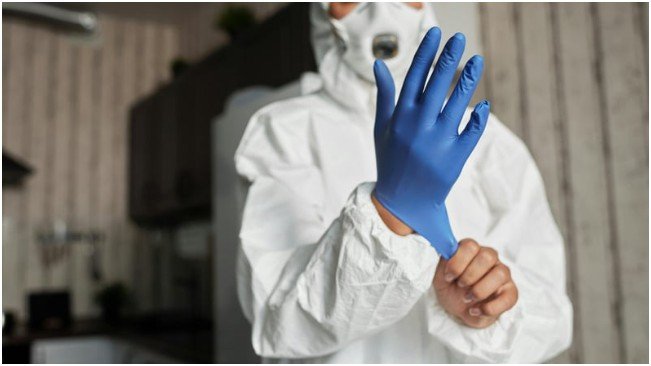
When the job involves wet concrete, mortar, grout, epoxies, solvents, sealants, paint thinners, or masonry cleaners, switch to chemical barrier gloves. Do not trust cotton, fabric, or leather gloves around liquids that can burn, irritate, or absorb into skin.
The Safety Data Sheet should guide the choice. Section 8 usually identifies PPE and glove material recommendations. I always check that section before assuming nitrile, PVC, neoprene, or butyl is enough.
Cuff length also matters. A 12-inch or longer cuff protects the wrist and forearm from splashes when mixing, pouring, or cleaning. For wet cement, sleeves should overlap gloves so liquid cannot run inside.
How to Choose the Right Safety Gloves
The fastest way to choose better gloves is to use a three-step check.
First, identify the main hazard. Is it cut, impact, abrasion, heat, chemical, vibration, puncture, biological exposure, or sunlight?
Second, match the material and rating. For sharp materials, check ANSI/ISEA 105 cut levels. For impact risks, look for ANSI/ISEA 138 impact classification. For chemical work, match the glove material to the Safety Data Sheet. For European-marked gloves, EN 388 shows abrasion, blade cut, tear, and puncture performance.
Third, test the fit. A glove should feel secure without restricting blood flow. It should allow enough dexterity for the task. Loose gloves can snag in machinery. Tight gloves cause fatigue and reduce control.
My original “30-second glove check” is simple. Pick up the tool or material before starting the job. If you cannot grip it, feel it, or control it safely, the glove is wrong. Protection that ruins control is not protection.
FAQs About Hand Protection
1. What is hand protection in PPE?
Hand protection means gloves, sleeves, guards, or other PPE used to protect hands and arms from cuts, burns, chemicals, punctures, impact, vibration, and weather exposure.
2. What gloves are best for construction work?
The best construction gloves depend on the hazard, but common choices include cut-resistant gloves, impact gloves, leather gloves, coated grip gloves, anti-vibration gloves, and chemical barrier gloves.
3. What gloves protect against sharp objects?
Cut-resistant gloves rated under ANSI/ISEA 105 protect against sharp objects, with A4 to A6 used for many construction tasks and A7 to A9 used for extreme cut risks.
4. Can leather gloves protect against chemicals?
Leather gloves are not reliable chemical protection because they can absorb liquids and trap hazardous substances against the skin.
Final Take: Don’t Let Your Gloves Be the Weak Link
Hand protection is not glamorous, but it is one of the smartest safety decisions you can make. I never choose gloves by habit anymore. I choose them by hazard, rating, material, cuff length, grip, and fit.
The sassy truth? Your hands do the work, so stop giving them bargain-bin backup. Before the next task, pause for 30 seconds and match the glove to the real risk. That small habit can save your skin, your grip, and your workday.