Learning how to start a music career can feel confusing when you have talent but no label, no manager, and no industry contacts. I would start by treating music as a business from day one while building a sound people can remember.
In today’s U.S. music industry, independent artists can record at home, distribute songs worldwide, grow fans online, perform locally, protect their rights, and earn income without waiting to be discovered.
What Music Path Should You Choose First?
Decide whether you want to be a performing artist, songwriter, bedroom producer, session musician, sync licensing specialist, DJ, composer, or singer. A performer needs songs, visuals, stage confidence, and fan connection.
A songwriter needs a catalog and co-writing relationships. A producer needs arrangement skills and a portfolio. A sync artist needs clean recordings, clear metadata, music that fits ads, films, games, or TV, and a strong network for sync licensing opportunities.
I would also check my financial baseline early. A day job, freelance skill, or side hustle can fund equipment, distribution, cover art, mixing, mastering, and marketing without forcing rushed decisions.
How Do You Find Your Musical Identity?
Your musical identity includes your voice, genre, lyrics, production style, visuals, stage presence, and story. Study the greats, but do not copy them. Deconstruct your favorite artists’ song structures, hooks, live energy, branding, and early career choices. Then use those lessons to shape your own direction.
If you want to become a musician from scratch, write, record, perform, listen back, and refine. Originality usually comes from repetition.
How Can New Artists Build Better Songs?
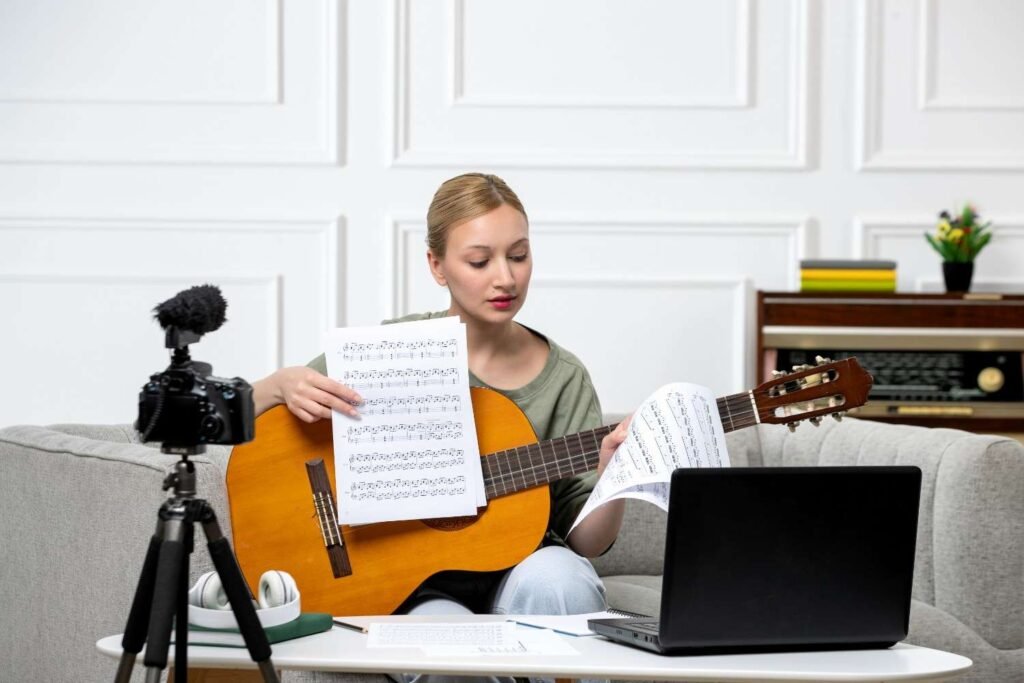
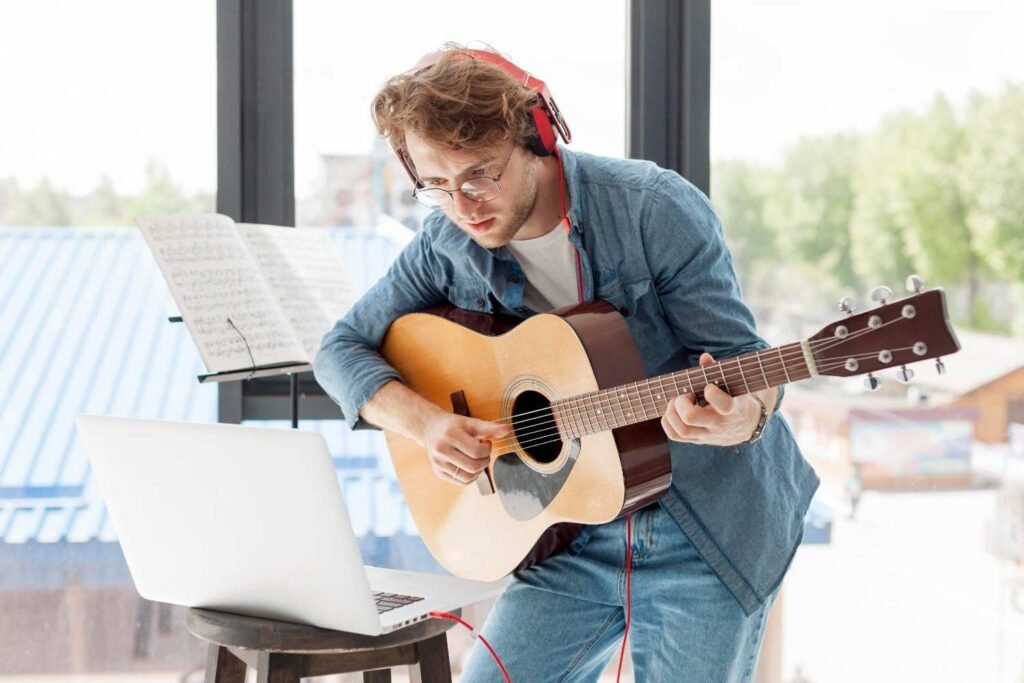
No marketing strategy can save weak music. I would practice vocals or an instrument for at least 30 to 45 minutes daily. Singers should work on pitch, breath control, tone, and stamina. Instrumentalists should focus on timing, rhythm, chords, and clean transitions.
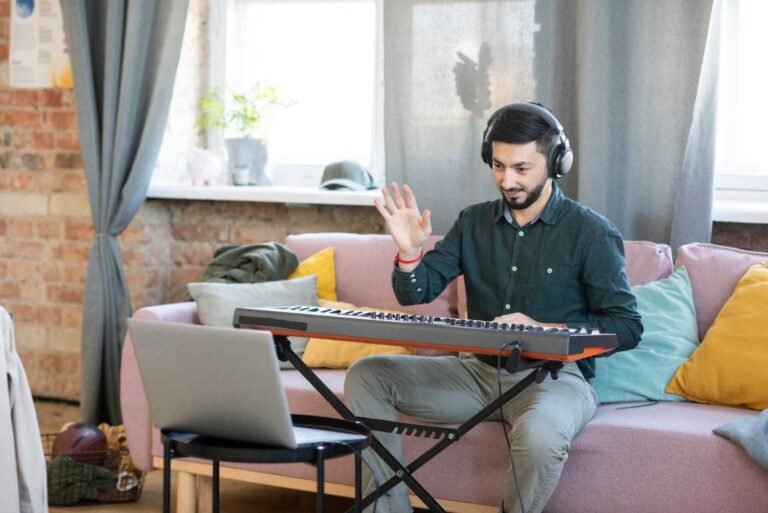
Learning basic guitar or piano also helps you compose without depending on others for every idea. In the beginning, write a high volume of songs, then choose only the strongest tracks for release.
What Home Studio Setup Do Beginners Need?
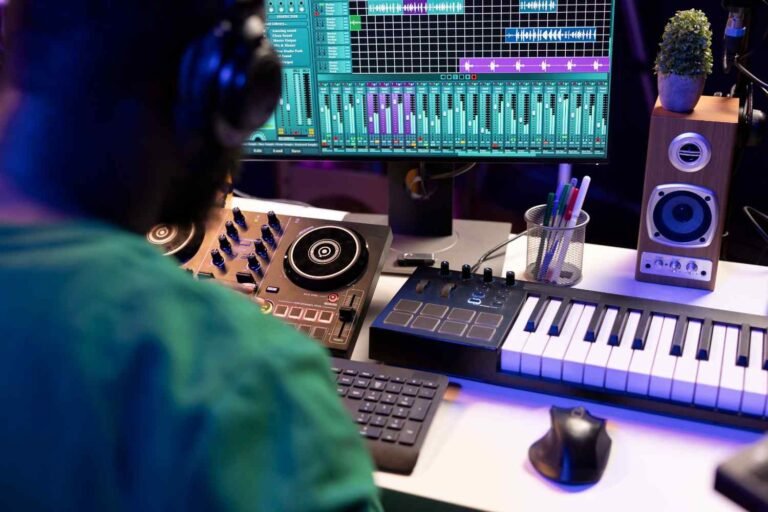
A basic home studio can help you build a catalog on a budget. Start with a Digital Audio Workstation, an audio interface, a reliable microphone, headphones, and a quiet recording space.
Logic, Ableton, GarageBand, BandLab, FL Studio, and similar tools can help depending on your budget and style. Clean recordings and finished demos matter more than a perfect studio.
How Do You Build a Digital and Legal Foundation?
Before releasing music, secure your artist name and matching handles across TikTok, Instagram, YouTube, Spotify, Apple Music, and other platforms. Build a simple website with your bio, photos, music links, contact details, email signup, and electronic press kit. Social platforms can change, but an email list gives you direct access to fans.
The legal side matters too. U.S. artists should understand music copyright, split sheets, royalties, and ownership before songs go public. A song can include two copyrights: the composition, which protects lyrics and melody, and the sound recording, which protects the master.
Registering work through the U.S. Copyright Office can strengthen protection if a dispute happens.
For royalties, learn the difference between performance rights organizations such as ASCAP and BMI and digital royalty collection through SoundExchange.
How Should You Release Your First Song?

A release needs a plan. Choose your strongest track, finish the mix and master, create cover art, confirm metadata, choose a distributor, and schedule the song early. Digital distributors such as DistroKid, TuneCore, and Amuse can send music to Spotify, Apple Music, Amazon Music, TikTok, YouTube Music, and other platforms.
After distribution, claim your Spotify for Artists profile so you can manage your bio, images, links, playlists, merch, and performance insights. Create content before release day. Share raw short-form videos, bedroom rehearsals, songwriting mistakes, studio clips, acoustic previews, and the story behind the song. Fans connect with authentic progress, not only polished promotion.
How Do You Build Fans Through Shows and Networking?
Online content helps discovery, but face-to-face networking still matters. Play open mics, songwriter nights, local festivals, college events, community shows, small venues, and listening rooms. Live shows teach you what people actually feel when they hear your music.
These local spaces can also help young artists learn about music scholarships for college students, campus performance opportunities, and community-based music programs.
I would also connect with photographers, videographers, graphic designers, producers, DJs, engineers, venue owners, and other local artists. Trade favors when budgets are tight. One strong creative relationship can lead to better photos, recordings, shows, and opportunities.
How Can Beginners Make Money From Music?
Streaming matters, but I would not rely on it alone. Beginners can earn through live gigs, teaching lessons, session work, beat sales, production services, merch, sync licensing, fan subscriptions, private events, and songwriting work. If you want to make money as a musician, build several small income streams instead of waiting for one big break.
What Mistakes Hold New Musicians Back?
The biggest mistake is waiting for perfect conditions. Other common mistakes include releasing without a content plan, ignoring copyright basics, using unclear branding, posting only when a song drops, copying other artists too closely, and chasing every trend.
FAQs About Starting a Music Career
1. Can I build a music career with no money?
Yes. Use free tools, home demos, social media, open mics, collaborations, and side income to support basic costs.
2. Do I need a record label to become successful?
No. Independent artists can distribute music, grow fans, book shows, sell merch, and earn income without a label.
3. What should I do before releasing my first song?
Finish the song, confirm ownership splits, prepare cover art, choose a distributor, set up artist profiles, and create content.
4. How long does it take to grow as a new artist?
Most artists need years, but you can build progress in 12 months through daily practice, releases, shows, and networking.
Final Thoughts
When I think about how to start a music career, I think about discipline more than luck. Strong songs, a clear role, daily practice, legal protection, digital branding, content, local networking, and multiple income streams can turn scattered effort into a real plan.
If you treat your music like both art and business, your first fan, first release, first show, and first paycheck can become the foundation for a lasting career.