Airport Hygiene Tips That Make a Difference on Long Travel Days
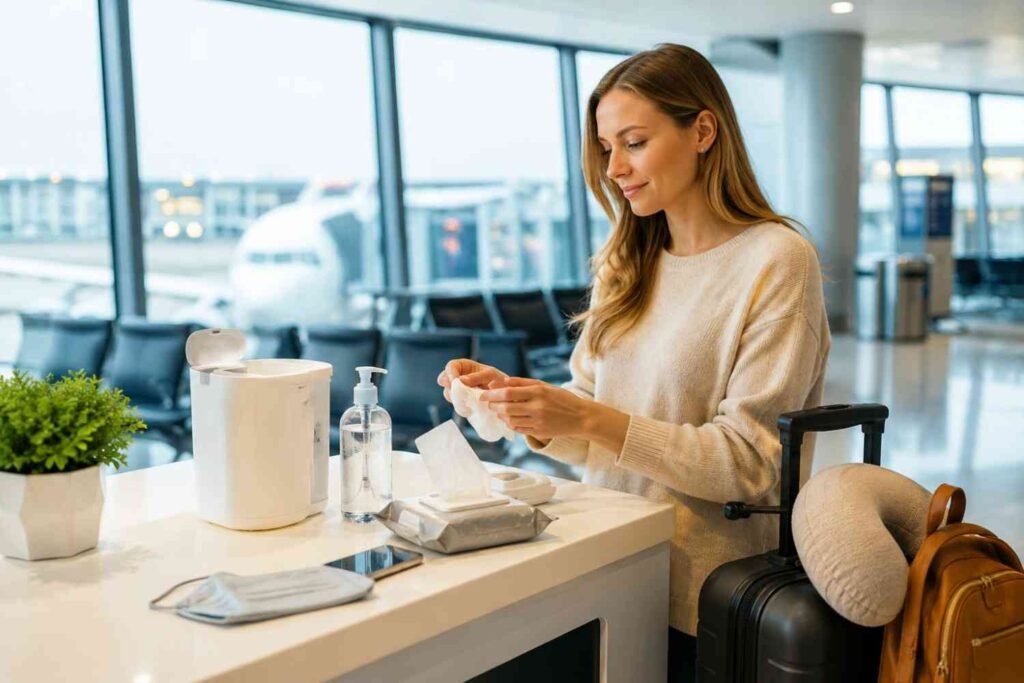
Most travelers prepare for flight delays, baggage restrictions, and security lines. What often gets overlooked is how exhausting and unhygienic a long travel day can become. Between crowded terminals, shared seating areas, public restrooms, and hours spent on a plane, travelers come into contact with hundreds of surfaces before they even reach their destination.
That doesn’t mean airports are unsafe. It simply means that small hygiene habits can have a noticeable impact on how you feel during and after your trip. The best airport hygiene tips are usually simple, practical, and easy to maintain, even when you’re rushing between gates or navigating a long layover.
The Germ Hotspots Most Travelers Forget About
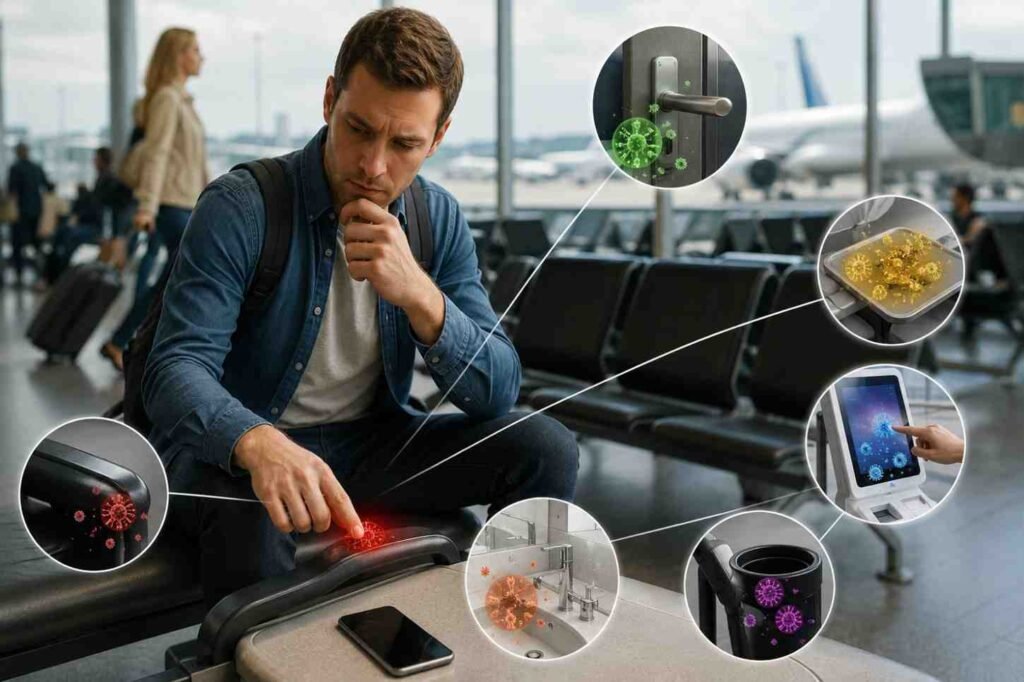
When people think about germs during air travel, they often focus on the airplane itself. In reality, some of the busiest touchpoints appear long before boarding.
Security bins are one of the most frequently handled objects in any airport. Thousands of travelers place shoes, phones, wallets, and personal items into the same bins every day. Using hand sanitizer after clearing security is one of the easiest ways to reduce unnecessary exposure.
Self-service kiosks, escalator handrails, elevator buttons, charging stations, and gate seating areas also receive constant use throughout the day. While it’s impossible to avoid every shared surface, being aware of these high-contact areas can encourage better hygiene habits.
Once onboard, many travelers immediately wipe down tray tables, armrests, seatbelt buckles, and entertainment screens. It takes less than a minute and can make the space feel noticeably cleaner for the duration of the flight.
Why Your Hands Are Not the Only Thing That Needs Attention
Hand hygiene remains important, but it is only one part of the picture.
Think about how often you touch your phone during a travel day. It follows you through security, restaurants, restrooms, waiting areas, and onto the plane. Yet many travelers clean their hands while ignoring one of the objects they use most.
A quick wipe-down of your phone can help maintain better hygiene throughout the journey.
The same applies to reusable water bottles. Bringing an empty bottle through security and filling it inside the terminal is one of the smartest travel wellness habits. It supports hydration and reduces unnecessary spending. However, bottles should also be cleaned regularly, especially after multiple days of travel.
Good hygiene is often less about one dramatic action and more about paying attention to everyday items that constantly move between different environments.
Staying Fresh During Long Hours of Travel
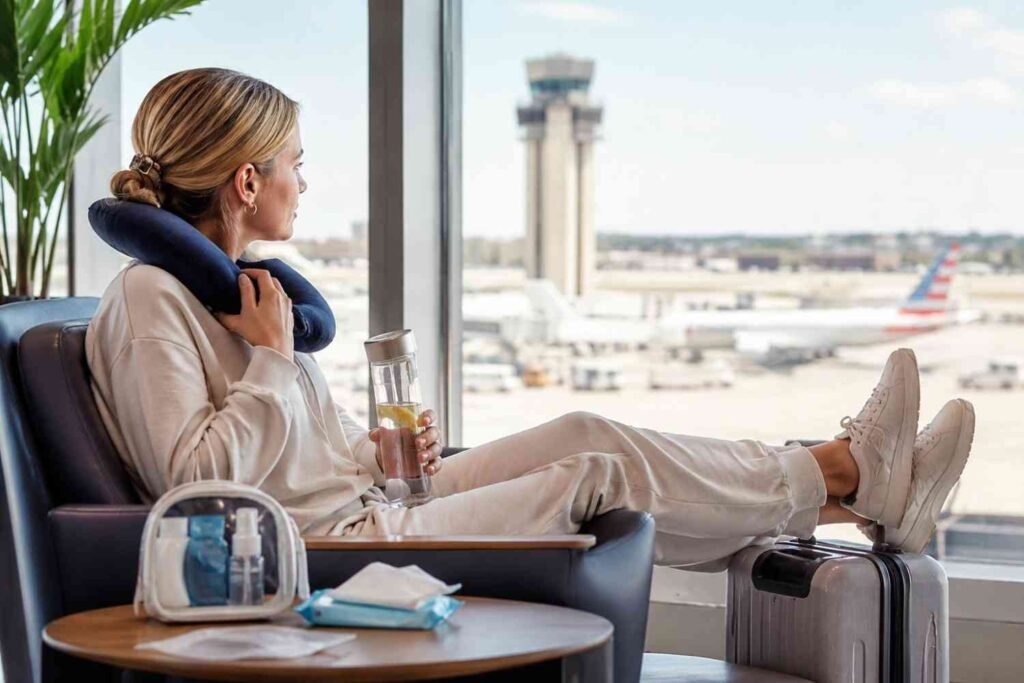
Long travel days can leave even experienced travelers feeling uncomfortable.
One of the easiest ways to improve comfort is by packing a small hygiene kit in your carry-on. Instead of relying on airport shops or airline amenities, bring travel-sized essentials that help you freshen up throughout the day.
Useful items often include:
- Face wipes
- Antibacterial wipes
- Mini deodorant
- Toothbrush and toothpaste
- Lip balm
- Moisturizer
- Extra socks
A quick refresh during a layover can make a surprisingly big difference, especially before a long-haul flight.
Many frequent travelers also change into fresh clothes before boarding. Lightweight layers work well while moving through crowded terminals, while comfortable clothing and compression socks can improve circulation during extended flights.
These habits may seem small, but they help travelers feel cleaner, more comfortable, and more energized when they arrive.
The Role of Hydration in Travel Wellness
Fatigue, headaches, dry skin, and general discomfort often have one thing in common during air travel: dehydration.
Airport environments and aircraft cabins tend to be dry, and many travelers unintentionally make the problem worse by relying on coffee, energy drinks, or alcohol throughout the day.
Water remains the best option for maintaining hydration. Bringing a reusable bottle through security and refilling it after screening helps ensure consistent access to water during the trip.
Some travelers also carry electrolyte packets for longer itineraries. These can help replace fluids lost during extended flights and busy travel schedules.
Dry cabin air can also affect the nasal passages. Many frequent flyers use saline nasal spray before and after flights to help maintain moisture and improve comfort throughout the journey.
Travel wellness and hygiene often overlap. When travelers stay hydrated, they generally feel better and recover more quickly from long travel days.
Building Better Habits Instead of Chasing Perfection
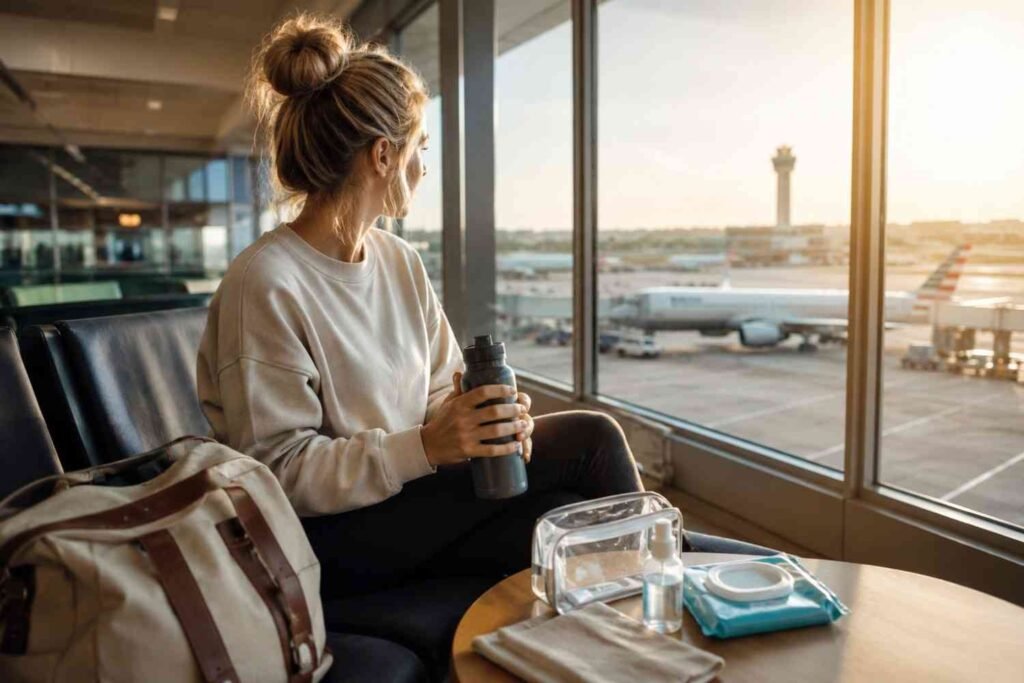
It’s easy to become overwhelmed by travel health advice. The reality is that airport hygiene does not require constant sanitizing or worrying about every surface you touch.
Consistency matters more than perfection.
Washing your hands before meals, cleaning frequently used items, staying hydrated, and carrying a few personal hygiene products can significantly improve your travel experience. These practical habits complement broader travel safety essentials such as securing personal belongings, protecting important documents, and staying aware of your surroundings.
The goal is not to avoid every germ. The goal is to reduce unnecessary risks while making long travel days more comfortable and manageable.
FAQs: Airport Hygiene Tips That Make a Difference on Long Travel Days
1. Should I wipe down airplane tray tables?
Yes. Tray tables are among the most frequently touched surfaces on a flight and are worth cleaning before use.
2. Is hand sanitizer enough when traveling?
Hand sanitizer works well when soap and water are unavailable, but proper hand washing remains the most effective option.
3. What should I keep in a travel hygiene kit?
Face wipes, sanitizer, deodorant, toothpaste, lip balm, and antibacterial wipes are practical essentials for long travel days.
4. Why is hydration important during flights?
Aircraft cabins are very dry. Staying hydrated can reduce fatigue, headaches, and general travel discomfort.
The Habits That Matter Long After Boarding
Most travelers remember their destination, not the airport. Yet the habits developed during those hours in terminals, security lines, and waiting areas often determine how comfortable the journey feels. Small actions such as cleaning high-touch surfaces, carrying personal hygiene essentials, drinking enough water, and freshening up before a flight can make a noticeable difference. They require very little effort but contribute to a healthier and more pleasant travel experience.
Good travel habits rarely feel important in the moment. Their value usually becomes clear when the trip ends, and you still feel your best.