Why Public Place Etiquettes to Follow Matter More Than Ever Today?
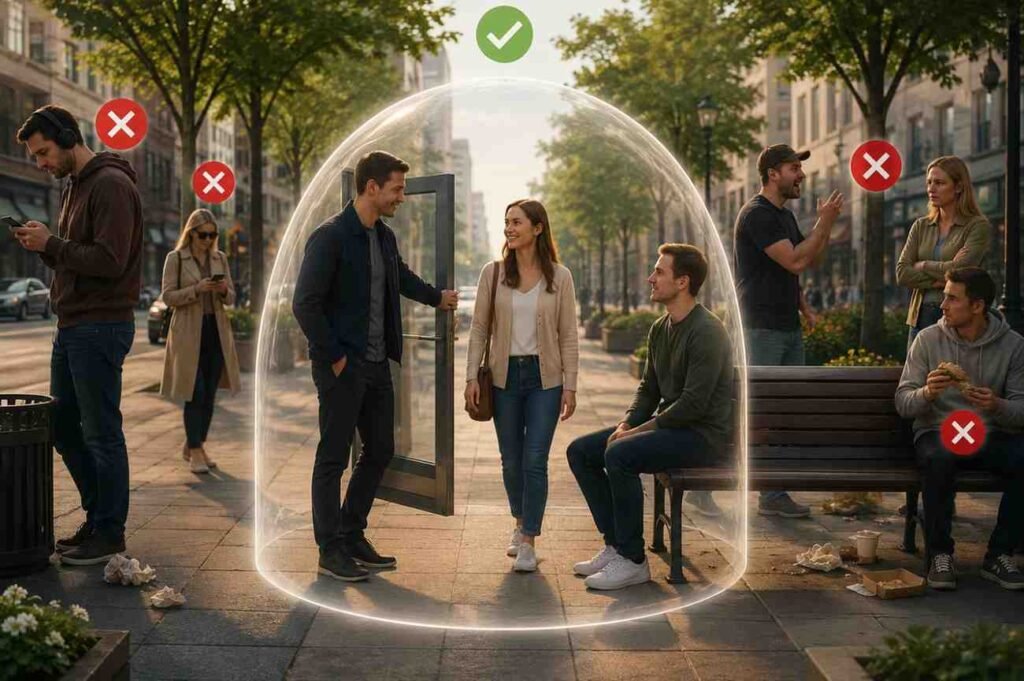
Spending time in public spaces feels different from how it did a decade ago. Airports are busier, coffee shops double as offices, public transportation carries more people, and nearly everyone has a smartphone competing for their attention. At the same time, many people seem less patient, more distracted, and quicker to react to everyday inconveniences.
That shift is one reason public place etiquette has become more important than ever. Good manners are not about outdated social rules or appearing sophisticated. They are about making shared spaces more comfortable for everyone. When strangers interact respectfully, public environments feel safer, friendlier, and easier to navigate. In a world where people often feel disconnected despite being constantly connected online, simple acts of courtesy can have a surprisingly powerful impact.
Public Etiquette Is About More Than Manners
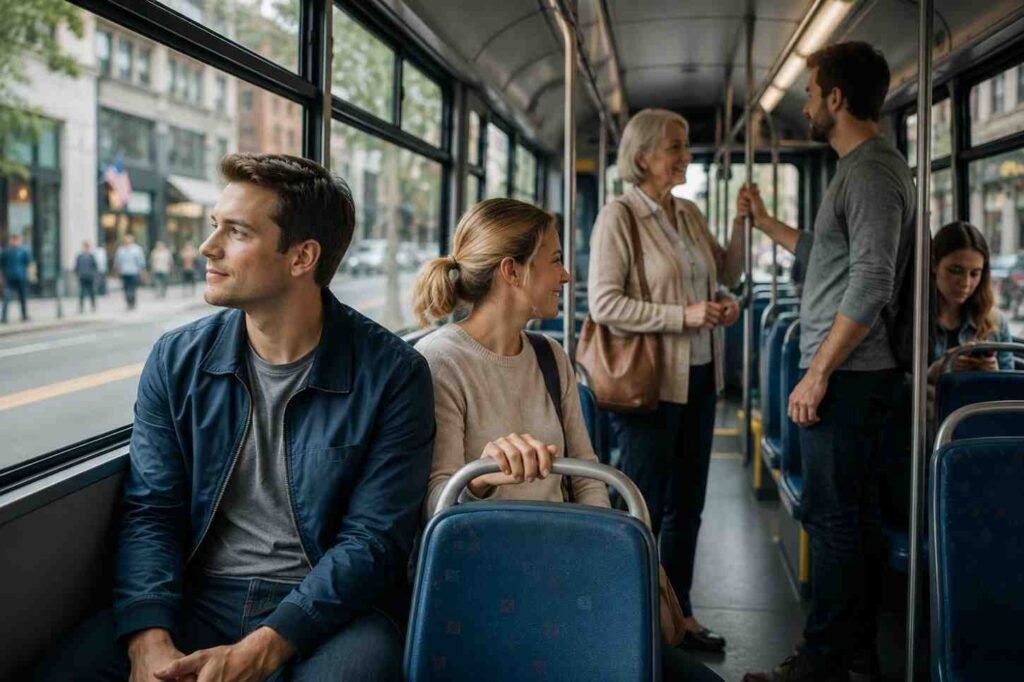
Many people hear the word “etiquette” and think about formal dining rules or old-fashioned customs. In reality, public etiquette is simply the practice of being aware that other people exist and deserve consideration.
Every day, people share sidewalks, waiting rooms, stores, public transportation, parks, and entertainment venues. These spaces function smoothly because most individuals follow unwritten social norms. Holding a door, waiting your turn, lowering your voice, and respecting personal space may seem small, but collectively they create an environment where everyone can coexist comfortably.
Without these habits, shared spaces quickly become frustrating. What appears to be a minor inconvenience for one person often affects dozens of others.
The Digital Age Has Changed How We Behave in Public
One of the biggest challenges facing modern public etiquette is constant digital distraction.
Smartphones Often Pull Attention Away From Real People
Many people instinctively check notifications while walking, waiting in line, or even having conversations. While technology offers convenience, it can also reduce awareness of the people nearby.
Someone scrolling through social media while standing in a crowded walkway may unknowingly block foot traffic. A person watching videos without headphones can disrupt an entire waiting area. These behaviors are rarely intentional, but they highlight how digital habits influence public conduct.
Practicing mindfulness in public spaces helps counter this tendency. Looking up from a screen, staying aware of your surroundings, and being fully present during conversations are simple ways to show respect for others.
Public Spaces Work Better When People Stay Present
Being present allows people to notice when someone needs assistance, when a line is moving, or when their actions might inconvenience others. Small moments of awareness often prevent larger frustrations.
In many ways, modern etiquette is less about following strict rules and more about paying attention.
Respecting Boundaries Has Become Increasingly Important
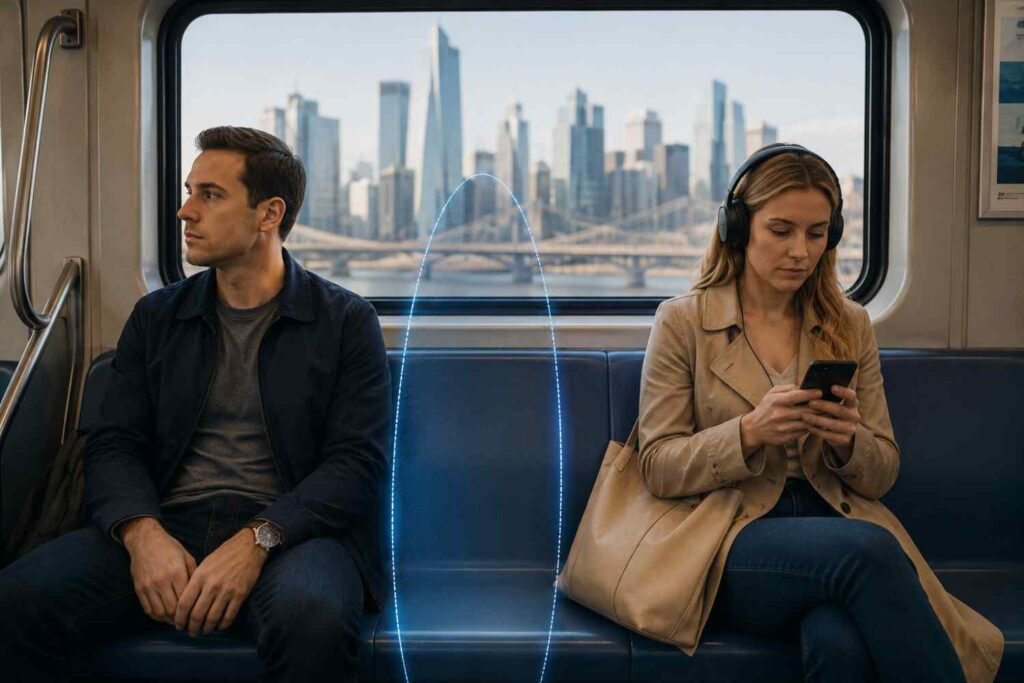
The last several years have changed how people think about personal space and comfort levels. Individuals now have different expectations regarding proximity, privacy, and interaction.
Personal Space Still Matters
Standing too close in line, invading someone’s personal bubble, or unnecessarily crowding shared areas can make others uncomfortable. Maintaining a reasonable distance demonstrates awareness and consideration.
People may have different comfort levels based on personal experiences, cultural backgrounds, or health concerns. Respecting those differences creates a more welcoming environment.
Not Every Question Needs To Be Asked
Modern etiquette also involves recognizing boundaries in conversation. Personal topics such as finances, health conditions, family planning, or other sensitive matters are not always appropriate in casual public interactions.
Showing restraint can be just as respectful as showing interest.
Shared Spaces Reflect Shared Responsibility
One person’s behavior can influence the experience of everyone nearby.
Think about a crowded airport gate, a packed train, or a busy grocery store. Most people simply want to move through their day without unnecessary stress. When individuals follow basic public etiquette, these environments function more efficiently.
This is especially true in situations involving common mistakes in crowded places. Blocking walkways, stopping abruptly in busy areas, ignoring queue etiquette, or speaking loudly on speakerphone may seem insignificant, but these actions often create frustration for dozens of people at once.
Courtesy Reduces Avoidable Conflict
Many disagreements in public spaces do not begin with major offenses. They start with small acts of inconsideration.
Someone cuts a line. Another person refuses to move aside. A traveler monopolizes the limited seating. These situations can escalate quickly because tension already exists in busy environments.
Basic etiquette helps prevent these conflicts before they begin. It serves as a form of social cooperation that benefits everyone involved.
Good Etiquette Creates Stronger Communities
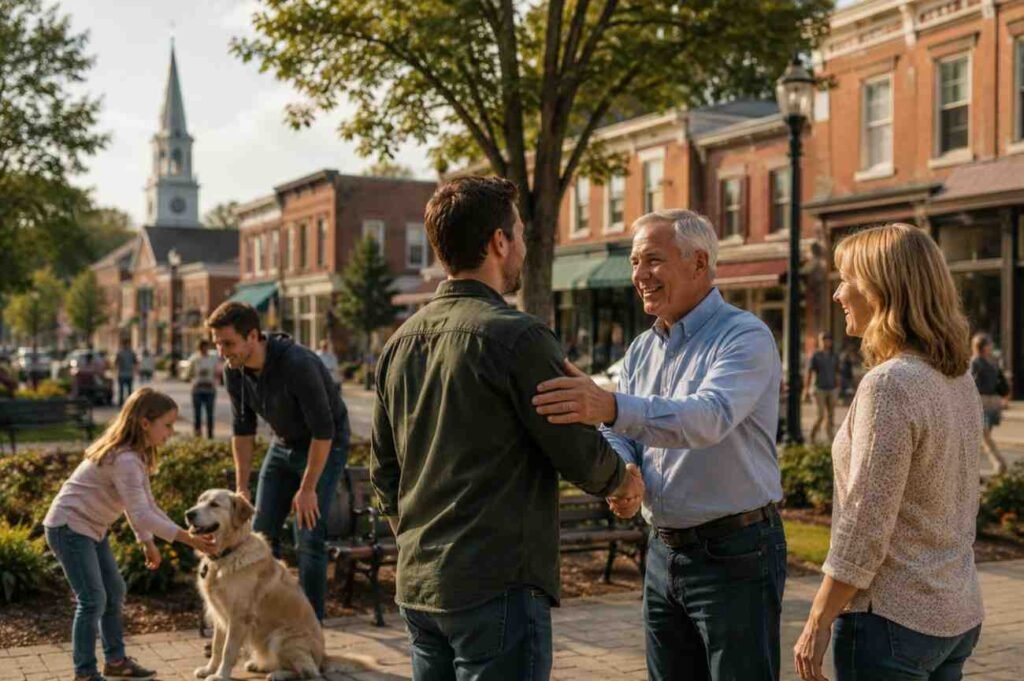
At its core, public etiquette is about recognizing that strangers deserve respect, too.
Small Actions Shape Social Culture
Communities become stronger when people consistently demonstrate kindness, patience, and consideration. A simple gesture, such as helping someone with directions or allowing another person to merge into a line, can improve someone’s day more than we realize.
These moments may seem insignificant individually, but they contribute to a broader culture of mutual respect.
People Notice Respect More Than Rules
Most individuals do not remember whether someone followed every social rule perfectly. They remember how that person made others feel.
Respectful behavior creates positive interactions that linger long after the moment has passed. It encourages others to act similarly, creating a ripple effect throughout shared spaces.
FAQs: Why Public Place Etiquettes to Follow Matter More Than Ever Today
1. Why is public etiquette important today?
Public etiquette helps people navigate shared spaces respectfully, reducing stress, misunderstandings, and unnecessary conflict in everyday interactions.
2. How have smartphones affected public behavior?
Smartphones often reduce situational awareness, making people less attentive to those around them in public settings.
3. What is the most important public etiquette habit?
Being aware of how your actions affect others is one of the most valuable habits in any shared environment.
4. Can good etiquette improve communities?
Yes. Respectful behavior encourages cooperation, strengthens social trust, and makes public spaces more welcoming for everyone.
The Habits People Remember Long After the Moment Passes
Most people will never remember every conversation they have in a grocery store, airport, or coffee shop. What they often remember is how those interactions made them feel. A little patience during a busy commute, a willingness to respect personal space, or a simple act of courtesy can completely change someone’s experience in a shared environment. Public etiquette is not about perfection. It is about recognizing that our actions affect people we may never meet again.
The smallest acts of consideration often leave the strongest impression.