Travel Safety Essentials to Keep in Mind on Any Type of Trip
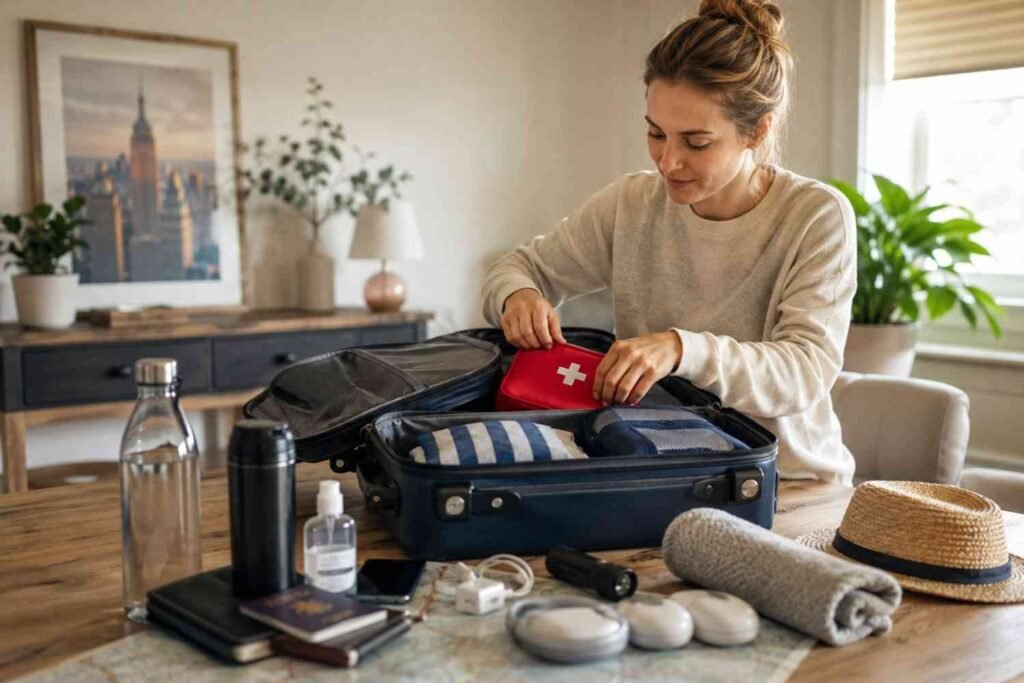
Most people think about travel safety after they arrive. They check the hotel door lock, keep an eye on their luggage, or avoid walking alone late at night. While those habits matter, many travel problems begin long before a traveler reaches their destination.
A smoother trip often comes down to preparation. Lost documents, stolen bags, dead phone batteries, unexpected illnesses, and transportation issues can happen anywhere. The good news is that a few practical travel safety essentials can help reduce risks and make travel feel less stressful, whether you’re heading out for a weekend getaway or a longer adventure.
Safety Starts Before You Leave Home

One of the simplest ways to improve travel security is to prepare for situations you hope never happen.
Before departure, create digital copies of important documents such as your passport, driver’s license, travel insurance information, hotel confirmations, and itinerary. Store these copies in a secure cloud folder and send them to your email. If your wallet or phone goes missing, having access to these documents can save hours of frustration.
Many experienced travelers also share their itinerary with a trusted family member or friend. It may seem unnecessary, but having someone who knows your accommodations and travel plans can be helpful during unexpected situations.
For international trips, government travel alert programs can provide important updates about weather events, transportation disruptions, safety concerns, or local emergencies. Staying informed before and during your trip allows you to make smarter decisions if conditions change.
The Travel Safety Essentials Most People Forget
Travelers often focus on packing clothes and toiletries while overlooking items that can genuinely improve safety.
A luggage tracker has become one of the most useful travel accessories in recent years. Small devices placed inside checked bags allow travelers to monitor the location of their belongings throughout the journey. While airlines continue improving baggage handling systems, luggage delays still occur, and tracking devices provide an extra layer of reassurance.
A portable phone charger is another frequently overlooked item. Navigation apps, boarding passes, ride-share services, and digital payment methods all depend on a working phone. Losing battery access can create unnecessary complications, especially in unfamiliar places.
Some travelers also carry a lightweight rubber doorstop when staying in hotels or vacation rentals. This inexpensive item can provide additional security for inward-opening doors and is popular among frequent travelers because it takes up almost no space.
Digital Safety Is Now Part of Travel Safety
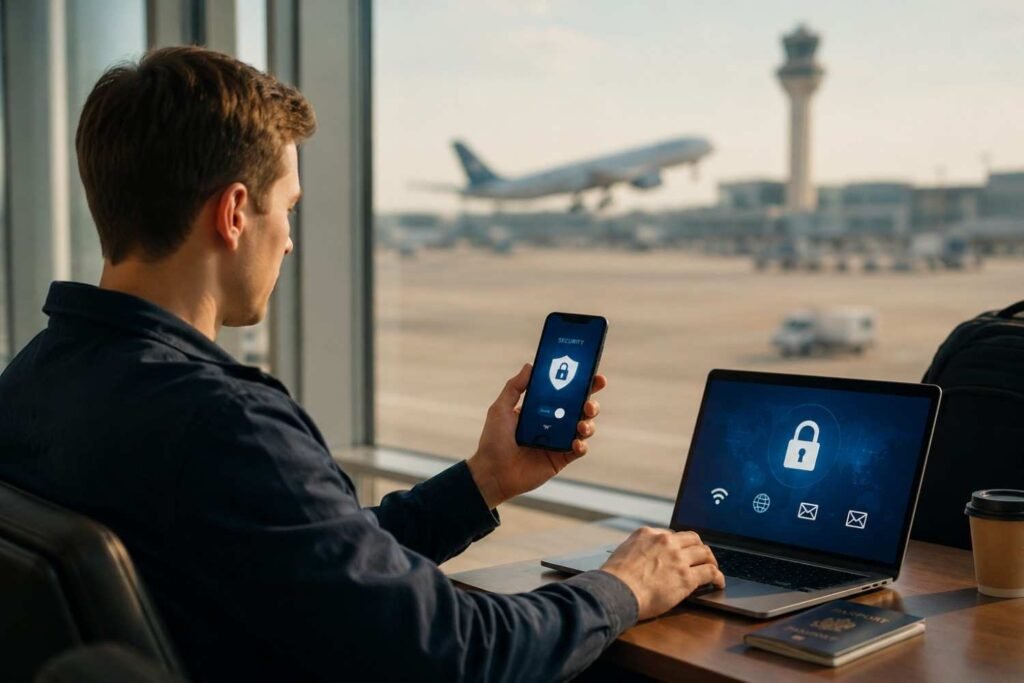
Travel safety no longer focuses only on physical belongings. Smartphones often contain banking apps, personal information, identification documents, and travel reservations.
Public Wi-Fi networks found in airports, hotels, and coffee shops are convenient, but they can expose travelers to security risks. Whenever possible, avoid logging into sensitive financial accounts while connected to public networks. Using mobile data or a trusted virtual private network can add an extra layer of protection.
Offline maps are another valuable tool. Many travelers assume they will always have a reliable signal, only to discover coverage gaps when they need directions the most. Downloading maps before departure allows you to navigate confidently without depending on constant internet access.
Protecting your digital information is now just as important as protecting your passport or wallet.
Health Preparedness Can Save a Trip
A minor health issue can quickly disrupt travel plans if you are unprepared.
Packing a compact health kit does not require much space, yet it can be incredibly useful. Basic supplies such as adhesive bandages, blister treatment, antiseptic wipes, pain relievers, and medication for common stomach issues often prove valuable during a trip.
Travelers who take prescription medications should always keep them in their original containers and carry enough for the entire journey. Bringing a copy of the prescription can also help if replacements become necessary.
Another item gaining attention among frequent travelers is a portable carbon monoxide detector. While many accommodations follow safety standards, travelers staying in older buildings, remote properties, or short-term rentals often appreciate the added peace of mind.
Health preparedness is less about expecting problems and more about ensuring small issues do not become major disruptions.
Smart Habits Matter More Than Expensive Gear
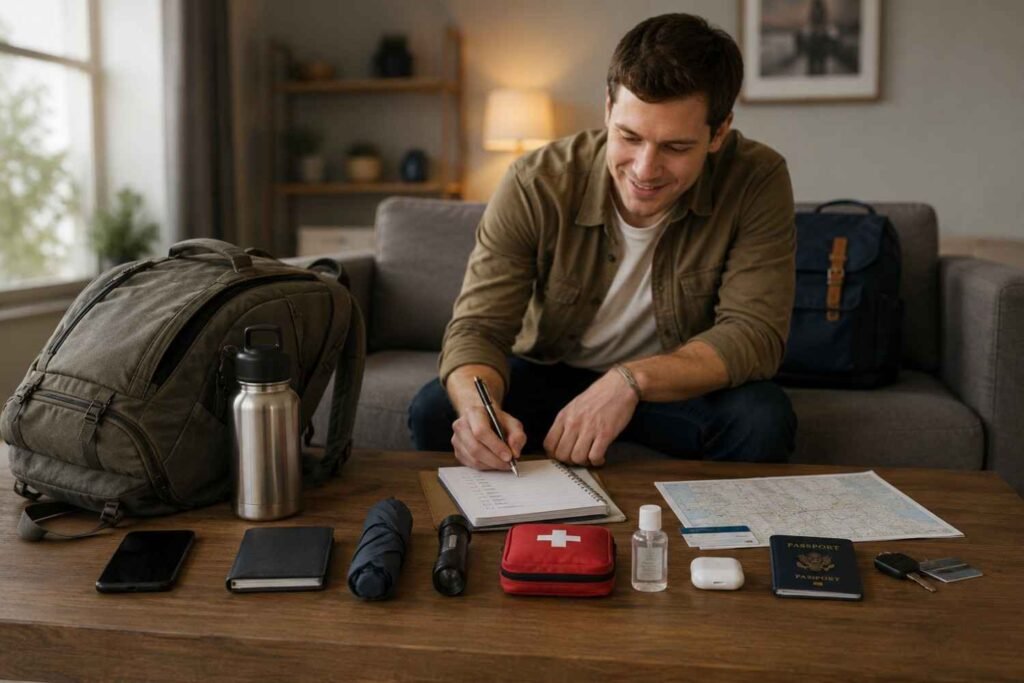
Travel products can be useful, but habits often provide the greatest protection.
One of the most effective travel safety practices is maintaining situational awareness. Travelers who stay alert to their surroundings are more likely to recognize scams, avoid risky situations, and make informed decisions.
Researching common scams before arriving at a destination is another worthwhile habit. Every location has its own challenges, and understanding what to expect can help you avoid becoming an easy target.
Many experienced travelers also avoid drawing unnecessary attention to themselves. Keeping expensive jewelry to a minimum, staying confident while navigating unfamiliar areas, and being mindful of valuables can reduce risks significantly.
The goal is not to travel with fear. The goal is to travel with awareness.
Travel Safety Is About Confidence, Not Caution
Some people hear the phrase “travel safety” and immediately think about worst-case scenarios. In reality, most safety measures are designed to increase confidence, not anxiety.
Knowing your documents are backed up, your luggage is trackable, your health essentials are packed, and your route is accessible offline allows you to focus on enjoying the experience. Instead of worrying about what might happen, you spend more time appreciating where you are.
Good preparation creates freedom. When unexpected situations arise, prepared travelers adapt more easily and continue moving forward with fewer disruptions.
FAQs: Travel Safety Essentials to Keep in Mind on Any Type of Trip
1. What is the most important travel safety essential?
Preparation is often the most valuable safety tool. Backing up documents and planning ahead can prevent many common travel problems.
2. Should I carry physical copies of important documents?
Yes. Physical copies provide backup access if your phone, wallet, or original documents become unavailable during a trip.
3. Are luggage trackers worth using?
Many travelers find them useful because they help monitor checked bags and provide additional peace of mind.
4. How can I stay safer in unfamiliar destinations?
Research local scams, stay aware of your surroundings, secure valuables, and keep trusted contacts informed about your plans.
Why Preparation Usually Beats Luck
Most travel disruptions are not dramatic emergencies. They are small inconveniences that become stressful because travelers are caught off guard. A misplaced document, a dead phone battery, a delayed suitcase, or an unfamiliar neighborhood can quickly change the tone of a trip. The travelers who handle these situations best are rarely the luckiest. They are usually the ones who took a few simple steps before leaving home. From securing digital backups to carrying a basic health kit, preparation creates flexibility when plans change.
The best travel safety essential is not a gadget. It is the habit of thinking ahead before the journey begins.