From Airports to Festivals: Practical Ways to Stay Safe in Crowded Places
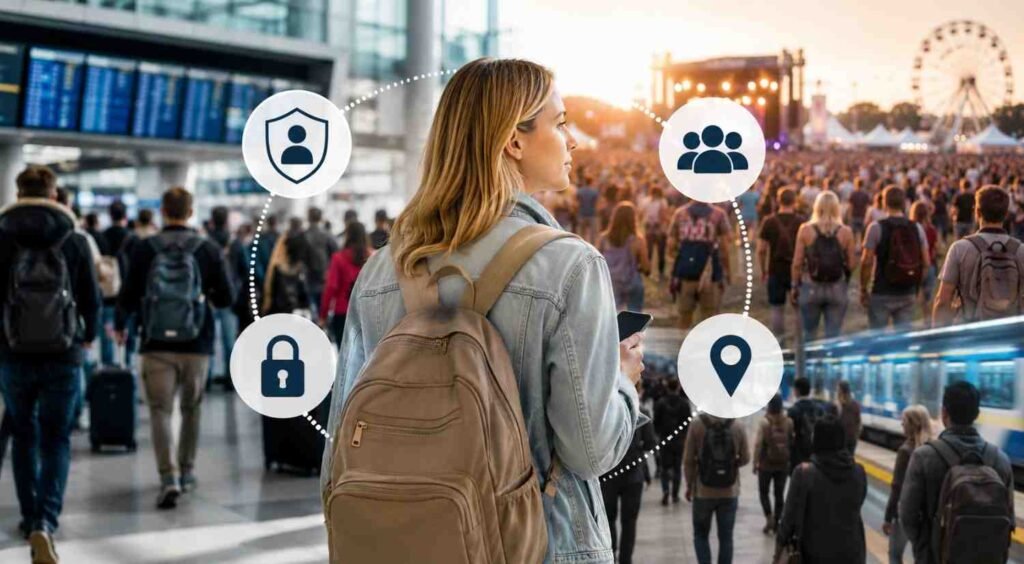
Crowded places are part of everyday life. Airports, concerts, sporting events, festivals, public transit hubs, and tourist attractions all bring large groups of people together in limited spaces. Most of the time, these environments are safe and well-managed. The challenge is that crowds can make it harder to notice risks, keep track of belongings, and react quickly when something unexpected happens.
The good news is that staying safe in crowded places rarely requires special training or expensive gear. It often comes down to preparation, awareness, and a few simple habits that help you stay comfortable and confident no matter where you are.
Why Crowded Places Create Different Safety Challenges
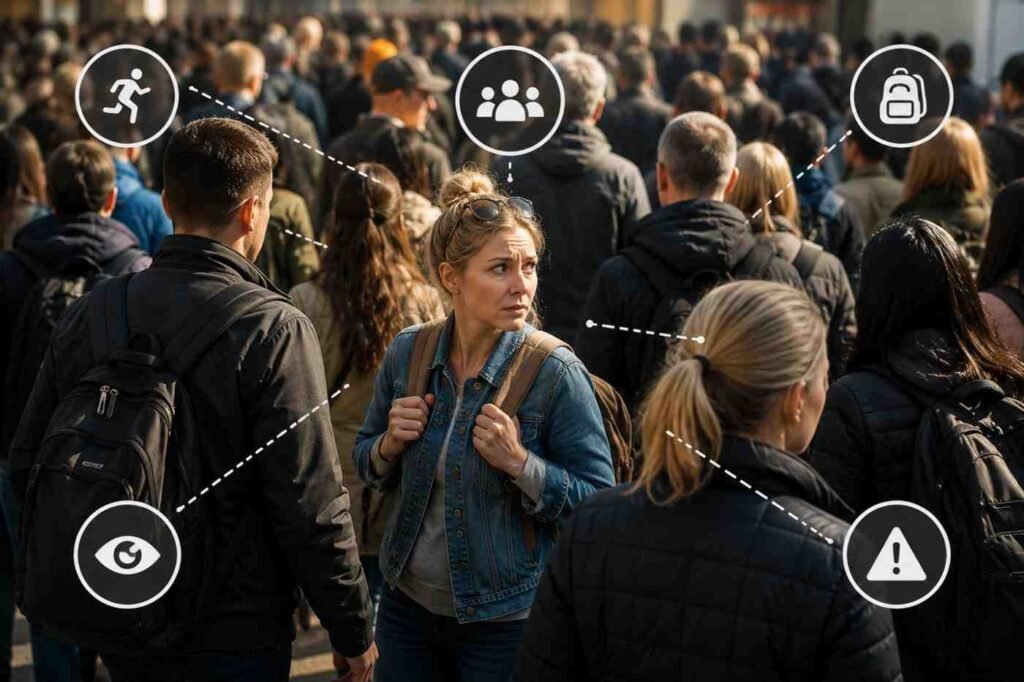
When people move through busy environments, distractions increase. You’re checking directions, reading signs, meeting friends, looking at your phone, or trying to navigate through unfamiliar surroundings. At the same time, personal space shrinks, making it easier to lose track of valuables or miss important details.
Crowded environments also change how people behave. Individuals often follow the movement of the crowd without thinking about where exits are located or how they would respond during an emergency. That is why the safest people in busy spaces tend to be the ones who stay aware without becoming overly cautious.
Prepare Before You Step Into the Crowd
A few minutes of preparation can make a significant difference once you arrive.
Learn the Layout Before You Arrive
Whether you’re attending a music festival or catching a flight, familiarize yourself with the venue beforehand. Most airports, stadiums, and event venues provide maps online. Take a moment to identify entrances, exits, restrooms, first-aid stations, and security locations.
Knowing the layout reduces stress and helps you make better decisions if plans suddenly change.
Keep Your Essentials Secure
Crowded environments create opportunities for theft because people are often distracted. Instead of carrying unnecessary items, bring only what you need.
Cross-body bags worn across the front of your body are generally harder for pickpockets to access than backpacks or loose shoulder bags. Keep wallets, phones, identification, and payment cards in secure locations that are easy for you to monitor throughout the day.
Establish a Meeting Point
Groups frequently become separated in large crowds. Before entering a busy venue, choose a clear meeting location that everyone can find without relying on mobile service.
Cell networks often become overloaded during large events, making communication difficult when you need it most.
Small Habits That Make a Big Difference
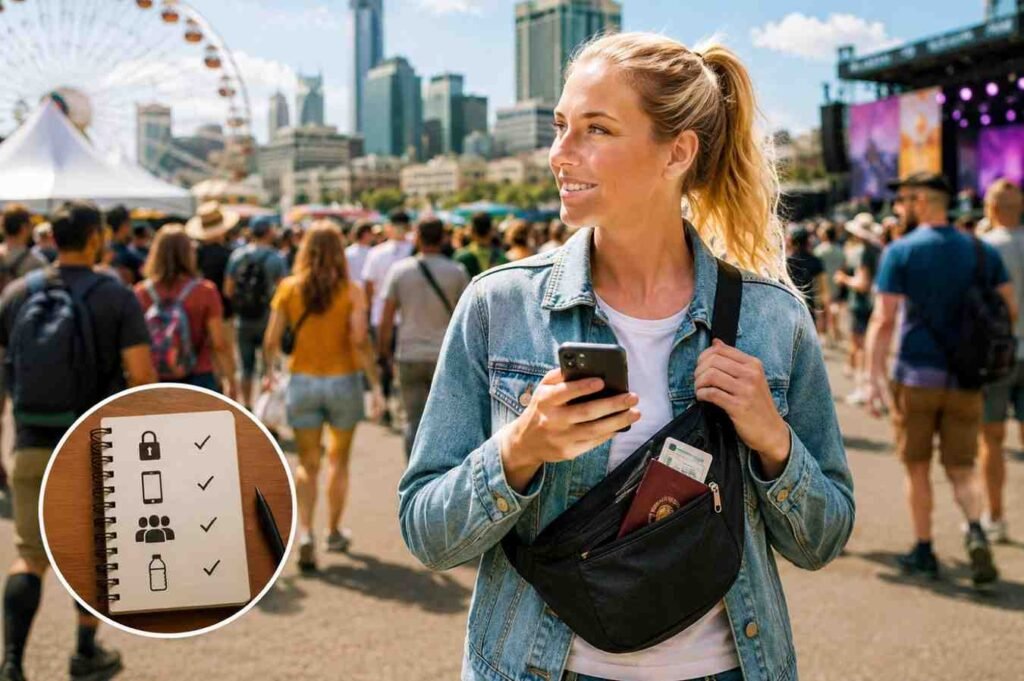
Safety is often influenced by simple decisions that people rarely think about until a problem occurs.
Dress for Movement
Comfortable clothing and secure footwear matter more than many people realize. Closed-toe shoes with properly tied laces help reduce slips, trips, and falls when navigating busy walkways, stairs, and uneven surfaces.
Avoid loose accessories that can become caught on barriers, equipment, or other people in tightly packed environments.
Stay Hydrated and Pay Attention to Your Body
Large crowds, warm weather, and long periods of standing can quickly lead to fatigue or dehydration. Many medical incidents at festivals and sporting events stem from heat exhaustion rather than security threats.
Drink water regularly and recognize early signs of dizziness, headaches, or exhaustion before they become serious.
Reduce Screen Distractions
Smartphones are useful, but they can also reduce awareness of your surroundings. Constantly looking down at a screen makes it easier to miss changes in crowd movement, safety announcements, or suspicious activity nearby.
Checking directions occasionally is fine. Walking through dense crowds while focused entirely on your phone is not.
Knowing How to React Matters More Than Most People Think
Preparation helps, but knowing how to respond in unexpected situations is equally important.
Identify More Than One Exit
Most people notice the entrance they used to enter a venue. Fewer pay attention to alternative exits.
As soon as you arrive, identify at least two exit routes. This habit takes only seconds but can make navigation easier during emergencies, severe weather, or unexpected venue closures.
What to Do During a Crowd Surge
Crowd surges are uncommon, but understanding basic crowd management principles can help if one occurs.
Avoid pushing against the movement of the crowd. Instead, move diagonally toward the edge whenever possible. Keeping your arms slightly raised in front of your chest can help create breathing space while moving toward a safer area.
Remaining calm often improves decision-making far more than reacting emotionally.
If You Fall
One of the biggest risks in dense crowds is being unable to get back up quickly.
If you fall, try to stand immediately using nearby support if available. If standing is not possible, curl into a protective position and shield your head and neck while waiting for an opportunity to move safely.
Staying Safe in Airports and Transit Hubs
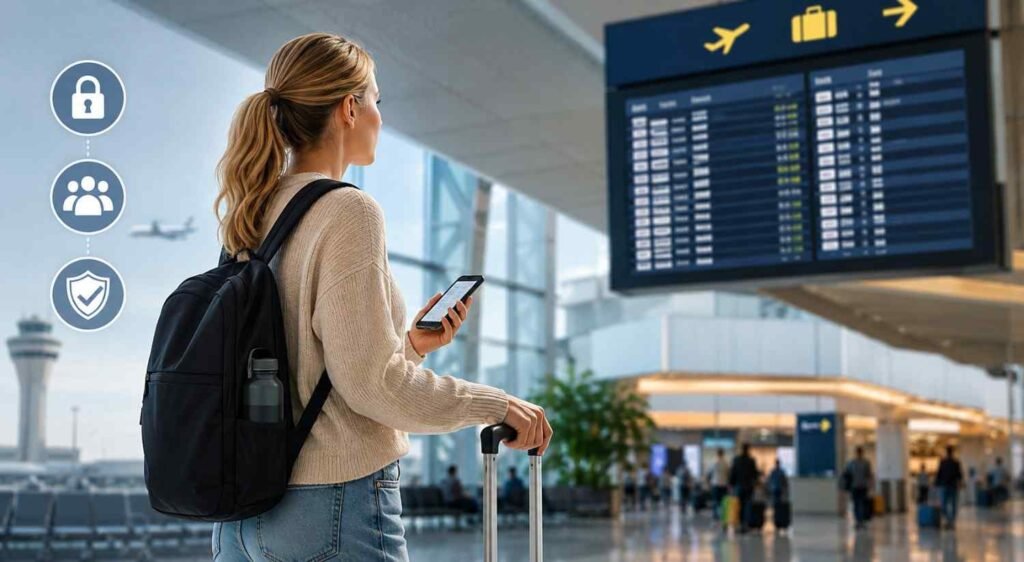
Airports combine large crowds, tight schedules, and constant distractions, making them one of the most common places where travelers let their guard down.
Keep Devices Charged and Accessible
Your phone now serves as a boarding pass, navigation tool, communication device, and emergency contact resource. A portable power bank can help ensure you maintain access to important information throughout your journey.
Pay Attention to Official Announcements
Many travelers become focused on screens while waiting for flights. Delays, gate changes, security updates, and boarding information are often communicated through announcements that can be missed when distractions take over.
Don’t Overlook Personal Wellness
Busy terminals expose travelers to thousands of high-touch surfaces throughout the day. Following practical airport hygiene tips, such as washing hands regularly, using hand sanitizer, and avoiding unnecessary face touching, can help reduce exposure to common illnesses during travel.
FAQs: From Airports to Festivals: Practical Ways to Stay Safe in Crowded Places
1. How can I protect my belongings in crowded places?
Use a secure cross-body bag, keep valuables close to your body, and avoid storing important items in easily accessible pockets.
2. What should I do if I get separated from my group?
Head to a pre-arranged meeting location and stay there. This prevents confusion and makes reconnecting much easier.
3. Are crowded places generally safe?
Most crowded venues are safe and professionally managed. Awareness and preparation simply help reduce risks and improve confidence.
4. Why is hydration important in large crowds?
Standing for long periods, heat exposure, and physical activity can lead to dehydration, fatigue, and other preventable health issues.
The People Who Move Through Crowds Most Comfortably Usually Follow the Same Habits
The safest people in crowded places are not constantly looking over their shoulders or expecting the worst. They simply prepare before arriving, stay aware of their surroundings, protect their belongings, and know how to respond if something unexpected happens. Whether you’re navigating an airport, attending a concert, or exploring a popular attraction, these habits allow you to focus more on the experience and less on potential problems.
Confidence in crowded places usually comes from preparation, not luck.