Carbon Monoxide Safety Tips for Homeowners That Work
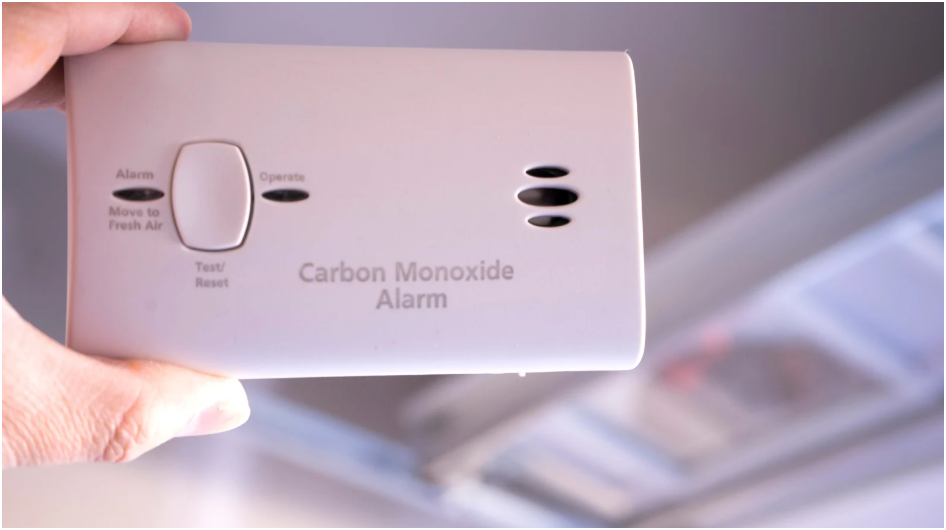
I treat carbon monoxide like a houseguest that never knocks. You cannot see it, smell it, or taste it, so carbon monoxide safety tips for homeowners must start before anyone feels sick.
The risk often begins with ordinary equipment: a furnace, water heater, gas range, fireplace, portable generator, charcoal grill, or vehicle in an attached garage. My rule is simple: protect sleeping areas first, maintain every fuel-burning appliance, and never give exhaust a shortcut indoors.
Why Carbon Monoxide Safety Starts Before Symptoms
Carbon monoxide forms when fuel does not burn completely. Gas, oil, wood, charcoal, propane, kerosene, and gasoline can all produce it.
The danger is timing. Early symptoms can feel like flu, stress, food poisoning, or tiredness. A headache after dinner, dizziness during a storm outage, or nausea near bedtime should raise concern when fuel-burning equipment is running.
The safer order is prevention first, detection second, reaction third. If you wait for symptoms, the home has already failed the safety test.
Install CO Detectors Where They Can Wake People Up
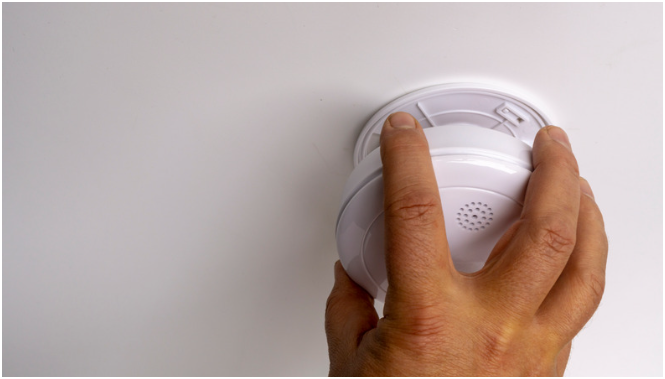
CO detectors are not decorations. They are sleeping-area protection devices. I place the first layer near bedrooms because people are most vulnerable when asleep.
Put Alarms on Every Level
Install carbon monoxide alarms on every level of the home, including the basement. Place them inside or directly outside sleeping areas. Add one near an attached garage if it connects to a hallway, laundry room, or kitchen.
Avoid placing alarms right next to fuel-burning appliances, windows, supply vents, or bathrooms. Steam, drafts, and normal appliance startup can cause false readings or delayed detection. Follow the manufacturer’s instructions because wall and ceiling rules vary by model.
Choose Interconnected Alarms When Possible
A basement alarm helps only if someone upstairs can hear it. Interconnected alarms solve that gap. When one alarm sounds, all linked alarms sound.
This upgrade matters in larger homes, finished basements, and homes with heavy sleepers. Wireless interconnected units can work when hardwiring is not practical.
Test Monthly and Replace on Schedule
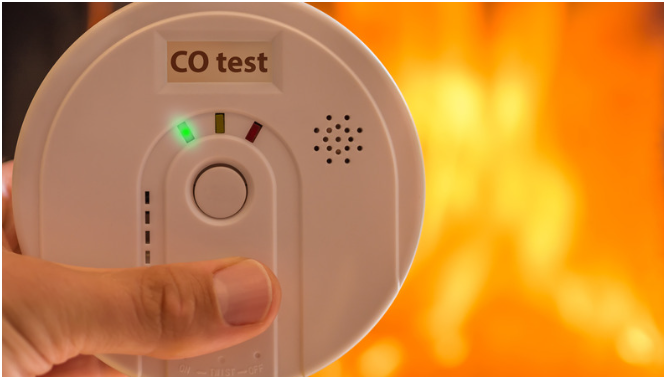
I like a first-weekend habit: test every CO alarm when checking smoke alarms and HVAC filters. Press the test button, confirm the sound, and replace weak batteries immediately.
Do not keep old alarms forever. CO sensors expire. Many alarms last five to ten years, but the printed expiration date wins. Write the install month on the back with a marker.
Maintain Appliances Before They Become Hazards

The best detector setup cannot replace maintenance. A blocked flue, cracked heat exchanger, poorly adjusted burner, or back-drafting fireplace can push combustion gases into living areas.
Book Annual Heating Inspections
Have a qualified technician inspect your furnace, boiler, gas water heater, and other fuel-burning heating equipment every year. I would schedule it before cold weather, not during the first freeze.
Ask the technician to check venting, burner performance, combustion air, flue connections, and signs of leakage.
Keep Exhaust Paths Clear
A vent blocked by snow, leaves, bird nests, lint, or debris can push exhaust back inside. Walk around the outside of your home after storms and during heavy leaf season.
Check furnace exhaust pipes, dryer vents, fireplace caps, and sidewall vents. Call a professional if a vent looks damaged, disconnected, rusted, or stained.
Respect Gas Ranges and Fireplaces
A gas stove is for cooking, not heating. Never use a gas oven or stovetop to warm a room. Use an outdoor-vented range hood when cooking with gas, especially during long simmering or high-heat cooking.
Daily cleanliness helps too. Grease, dust, and blocked vents make kitchens harder to manage, so it important to keep kitchen surfaces clean and safe along with appliances.
For fireplaces, open the flue before use and keep chimneys cleaned. If smoke spills into the room, stop using the fireplace until it is inspected.
The Generator Rule I Would Tape to Every Garage Door
Portable generators cause preventable CO emergencies because they appear during stressful moments. My rule is non-negotiable: generators live outside, far from openings, with exhaust pointed away from the home.
Keep portable generators at least 20 feet from doors, windows, vents, and attached garages. Do not run one in a garage, basement, porch, shed, breezeway, or under a carport. An open garage door does not make it safe.
The same logic applies to gas lawn equipment, pressure washers, snow blowers, and vehicles. Never idle a car or truck in an attached garage. Exhaust can move through door gaps, attic spaces, and shared walls faster than people expect.
My 15-Minute CO Safety Walk-Through
This is the original check I use because it covers the three places CO trouble starts: source, path, and sleeper.
Start with the source. Identify every fuel-burning item in the home: furnace, water heater, stove, fireplace, grill, generator, dryer, and garage vehicle.
Next, check the path. Look for vents, flues, chimneys, exhaust pipes, and garage doors that could let fumes move indoors. Confirm they are open, clear, connected, and pointed away from living spaces.
Last, protect the sleeper. Stand at each bedroom door and ask, “Would a CO alarm wake someone here?” If the answer is no, add or relocate an alarm.
This walk-through works because it treats the home as a system, not one device on a wall.
Know the Symptoms and Act Fast
CO poisoning can feel like a dull headache, dizziness, weakness, nausea, vomiting, confusion, chest pain, shortness of breath, or sudden fatigue.
Do not investigate a sounding alarm like a detective. Leave immediately. Get everyone outdoors into fresh air, including pets. Call 911 or your local emergency number from outside.
Do not re-enter to open windows, rescue belongings, silence the alarm, or find the leak. Wait for trained responders to say the home is safe.
FAQs
1. Where should carbon monoxide detectors be placed in a house?
Install CO detectors on every level and inside or directly outside each sleeping area.
2. How often should homeowners replace carbon monoxide alarms?
Replace CO alarms by the printed expiration date or the manufacturer’s instructions.
3. Can I run a generator in the garage if the door is open?
No, generators should never run in a garage, basement, porch, or enclosed space.
4. What is the first thing to do if a CO alarm goes off?
Evacuate everyone outdoors immediately and call emergency services from fresh air.
Don’t Let a Silent Gas Outsmart Your Home
Carbon monoxide does not care how clean, new, or comfortable a home looks. It only needs one bad vent, one neglected appliance, one running engine, or one misplaced generator.
I would start today with the simplest move: test every alarm, check the expiration dates, and walk the outside vents. Those few minutes can protect every room you sleep, cook, relax, and live in. That is the real value of carbon monoxide safety tips for homeowners: fewer guesses, faster action, and a home that does not wait for danger to announce itself.