Pet Safe Cleaning Tips for the Home That Actually Work
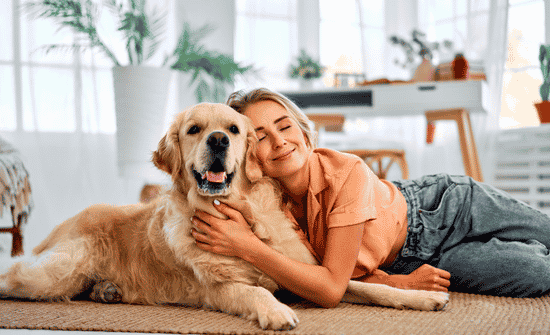
Pet safe cleaning tips for the home matter because pets do not just walk across your floors. They lick their paws, sniff corners, sleep on fabrics, and drink from bowls placed inches from cleaning residue. I learned fast that a clean-smelling house is not always a safer house.
The goal is simple. Remove dirt, fur, odors, and germs without leaving behind harsh chemical films your dog or cat can inhale, lick, or absorb through their paws. A pet-friendly home cleaning routine should protect both your surfaces and your animals.
Why Pet-Safe Cleaning Starts With Residue Control
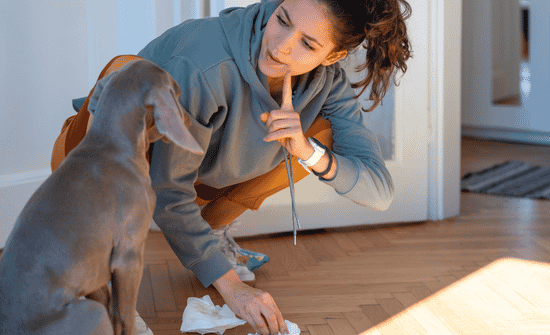
Most pet owners focus on the cleaner bottle. I focus first on the residue trail. Floors, rugs, low cabinets, sofa arms, pet beds, and feeding mats are high-contact zones. Your pet’s nose and tongue reach places adults rarely touch.
That is why I avoid strong bleach smells, ammonia-based sprays, phenol-heavy disinfectants, formaldehyde-releasing products, and heavily scented cleaners in pet areas. These products may work for certain cleaning jobs, but they need strict label use, ventilation, rinsing, and drying.
The safest mindset is not “natural means safe.” It is “clean, rinse when needed, dry fully, then let pets return.”
The Safer Cleaning Bases I Trust Around Pets
White vinegar, baking soda, mild dish soap, steam, fragrance-free detergent, and carefully used hydrogen peroxide can handle most daily messes. Commercial enzyme cleaners also deserve a place in homes with repeat urine stains.
Vinegar for Routine Cleaning, Not Heavy Disinfecting
I use diluted white vinegar for routine odor control on many hard surfaces. A 1:1 mix of white vinegar and warm water works well for everyday floor grime, paw marks, and mild smells.
Still, vinegar is not my answer for everything. It is acidic, so I do not use it on marble, granite, limestone, travertine, or other natural stone. It can dull or etch those surfaces. I also do not treat vinegar as a full disinfectant when germs are the main concern.
Baking Soda for Odor and Gentle Scrubbing
Baking soda is my favorite low-drama cleaner. It absorbs odors, lifts mild stains, and adds gentle abrasion for sinks, feeding mats, and washable surfaces.
For a stale pet bed, I sprinkle a light layer of baking soda, wait 20 minutes, and vacuum it thoroughly. I never leave loose powder where a curious pet can lick piles of it.
Hydrogen Peroxide for Stains With Caution
Hydrogen peroxide can help with stains, especially on light-colored synthetic fabrics. I use it carefully because it can act like a mild bleach. I always test it in a hidden area first.
I do not use hydrogen peroxide on natural stone, delicate fabrics, dark carpets, leather, wood finishes, or metal surfaces that may react badly.
Pet-Safe Cleaning Tips for the Home by Surface
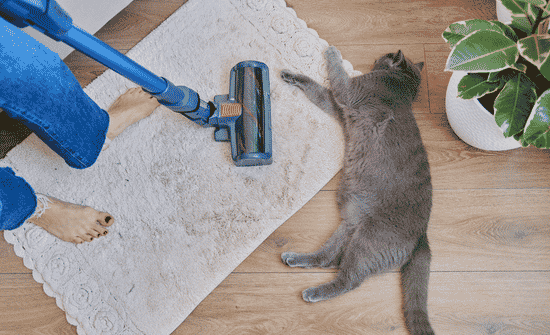
Pet safe cleaning tips for the home work best when each surface gets its own method. A floor cleaner should not be treated like a bowl cleaner. A carpet stain needs a different approach from a pet toy.
Following these practices not only protects surfaces and pets but also supports efforts to improve indoor air quality after cleaning safely, since proper product use, ventilation, and residue removal can reduce airborne irritants and chemical exposure throughout the home.
Floors Where Paws Touch Everything
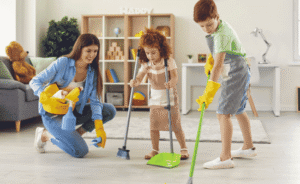
Hard floors collect fur, tracked-in dirt, saliva, dander, and outdoor chemicals. I mop tile, laminate, and sealed hard floors with a tightly wrung microfiber mop. Too much liquid can damage flooring and leave damp patches pets walk through.
For routine cleaning, diluted vinegar works on many sealed non-stone floors. For homes with sensitive pets, steam mopping is another strong option because it cleans with heated water and no added fragrance. I still let the floor dry completely before pets return.
For natural stone, I use warm water with a pH-neutral stone-safe cleaner. Vinegar, lemon, and harsh bathroom cleaners stay far away.
Carpets, Rugs, and Upholstery After Accidents
For fresh urine, I blot first. I do not scrub, because scrubbing pushes liquid deeper into fibers. After blotting, I apply a diluted vinegar solution only if the fabric allows it, then sprinkle baking soda once the area is damp, not soaked.
For deeper pet urine odor, I use an enzyme-based cleaner. Enzyme cleaners break down organic messes better than perfume sprays. I let the product work for the full label time, then keep pets away until the spot is dry.
A rubber glove or small squeegee also works surprisingly well for upholstery. I drag it across couch fabric, and embedded fur lifts faster than with a vacuum alone.
Pet Beds, Blankets, and Soft Toys
Pet beds hold body oils, dander, saliva, and outdoor dirt. I wash removable covers weekly with a fragrance-free, hypoallergenic detergent. I skip scented beads, dryer sheets, and heavy fabric softeners because they leave coatings that can irritate skin.
Soft toys need regular washing too. If a toy is torn, smells sour after washing, or has stuffing exposed, I replace it. Clean does not mean safe when a toy becomes a choking risk.
Bowls and Feeding Stations
Food and water bowls deserve daily attention. Slime inside a water bowl is not “just water residue.” It is often biofilm, which can hold bacteria.
I wash bowls with hot water and mild dish soap after meals. I also use a separate sponge or brush for pet dishes. Stainless steel and ceramic bowls are easier to keep clean than plastic because scratches in plastic can trap grime.
The feeding mat matters too. I wipe it daily, dry it fully, and keep cleaning sprays away from open food and water dishes.
Safety Rules I Never Skip While Cleaning
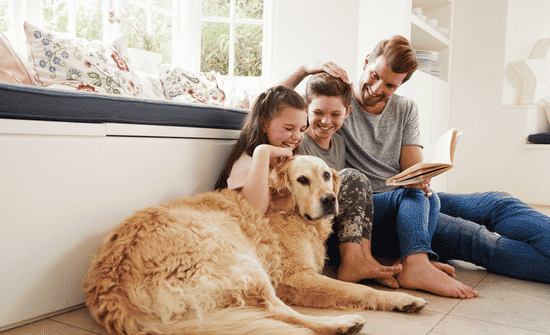
Pet safe cleaning tips for the home should always include what happens during cleaning, not only after cleaning.
I move pets to another room before I mop, spray, vacuum heavily, or clean accidents. This prevents paw contact, licking, and stress from loud machines. I open windows or run fans when a product has any scent. Even “fresh” smells can overwhelm pets with sensitive noses.
I never mix cleaners. Bleach and ammonia are the classic danger pair, but I avoid mixing any products unless a label clearly allows it. I also store cleaners in original containers, inside high or locked cabinets.
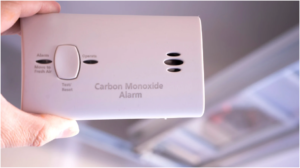
For whole-home safety, cleaning habits should sit beside other household protection steps, including carbon monoxide safety tips for homeowners, smoke alarm checks, and safe chemical storage.
My 10-Minute Pet Re-Entry Test
Here is the simple test I use before pets return to a cleaned space.
First, I touch the surface with a clean dry hand. If it feels sticky, slick, damp, or powdery, it is not ready. Next, I smell the area from pet height, not adult height. If the scent feels sharp near the floor, I ventilate longer. Finally, I wait 10 extra minutes after the surface feels dry.
This small pause prevents most residue problems. It also stops pets from walking across damp floors and licking their paws afterward.
Daily Habits That Keep Pet Mess Under Control
The cleanest pet homes do not depend on marathon scrubbing. They run on small habits.
I keep a microfiber towel near the door and wipe paws after walks. This catches mud, lawn chemicals, pollen, and sidewalk residue before it spreads. During shedding season, I brush pets in one easy-to-clean spot instead of chasing fur through every room.
A HEPA vacuum helps control dander and fine dust, especially around baseboards, rugs, sofa edges, and pet beds. I also clean the feeding area daily because crumbs and moisture attract pests.
These habits reduce the need for stronger cleaners. That is the real win.
FAQs About Pet-Safe Home Cleaning
1. What is the safest cleaner to use around dogs and cats?
Mild dish soap, baking soda, steam, and properly diluted vinegar are safe for many routine jobs when surfaces are rinsed or dried before pets return.
2. Can I mop with vinegar if I have pets?
Yes, on many sealed non-stone floors, but dilute it, avoid natural stone, and let the floor dry fully before pets walk on it.
3. Are enzyme cleaners safe for pet urine stains?
Most enzyme cleaners are useful for urine stains, but pets should stay away until the treated area is completely dry.
4. How often should I clean pet bowls?
Wash food and water bowls with hot water and dish soap after use, especially if your pet eats wet, raw, or messy food.
Final Fur-Free Verdict
Pet safe cleaning tips for the home are not about making your house smell like a lemon candle exploded. They are about removing mess without leaving behind a new problem.
My rule is simple: clean the surface, respect the label, rinse when needed, dry completely, and trust your pet’s height more than your own. If a floor, bowl, bed, or couch is safe for paws, noses, and tongues, the whole home feels better.