How to Clean Your Home Without Harsh Chemicals Safely
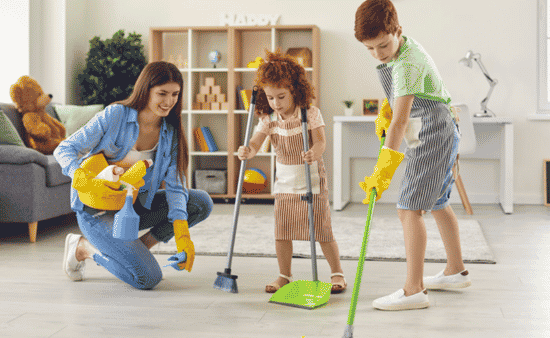
The first time I learned how to clean your home without harsh chemicals, I was not chasing a trend. I was tired of the sharp smell that hit my nose after wiping counters, scrubbing the tub, or mopping the floor.
A clean home should not leave your eyes watering. It should feel fresh, safe, and easy to live in. Over time, I found that most everyday messes do not need aggressive cleaners. They need the right method, the right surface match, and a little patience.
Why I Stopped Cleaning Everything With Strong Chemicals
My old cleaning routine had one big problem. I used the strongest product first, even when the mess was simple.
That meant I was using heavy-duty sprays for crumbs, fingerprints, dust, and light grease. The house looked clean, but the air felt worse. That is when I changed my rule: clean first, descale second, disinfect only when needed.
As I simplified my routine, I also learned how to store cleaning products safely at home by keeping them properly labeled, tightly sealed, and out of reach of children and pets, which helped create a cleaner and safer environment overall.
This simple order matters. Daily cleaning removes dirt, grease, dust, and many germs from surfaces. Disinfecting is different. It kills germs, but it is not always necessary for everyday home maintenance. If no one is sick and there has been no high-risk contamination, soap, water, and good wiping habits often do the job.
That shift made my home feel cleaner without making it smell like a supply closet.
My Non-Toxic Cleaning Supplies That Actually Work
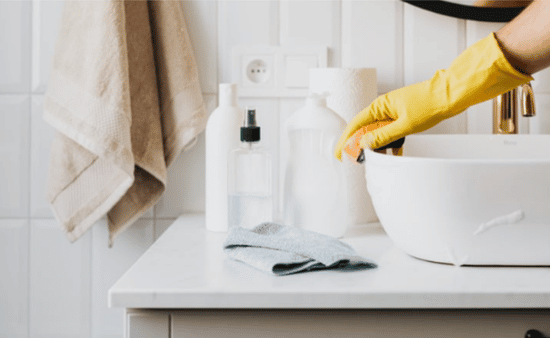
You do not need a cabinet full of products. I keep a small toolkit that handles most household cleaning without clutter.
White Vinegar for Mineral Buildup and Grease
White vinegar works well on hard-water spots, soap scum, light grease, and limescale. I use it on shower glass, faucets, some tiles, and cloudy glassware.
My basic mix is equal parts white vinegar and water in a labeled spray bottle. I spray, wait for 30 seconds, then wipe with a microfiber cloth. That short waiting time makes a real difference.
Vinegar is not safe for every surface. I never use it on marble, granite, limestone, travertine, or natural stone. It can also dull some sealed or engineered surfaces over time. For those areas, I use diluted castile soap instead.
Baking Soda for Scrubbing and Odor Control
Baking soda is my gentle scrub. It helps lift stuck-on food, tub rings, sink grime, and odors without scratching most durable surfaces.
For a paste, I mix baking soda with a few drops of water. I spread it over the mess, let it sit for 10 to 15 minutes, then scrub lightly. This works especially well on stovetop splatter and bathroom sinks.
I also use baking soda in trash cans, shoe areas, and fridge odor zones. It does not perfume the space. It helps absorb smells, which feels cleaner to me.
Castile Soap for Daily Surface Cleaning
Castile soap is my safest everyday cleaner. I use it when I want to clean without acid, especially on stone, sealed counters, painted cabinets, and finished surfaces.
A few drops in warm water is enough. More soap does not mean more clean. Too much leaves a film that attracts dust. I learned that the annoying way after wiping the same cabinet doors twice.
For daily cleaning, I dip a microfiber cloth in diluted soap water, wring it well, and wipe. Then I follow with a clean damp cloth if the surface feels slick.
Hydrogen Peroxide for Stains and Germ-Prone Spots
Hydrogen peroxide is useful for organic stains, cutting boards, grout lines, and some germ-prone spots. I use the common household 3% version and store it in its original dark bottle.
I never mix hydrogen peroxide with vinegar in one bottle. That combination can create a harsh acid. If I use both on a surface, I rinse between products and use them separately.
Hydrogen peroxide may lighten some fabrics and surfaces. I test a hidden spot first.
How to Clean Your Home Without Harsh Chemicals Room by Room
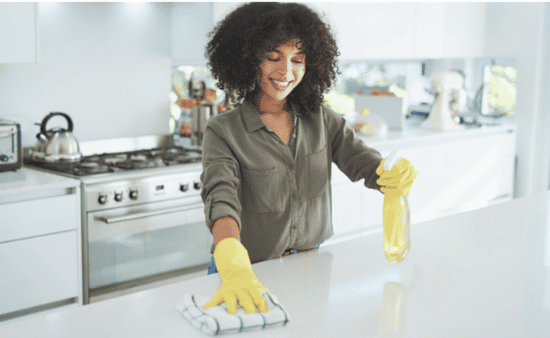
The easiest way to build the habit is to stop thinking product-first. I think room-first and mess-first.
Kitchen Cleaning Without Harsh Fumes
The kitchen needs grease control, odor control, and food-safe habits.
For counters, I use diluted castile soap on most surfaces. If the counter is not stone and has grease marks, I use a vinegar-water spray. I let it sit briefly, then wipe with microfiber.
For stovetops, I use baking soda paste. I spread it over cooked-on grease, wait 15 minutes, and wipe with a damp cloth. For stubborn spots, I repeat instead of scraping hard.
For the microwave, I use lemon steam. I place lemon slices in a bowl of water, heat it until steam forms, and let it sit for a couple of minutes. The steam softens splatter, and the lemon cuts stale odors.
For the sink, I scrub with baking soda and rinse well. For drain odor, I pour baking soda into the drain, follow with vinegar, let the fizz settle, then flush with hot water. This helps freshen the drain, but it is not a fix for serious clogs.
Bathroom Cleaning Without Bleach Overload
Bathrooms feel like they need the harshest cleaners, but most routine bathroom mess is soap scum, minerals, body oils, and moisture.
For shower glass and fixtures, I use vinegar. For stubborn hard-water spots, I soak a cloth in vinegar and lay it over the area for 20 to 30 minutes. Then I wipe and rinse.
For tubs and sinks, I sprinkle baking soda on a wet surface and scrub with a soft brush. If I want scent, I use a tiny amount of pure essential oil, but I avoid that step around pets, babies, or anyone sensitive to fragrance.
For toilets, I use baking soda and vinegar for deodorizing and stain lifting. I scrub thoroughly and flush. If someone in the house has been sick, I switch to a properly labeled disinfectant and follow the instructions.
Living Room, Windows, and Floors
Living rooms collect dust, allergens, fingerprints, and fabric odors. The secret is mechanical cleaning.
I use damp microfiber cloths instead of dry dusters. Dry dusting often moves particles around. Damp microfiber traps them better.
For windows and mirrors, I use a vinegar-water mix or rubbing alcohol diluted with water. I spray lightly and buff with a clean microfiber cloth. Too much liquid causes streaks, so less works better.
For tile, vinyl, and linoleum floors, I use warm water with a small amount of vinegar or castile soap. I avoid soaking floors. Water can damage wood, seams, and some finishes.
For carpets, I vacuum slowly with a good filter. A rushed vacuum pass leaves dust behind, especially near baseboards and under furniture edges.
The Safety Rules I Never Skip With Natural Cleaners
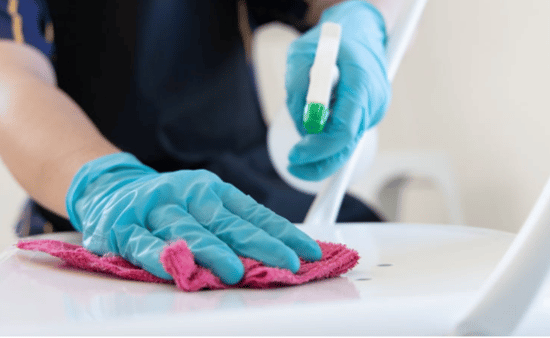
Natural does not mean risk-free. This is where many homemade cleaning guides get lazy.
I label every bottle with the ingredients and date. Homemade mixes do not need to sit around forever. I make small batches so they stay fresh.
I never mix vinegar with bleach. I also avoid mixing random cleaners in the same bottle. Even common household products can release irritating fumes when combined.
I keep cleaning products away from kids and pets, even the mild ones. I also ventilate rooms while cleaning. Opening a window or turning on an exhaust fan makes the home feel fresher fast.
My last rule is simple: match the cleaner to the surface. Vinegar belongs on mineral buildup, not stone. Baking soda belongs on durable surfaces, not delicate finishes. Soap belongs almost everywhere when diluted correctly.
When Natural Cleaning Is Not Enough
I love low-tox cleaning, but I do not pretend vinegar solves every problem.
If someone has been vomiting, has a contagious illness, or raw meat juices touch a surface, I use a proper disinfectant. I clean the surface first, then disinfect according to the label. Dirt and grease can block disinfectants from working well.
For mold larger than a small patch, recurring drain problems, sewage backups, or pest contamination, I do not rely on DIY cleaning. Those problems need stronger controls, repairs, or professional help.
This balanced approach keeps the home safer. It also prevents the biggest mistake in natural cleaning: using mild ingredients where a true disinfectant or deeper fix is needed.
FAQs
1. What is the easiest way to start cleaning without harsh chemicals?
Start with castile soap, baking soda, vinegar, and microfiber cloths, then replace one cleaner at a time.
2. Can vinegar disinfect my whole house?
No, vinegar is better for mineral buildup and grime; use an approved disinfectant when illness or high-risk germs are involved.
3. How often should I clean with natural products?
Wipe kitchen surfaces daily, clean bathrooms weekly, and deep clean high-touch spots when they look dirty or after sickness.
4. Is how to clean your home without harsh chemicals safe for homes with pets?
Yes, but avoid strong essential oils, keep products out of reach, and rinse surfaces pets may lick.
Final Sparkle: Clean Home, Less Drama
I like a home that smells like air, not chemicals. Once I learned how to clean your home without harsh chemicals, cleaning became simpler, cheaper, and less overwhelming.
Start with one swap this week. Replace your all-purpose spray with diluted castile soap or vinegar-water, depending on the surface. Keep a microfiber cloth nearby. Give natural cleaners a little dwell time before wiping.
Your home does not need a harsh chemical cloud to feel clean. It needs smarter habits, safer swaps, and a little less panic in the cleaning aisle.