Germ Prevention Tips Kids Can Learn Easily: Safer Kids
I know how quickly one cough, one shared snack, or one forgotten handwash can turn into a week of sniffles at home. Kids are naturally curious, social, and hands-on, which means germs can travel fast through classrooms, playgrounds, lunch tables, and living rooms. That is why Germ Prevention Tips Kids Can Learn Easily should feel simple, visual, and repeatable instead of scary or strict.
The goal is not to make children afraid of germs. The goal is to help them build small hygiene habits they can actually remember. When kids understand what to do before eating, after using the bathroom, after coughing, and after playtime, they become more confident about protecting themselves and the people around them.
Why Kids Need Simple Germ Prevention Habits
Children learn best through repetition, examples, and routines. A long lecture about bacteria and viruses may not stick, but a short phrase like “wash, cover, toss, and don’t share” can become part of daily life. Germ prevention works better when it is connected to moments kids already understand, such as snack time, bathroom breaks, recess, school pickup, and bedtime.
Germs spread when children touch contaminated surfaces, cough into their hands, rub their eyes, share personal items, or forget to wash before eating. Because kids spend so much time close to one another, simple hygiene habits can make a big difference in reducing everyday illness at home and school.
Explain Germs Without Scaring Children
Kids do not need a complicated science lesson. A simple explanation works best: germs are tiny living things that are too small to see, and some of them can make people sick. They can ride on hands, toys, desks, doorknobs, lunch boxes, and water bottles.
To make this idea easier, parents can compare germs to invisible glitter. If glitter gets on one hand, it can spread to the table, toys, clothes, and other people. Germs can spread the same way, even when hands look clean. This helps children understand why washing matters before they can see the problem.
Teach the 20-Second Handwashing Rule
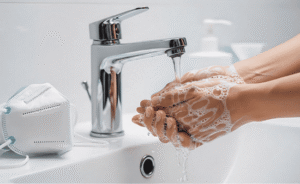
Handwashing is an important germ prevention habit children can learn. Kids should wet their hands, add soap, rub palms together, clean the backs of hands, scrub between fingers, clean under nails, rinse well, and dry with a clean towel.
The 20-second rule becomes easier when kids use a song, rhyme, or countdown. Singing “Happy Birthday” twice is a classic option, but any short favorite song can work. The key is to make the timing fun enough that children do not rush.
Kids should wash their hands before eating, after using the bathroom, after blowing their nose, after coughing or sneezing, after touching pets, after outdoor play, and when they come home from school or daycare.
Make Coughing and Sneezing Easy to Remember
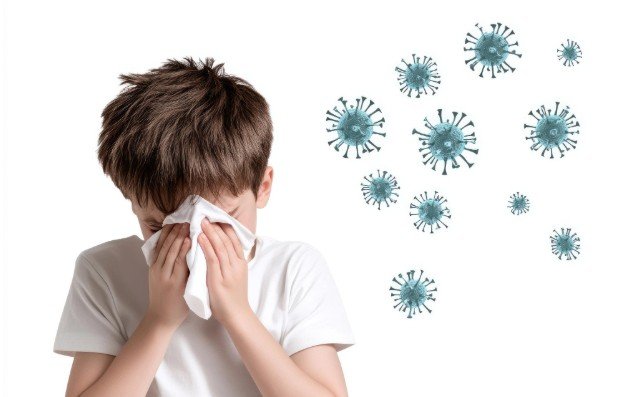
Children often cough or sneeze into their hands because it feels natural. Teach them to use a tissue when one is available. After using it, they should throw it away and wash their hands. When a tissue is not nearby, coughing or sneezing into the elbow is a better choice than using bare hands.
A simple phrase helps: “Cover, toss, wash.” Cover the cough, toss the tissue, and wash the hands. Repeating this phrase makes the habit easier to remember in classrooms, cars, stores, and playdates.
Stop the Face-Touching Habit Gently
Kids touch their faces often without realizing it. Eyes, nose, and mouth are common entry points for germs, so this habit matters. Instead of constantly saying “don’t touch your face,” give children a replacement action. They can use a tissue for an itchy nose, wash hands before rubbing eyes, or ask an adult for help.
You can also turn it into a game. During homework or story time, ask kids to notice how many times they almost touch their face. This builds awareness without shame and helps them learn how to use household cleaning products safely around shared spaces.
Teach Kids Not to Share Personal Items
Sharing is usually a good habit, but some items should stay personal. Children should learn not to share water bottles, straws, forks, spoons, cups, lip balm, towels, hats, hairbrushes, earbuds, or toothbrushes.
The message should be positive, not rude. Teach kids simple scripts like, “I have my own bottle,” or “Let’s not share drinks.” These short phrases help children set boundaries without feeling embarrassed.
Create Germ-Smart School Routines
School routines should be easy enough for kids to follow without constant reminders. A daily toddler routine might start with washing hands when arriving home, keeping a personal water bottle labeled, using tissues properly, and telling an adult when they feel sick.
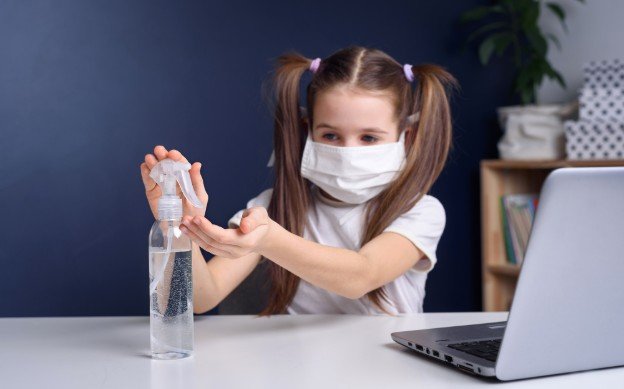
Backpacks can also carry small hygiene helpers, such as tissues and travel-size sanitizer for times when soap and water are not available. Young children should use sanitizer only with adult supervision. Soap and water should remain the first choice whenever hands are visibly dirty or greasy.
Keep Home Habits Simple and Consistent
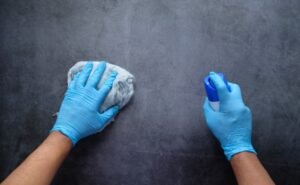
At home, germ prevention should feel like part of the normal rhythm. Ask kids to wash hands before meals, after bathroom trips, after school, and after touching pets. Clean high-touch spots regularly, including doorknobs, light switches, faucet handles, remote controls, tablet screens, and lunch containers.
Bathrooms and kitchens need special attention because germs can spread through food prep, shared towels, and sink areas. Children can help by placing used tissues in the trash, putting dirty clothes in the hamper, and keeping personal items separate.
Use Fun Activities to Make Germ Lessons Stick
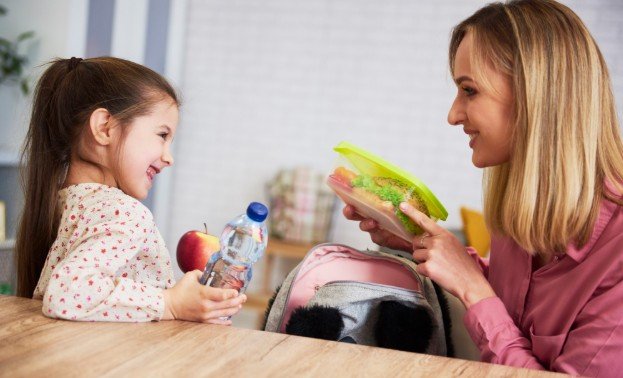
Fun activities help kids understand invisible germs. The glitter germ activity is simple: put a small amount of glitter on one child’s hand, let them touch a few objects, and then show how far the glitter spreads. After that, practice washing until the glitter is gone.
The pepper and soap activity is another useful visual. Sprinkle pepper on water, then let the child touch the surface with a soapy finger. Watching the pepper move away helps them connect soap with cleaning power.
A bread experiment can also work with older kids. Touch one slice with unwashed hands, another with washed hands, and leave one untouched. Over several days, children can observe the difference and understand why clean hands matter.
Model the Habits You Want Kids to Copy
Children notice what adults do more than what adults say. If parents wash hands before meals, cover coughs, avoid sharing drinks, and stay home when sick, kids are more likely to follow. Praise also works better than criticism. A simple “Great job washing for the full 20 seconds” can build confidence.
Germ prevention should feel like teamwork. The family is not trying to be perfect; everyone is learning small habits that protect the whole household.
Frequently Asked Questions
1. What are Germ Prevention Tips Kids Can Learn Easily for school?
Germ Prevention Tips Kids Can Learn Easily include washing hands before lunch, covering coughs, using tissues, not sharing bottles, and telling a teacher when they feel sick.
2. How do I explain germs to a young child?
Say germs are tiny things we cannot see, and some can make us sick, so washing hands helps send them away.
3. How long should children wash their hands?
Children should scrub with soap and water for at least 20 seconds, especially before eating and after using the bathroom.
4. Is sanitizer safe for kids?
Sanitizer can help when soap and water are not available, but young children should use it with adult supervision.
Final Thoughts
I believe germ prevention works best when it feels practical, calm, and easy for children to repeat every day. Kids do not need fear-based warnings to learn healthy habits. They need simple words, fun examples, patient reminders, and adults who show them what good hygiene looks like.
When families focus on handwashing, cough etiquette, personal items, clean routines, and school habits, children become more prepared for everyday germ exposure. Germ Prevention Tips Kids Can Learn Easily can turn small daily actions into lifelong hygiene habits that help everyone feel safer, cleaner, and more confident.