When Should You Wear Gloves for Cleaning and Hygiene?
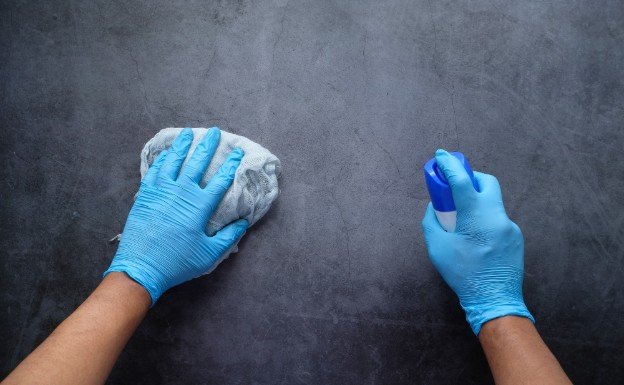
I used to think cleaning gloves were only needed for scrubbing toilets or handling bleach. Over time, I realized the better question is not whether gloves are useful, but when they actually protect you. When Should You Wear Gloves for Cleaning and Hygiene? The answer depends on the mess, the cleaner, the surface, and the chance of spreading germs from one area to another.
Gloves can protect your skin from harsh products, hot water, grime, bacteria, body fluids, pet messes, and repeated wet work. However, gloves are not magic. If you touch a dirty toilet handle, then grab your phone or wipe a kitchen counter with the same gloves, you may spread germs instead of stopping them. That is why smart glove use matters more than simply wearing any pair for every chore.
Why Gloves Matter for Everyday Cleaning
Gloves create a barrier between your hands and the things you do not want on your skin. This includes cleaning chemicals, grease, food residue, mold, dust, trash, and bathroom germs. For many households, gloves are also helpful because repeated dishwashing, disinfecting, and scrubbing can dry out the skin and weaken the natural skin barrier.
Cleaning products may look harmless when they are used daily, but some can irritate skin after repeated contact. Disinfectants like bleach-based products, degreasers, oven cleaners, bathroom sprays, and strong stain removers deserve extra care. Even mild soap and hot water can cause dryness when your hands are exposed again and again.
Gloves are also useful for hygiene because they remind you that a task is dirty. When you put them on before cleaning a toilet, handling trash, or wiping up pet waste, you are more likely to separate that job from cleaner areas of the home.
When You Should Always Wear Gloves
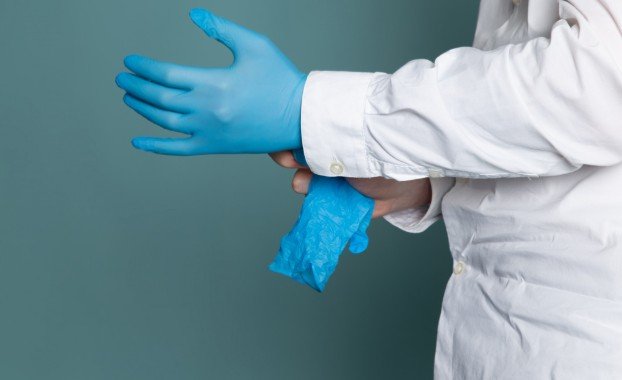
You should wear gloves when cleaning bathrooms, especially toilets, sinks, shower drains, tubs, and floors near the toilet. These areas may contain germs, body residue, soap scum, hair, and cleaning chemicals. Gloves help protect your hands while also making it easier to scrub thoroughly without hesitation.
Gloves are also important when using disinfectants or strong cleaners. If a label says to wear gloves, follow that instruction every time. Labels often explain how long the product should stay wet on the surface, whether ventilation is needed, and what protective gear is recommended. Ignoring those details can lead to skin irritation, eye irritation, or unsafe chemical exposure.
Wear gloves when washing dishes for long periods, especially with hot water. This is not only about germs. Hot water and dish soap can strip moisture from your hands, leaving them rough, itchy, or cracked. Reusable rubber gloves can make this daily task much easier on your skin.
You should also wear gloves when cleaning trash cans, pet accidents, litter boxes, moldy areas, drains, greasy stovetops, outdoor bins, and any surface with unknown grime. These jobs involve higher contact with bacteria, odors, moisture, and residue that should not touch bare skin. Gloves can also support cold and flu prevention tips by reducing direct contact with contaminated surfaces during routine cleaning.
Gloves for Kitchen Hygiene and Food Safety
The kitchen needs careful judgment because gloves can either help hygiene or hurt it. Gloves are useful when handling raw meat, cleaning cutting boards, wiping up raw chicken juice, or sanitizing food prep surfaces. They help create a barrier while you deal with bacteria-prone messes.
However, gloves should be changed between tasks. A disposable glove used to handle raw meat should not be used to open cabinets, touch spice jars, grab a towel, or clean another surface. The same rule applies to reusable gloves. If you use one pair for raw food cleanup, do not use that same pair later for dishes or general counter wiping unless it has been properly washed and dried.
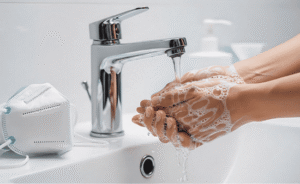
Handwashing still matters before and after glove use. Gloves reduce contact, but they do not replace clean hands. Tiny tears, poor removal, sweaty hands, and contaminated glove surfaces can still create hygiene problems.
When Gloves Are Optional
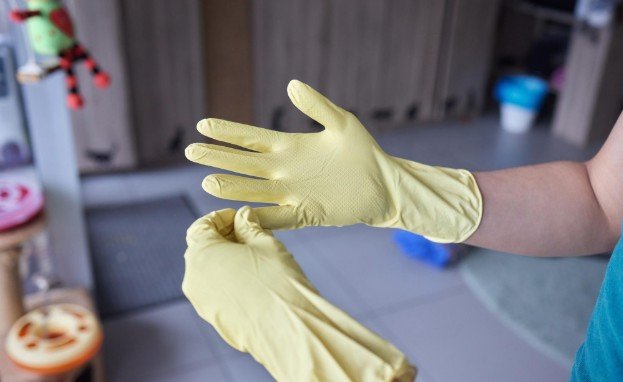
Gloves are optional for household chores such as dusting a clean shelf, sweeping, vacuuming, folding laundry, organizing a drawer, or wiping a lightly dusty surface with a mild cleaner. In these cases, washing your hands afterward may be enough.
You may also skip gloves for quick cleaning jobs if you are using gentle products and your skin is not sensitive. Still, if your hands are dry, cracked, irritated, or prone to eczema, wearing gloves for even simple wet chores may help prevent discomfort.
The key is to match the protection to the task. Not every chore requires gloves, but every messy, wet, chemical-heavy, or germ-prone chore deserves them.
Choosing the Right Cleaning Gloves
Reusable rubber gloves work well for dishwashing, bathroom cleaning, and general household scrubbing. They are durable, easy to rinse, and better for repeated chores. A cotton-lined pair can feel more comfortable if your hands sweat or get irritated easily.
Disposable nitrile gloves are useful for short, messy, or hygiene-sensitive jobs such as cleaning pet accidents, handling raw meat messes, or disinfecting surfaces. Nitrile is often preferred because it is strong and resistant to many common cleaning situations.
Latex gloves can be flexible and comfortable, but some people have latex allergies or skin reactions. Vinyl gloves may work for light tasks, but they are not always the best choice for stronger cleaning jobs because they can tear more easily.
For strong chemicals, the safest glove is the one recommended by the product label. One glove material does not protect against everything. If a cleaner is harsh, acidic, bleach-based, or industrial-strength, check the label before choosing gloves.
Common Glove Mistakes That Spread Germs
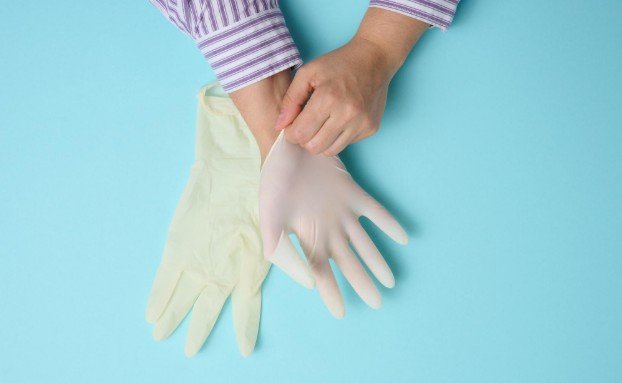
One of the biggest mistakes is using the same gloves everywhere. Bathroom gloves should not become kitchen gloves. Trash gloves should not become dishwashing gloves. A simple color system can help. For example, one color for bathrooms, one for kitchens, and one for general cleaning.
Another mistake is touching personal items while wearing dirty gloves. Phones, cabinet handles, faucets, light switches, and door handles can become contaminated if you touch them during cleaning. Remove gloves first, wash your hands, and then handle clean items.
Reusing disposable gloves is another problem. Disposable gloves are meant for one task and should be thrown away after use. Reusable gloves should be washed, dried, and stored properly so moisture does not build up inside.
You should also avoid wearing gloves for too long. Hands can sweat inside gloves, and trapped moisture may irritate skin. If you are cleaning for an extended time, take breaks, dry your hands, and switch gloves if needed.
How to Remove and Store Gloves Safely
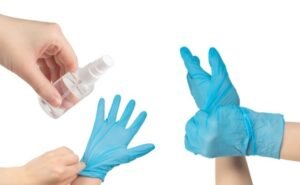
Remove gloves without touching the dirty outside surface with your bare hands. Peel one glove off from the wrist, hold it inside the gloved hand, then slide bare fingers under the wrist of the second glove and peel it off inside out. Throw away disposable gloves immediately.
For reusable gloves, rinse the outside while still wearing them, remove them carefully, and let them dry fully before storing. Do not toss damp gloves under the sink where they can trap moisture and odors. Keep separate pairs for different cleaning zones.
After removing any gloves, wash your hands with soap and water. This final step protects you from anything transferred during glove removal.
Frequently Asked Questions
1. When Should You Wear Gloves for Cleaning and Hygiene?
Wear gloves when cleaning bathrooms, handling chemicals, disinfecting, washing dishes, touching trash, cleaning pet messes, or dealing with raw food residue.
2. Should I wash my hands after wearing gloves?
Yes, always wash your hands after removing gloves because germs or chemicals can transfer during removal.
3. Are reusable gloves better than disposable gloves?
Reusable gloves are better for repeated cleaning tasks, while disposable gloves are better for short, messy, or hygiene-sensitive jobs.
4. Can cleaning gloves spread germs?
Yes, gloves can spread germs if you use the same pair across bathrooms, kitchens, phones, handles, and clean surfaces.
Final Thoughts
I believe gloves are one of the simplest ways to make home cleaning safer, but only when they are used with common sense. When Should You Wear Gloves for Cleaning and Hygiene? Wear them for chemicals, bathroom tasks, food messes, pet cleanup, trash, grime, and long wet chores. Skip them for simple dry tasks if your skin is healthy and the job is low risk.
The goal is not to wear gloves all day. The goal is to know when your hands need protection, when germs need containment, and when a fresh pair can stop one dirty job from spreading into the next clean space.