Basic Food Safety Habits for Everyday Family Meals
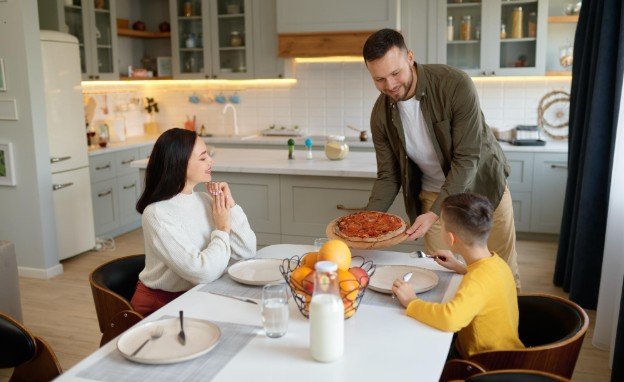
When I think about family meals, I usually think about comfort, routine, and the people sitting around the table. But I also know that a safe meal begins long before the food is served. The small choices made while washing hands, handling raw ingredients, cooking meat, cooling leftovers, and cleaning counters can decide whether dinner stays healthy or becomes risky. That is why Basic Food Safety Habits for Everyday Family Meals matter so much in a busy home kitchen.
Food safety does not have to feel complicated. Most problems come from simple mistakes such as using the same cutting board for raw chicken and vegetables, leaving cooked food out too long, rinsing meat in the sink, or guessing whether food is fully cooked. A safer kitchen is built through repeatable habits that everyone in the family can understand.
Why Food Safety Matters at Home
Foodborne illness can happen in any kitchen, even when food looks fresh, smells normal, and tastes fine. Harmful bacteria can spread through hands, utensils, cutting boards, countertops, dishcloths, and raw foods. The risk is higher when meals include raw meat, poultry, seafood, eggs, dairy, cooked rice, cut fruit, or leftovers.
Families also need to be extra careful when meals are served to young children, older adults, pregnant people, or anyone with a weaker immune system. These family members can become sick more easily from contaminated food, which is why germ prevention tips kids can learn easily should also include basic kitchen habits. The good news is that most home kitchen risks can be reduced with four practical habits: clean, separate, cook, and chill.
Start With Clean Hands and Surfaces
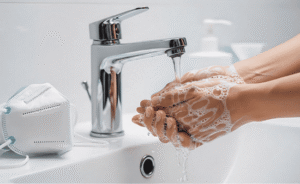
Clean hands are the first defense against germs in the kitchen. Hands should be washed with soap and running water before cooking, after touching raw meat or eggs, after using the bathroom, after handling pets, and after touching trash or phones. A quick rinse is not enough. A proper wash should include the palms, backs of hands, fingers, nails, and wrists.
Kitchen surfaces need the same attention. Counters, cutting boards, knives, sink handles, and cabinet pulls can all collect germs during meal prep. Wiping with a dirty sponge can spread bacteria instead of removing it, so dishcloths, towels, and sponges should be cleaned or replaced regularly. Produce should be rinsed under running water before cutting, even when the peel will not be eaten, because germs on the outside can move inside when sliced.
Separate Raw and Ready-to-Eat Foods
Cross-contamination is one of the most common food safety mistakes at home. It happens when germs from raw meat, poultry, seafood, or eggs spread to foods that are already cooked or ready to eat. A salad, sandwich, fruit bowl, or cooked side dish can become unsafe if it touches a contaminated board, knife, hand, or plate.
A simple way to prevent this is to keep raw and ready-to-eat foods separate from the grocery cart to the refrigerator and all the way through cooking. Raw meat should be placed in sealed bags at the store and stored on the lowest refrigerator shelf so juices do not drip onto other foods. Use separate cutting boards when possible, or wash boards, knives, and counters thoroughly before switching ingredients.
Cook Food to Safe Temperatures
Color is not a reliable way to judge whether food is safe. Chicken can look cooked before it reaches a safe internal temperature, and burgers can turn brown while harmful bacteria remain inside. A food thermometer is one of the most useful tools for everyday cooking because it removes guessing.
Poultry should reach 165°F. Ground meats should reach 160°F. Whole cuts of beef, pork, lamb, and veal should reach 145°F with a short rest time before serving. Fish should cook until it reaches 145°F or flakes easily with a fork. Leftovers should be reheated to 165°F so they are hot enough throughout, not just warm on the edges.
Chill Leftovers Before Bacteria Grow
Cooked food should not sit out for hours after a meal. Bacteria grow faster when food stays in the danger zone between cold storage and hot holding temperatures. As a simple rule, leftovers should be refrigerated within two hours. If the room is very warm, food should be chilled sooner.
Large portions cool slowly, so soups, casseroles, rice, pasta, and stews should be divided into shallow containers before going into the refrigerator. Containers should be covered, labeled if needed, and placed where cold air can circulate. Leftovers are usually best used within a few days, and anything that smells strange, looks slimy, or has been forgotten too long should be thrown away.
Build Safer Family Meal Routines
The safest kitchens run on routines. Before cooking, clear the counter, wash hands, check ingredients, and set out separate tools for raw and ready-to-eat foods. During cooking, clean spills quickly, keep raw foods away from cooked foods, and use a thermometer for meat, poultry, seafood, and reheated dishes. After eating, store leftovers quickly and clean the surfaces that handled food.
Children can also learn safe habits in simple ways. They can wash fruits, set clean plates, remind others to wash hands, and learn that raw dough, raw eggs, and undercooked meats are not safe to taste. Food safety becomes easier when it feels like a family routine instead of a rule only one person has to remember.
Common Kitchen Mistakes to Avoid
One common mistake is washing raw chicken or meat in the sink. This can splash bacteria onto counters, faucets, nearby dishes, and other foods. Cooking to the correct temperature is safer than rinsing raw meat. Another mistake is reusing a plate that held raw meat for cooked food. A clean plate should always be used after cooking.
It is also risky to thaw frozen food on the counter for several hours. Safer thawing methods include using the refrigerator, cold water with proper attention, or the microwave when the food will be cooked right away. Families should also avoid tasting food to check whether it is spoiled. When there is real doubt, throwing it away is safer than taking a chance.
How to Make Food Safety Easier Every Day
Food safety works best when the kitchen is set up for success. Keep a food thermometer easy to reach, store raw meat in storage containers, keep clean towels available, and use clear containers for leftovers. Make refrigerator checks part of the weekly routine so expired foods, old leftovers, and leaking packages do not create hidden risks.
Meal planning can also help. When families know what they will cook, they can thaw food safely, avoid rushed shortcuts, and store ingredients correctly. A calm cooking routine is usually a safer cooking routine.
Frequently Asked Questions
1. What are Basic Food Safety Habits for Everyday Family Meals?
They are simple daily kitchen habits such as washing hands, separating raw foods, cooking to safe temperatures, chilling leftovers quickly, and cleaning food prep areas.
2. How long can cooked food stay out after dinner?
Cooked food should usually be refrigerated within two hours, or sooner when the room is very warm.
3. Is it safe to wash raw chicken before cooking?
No. Washing raw chicken can spread germs around the sink and counter. Proper cooking is the safer way to kill harmful bacteria.
4. Do I really need a food thermometer at home?
Yes. A thermometer is the most reliable way to know whether meat, poultry, seafood, and reheated leftovers have reached a safe temperature.
Final Takeaways
I believe a safer kitchen is not built by fear. It is built by small habits that happen every day without much effort. When I wash my hands, keep raw foods separate, use a thermometer, chill leftovers quickly, and teach the family to follow the same routine, meals feel more comfortable and dependable.
Good food safety does not make home cooking harder. It makes it more confident. With the right habits, every family meal can be cleaner, safer, and easier to enjoy.