Everyday Cold and Flu Prevention Tips for Families

I know how quickly one cough can become a week of missed school, tired parents, tissues, and restless nights. That is why Everyday Cold and Flu Prevention Tips for Families should feel simple enough to follow on a rushed morning, not like a complicated medical checklist. The goal is to build habits that lower the chance of illness spreading.
Why Cold and Flu Prevention Starts at Home
A family home has many shared touchpoints. Door handles, faucets, remotes, phones, lunch boxes, backpacks, toys, towels, and kitchen counters can all become part of the germ trail. Children also bring germs home from classrooms, daycare rooms, playgrounds, buses, sports, and playdates. Prevention works best before someone gets sick.
Build a Daily Handwashing Routine
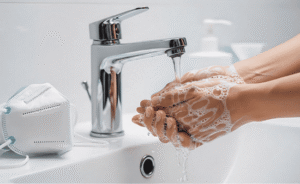
Handwashing is one of the strongest everyday defenses. Teach kids to wash with soap and running water for at least 20 seconds, especially after coughing, sneezing, using the bathroom, coming home from school, touching pets, and before eating.
Teach Better Cough and Sneeze Habits
Coughing into open hands spreads germs fast because hands immediately touch toys, screens, doorknobs, and food. A better habit is coughing or sneezing into a tissue, throwing it away right away, and washing hands afterward. When a tissue is not available, the elbow is better than the hand.
For younger kids, a phrase like “cover, toss, wash” can make the habit stick. Keep tissues in bedrooms, the car, school bags, and living areas.
Clean High-Touch Surfaces Without Overdoing It
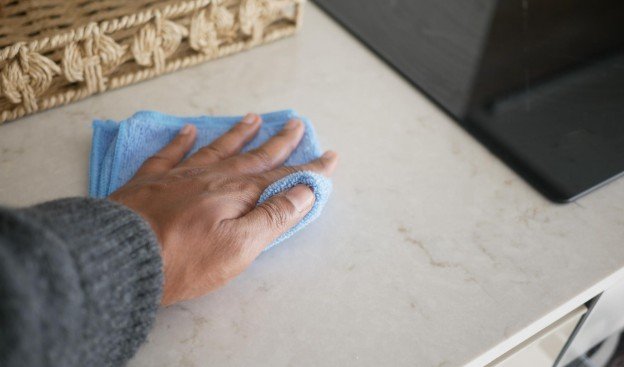
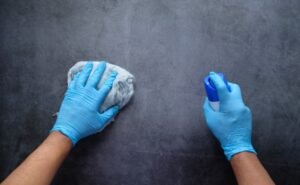
A cleaner home does not need to smell like chemicals. Focus on high-touch areas instead of trying to maintain a healthy home. Wipe doorknobs, light switches, faucet handles, remotes, phones, tablets, keyboards, countertops, and refrigerator handles more often during cold and flu season.
Toys also need attention, especially if younger children put them in their mouths. Wash soft toys when possible and clean hard toys with products suitable for the material. Always follow product directions and avoid mixing cleaning products.
Stop Germs from Spreading Through Shared Items
Sharing is usually a good family value, but not during cold and flu season. Cups, water bottles, forks, spoons, towels, lip balm, pillows, blankets, and toothbrushes should stay separate, especially when one child is already coughing or has a runny nose.
Make School and Daycare Routines Safer
School and daycare germs are hard to avoid, but small habits help. Ask kids to wash hands when they get home before snacks, screen time, or homework. Lunch boxes and reusable bottles should be washed daily. Backpacks can be wiped down when visibly dirty.
Teach children not to share food, straws, utensils, or drinks with friends. For younger kids, practice simple phrases they can use politely, such as “I have my own bottle.”
Support the Body With Sleep, Food, and Flu Protection
Annual flu vaccination is important for eligible children and adults because flu can cause serious illness. A flu shot does not prevent every cold, but it helps reduce the risk of flu and severe complications.
What to Do When Someone Gets Sick
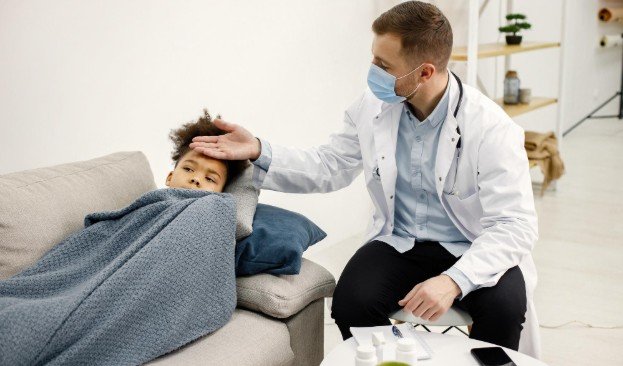
When someone in the house has symptoms, act quickly. Create a sick-day space if possible, give the person their own cup and towel, improve airflow by opening windows when safe, and clean shared bathroom and kitchen surfaces more often.
Keep the sick person away from close contact as much as practical. Avoid sharing pillows or letting siblings drink from the same cup. Wash hands after helping with tissues, medicine, or thermometers.
When to Keep Kids Home or Call a Doctor
Children should stay home when they have a fever, worsening symptoms, vomiting, diarrhea, severe fatigue, or symptoms that make it hard to participate in school or daycare. A good rule is to return only when symptoms are improving and fever has gone for at least 24 hours without fever-reducing medicine.
Call a doctor if a child has trouble breathing, dehydration signs, persistent high fever, chest pain, unusual sleepiness, or symptoms that improve and then suddenly get worse.
Frequently Asked Questions
1. What are Everyday Cold and Flu Prevention Tips for Families?
They are daily habits like handwashing, cough covering, cleaning shared surfaces, avoiding shared cups, improving airflow, and keeping sick children home.
2. How can I stop germs from spreading at home?
Separate cups and towels, clean high-touch surfaces, wash hands often, throw tissues away quickly, and reduce close contact when someone is sick.
3. Should kids go to school with mild cold symptoms?
Mild symptoms may be manageable, but children should stay home with fever, vomiting, diarrhea, worsening symptoms, or symptoms that affect participation.
4. Does the flu shot prevent every cold?
No, the flu shot helps protect against flu, but it does not prevent every cold or every respiratory virus.
Final Thoughts
I believe the best prevention plan is the one a real family can repeat without stress. These habits are not about perfection. They are about making handwashing, cough habits, smart cleaning, separate personal items, flu protection, and sick-day choices part of normal life.
When parents build these habits early, the whole household feels more prepared. Illness may still happen, but a steady routine can reduce spread and make cold and flu season feel less chaotic.