Home Socks: How to Choose the Comfiest Indoor Pair
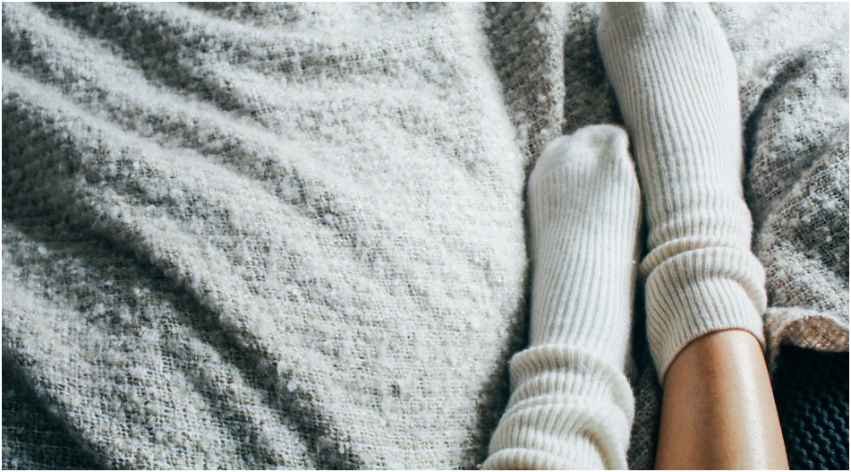
Home socks can change how your feet feel at the end of a long day. I started caring about them after slipping once on a polished kitchen floor while wearing regular cotton socks. Since then, I treat indoor socks like small comfort gear, not an afterthought.
The right pair should do three things well. It should feel soft, keep your feet warm, and give enough grip for your floors. That matters even more if you live with kids, older adults, pets, stairs, tile, hardwood, or cold winter mornings.
Why Home Socks Deserve More Attention Than Regular Socks
Regular socks are usually made for shoes. Home socks are made for indoor movement, lounging, warmth, and floor contact. That difference changes everything.
A basic outdoor sock may feel fine inside sneakers, but it can slide on laminate or tile. It may also feel thin when you sit on the couch for hours. Good indoor socks usually use thicker fabrics, plush linings, or textured soles. Some feel like slippers. Others feel like soft sleep socks with better structure.
I also look at them as part of home safety. Bare feet can feel cold. Standard socks can be slippery. Loose slippers can flop around. Home socks sit in the useful middle when they fit well and include the right sole grip.
The Main Types of Home Socks and When I Use Each One
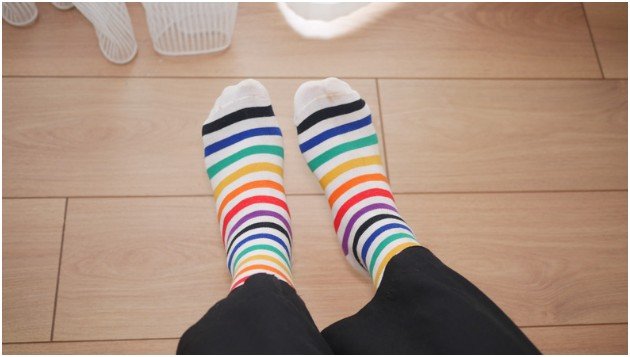
Not every pair works for every room. I separate them by purpose before I buy. That one habit has saved me from wasting money on socks that looked cozy but failed on real floors.
Fuzzy and Bed Socks for Soft Lounging
Fuzzy and bed socks focus on softness first. They are usually made with plush yarns, fleece textures, velvet-like knits, or fluffy polyester blends. I use them when I am reading in bed, watching TV, or resting after a shower.
Their biggest strength is comfort. They feel light, warm, and cloud-like. Their weakness is traction. Many fuzzy pairs do not grip well unless they include anti-skid dots on the sole. I avoid wearing plain fuzzy socks on stairs or slick floors.
These are best for bedrooms, carpeted rooms, and quiet evenings. If you sleep with cold feet, they can feel amazing. Just choose a breathable pair so your feet do not wake up damp.
Gripper Slipper Socks for Smooth Floors
Gripper slipper socks are my favorite everyday option. They combine the flexibility of socks with the floor grip of slippers. The bottom usually includes silicone or rubber dots, lines, waves, or full traction panels.
I reach for this type on hardwood, tile, vinyl, and laminate. The grip gives better control when walking from the kitchen to the living room. A good pair should bend with your foot but not twist around it.
Look for dense grip coverage under the heel, ball of the foot, and toes. Thin grip dots only in the middle of the sole may not help enough during turns. I also prefer pairs with a snug cuff because loose socks can slide down and bunch under the foot.
Thermal and Woolen House Socks for Cold Feet
Thermal and woolen house socks are built for warmth. They often use Merino wool, alpaca blends, thick acrylic, Sherpa lining, or Borg fleece interiors. I use them during cold mornings, winter work-from-home days, and evenings when the floor feels icy.
Wool blends can be especially useful because they help manage warmth and moisture. Thick fleece feels cozy, but it may trap sweat if the sock lacks breathability. For all-day indoor wear, I usually prefer a blend over a fully synthetic plush sock.
If your feet get cold often, choose cushioning around the sole and toes. If your feet sweat easily, choose a breathable wool mix or moisture-wicking synthetic blend instead of the thickest pair on the shelf.
Core Features I Check Before Buying Indoor Socks
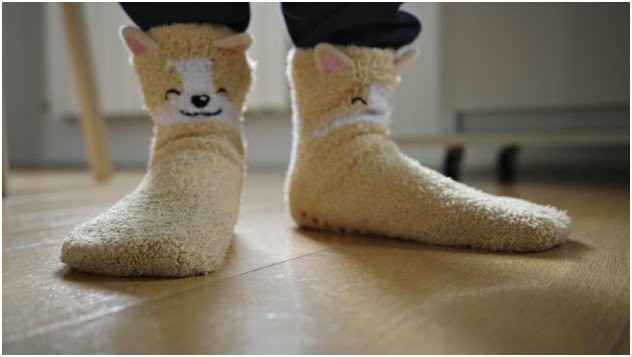
A cute pattern is nice, but it should never be the main reason to buy. I check grip, material, fit, and care instructions first. These details decide whether the socks become a daily favorite or sit untouched in a drawer.
Safety Grip for Hardwood, Tile, and Laminate
Grip matters most on smooth floors. I look for high-density silicone patterns across the full sole. Dots, honeycomb shapes, chevrons, and wavy lines can all work if they cover the pressure points.
The grip should feel slightly raised. If the dots feel flat or painted on, they may wear down quickly. I also avoid oversized pairs because extra fabric can fold under the foot. That can make even grippy socks feel unstable.
For older adults, grip is not just a comfort detail. It is a safety feature. A pair that fits securely and supports confident steps can make indoor movement feel less risky.
Breathable Materials That Stay Warm Without Sweat
Warmth should not mean damp feet. Sweat trapped inside thick socks can cause odor, discomfort, and chills once the moisture cools.
For balanced comfort, I like wool blends, cotton-polyester blends, or synthetic fibers designed to wick moisture. Merino wool is a strong choice for winter because it feels warm without always feeling heavy. Cotton can feel soft, but thick cotton may hold moisture longer than wool or performance blends.
If I am buying Home socks for all-day wear, I check the material label before the design. The best pair should feel warm while still allowing airflow.
Easy Care That Keeps the Plush Feel Alive
Some indoor socks look great until the first wash. Then the lining flattens, the grip peels, or the cuff stretches.
I check whether the socks are machine-washable. If they contain wool, Sherpa, or delicate plush lining, I use cold water and gentle washing. I also avoid high heat because it can damage fibers, shrink wool, and weaken rubber grips.
For gripper styles, I turn them inside out only if the brand allows it. I also air dry when possible. It takes longer, but it helps the grip last.
My 30-Second Floor Test Before Choosing a Pair
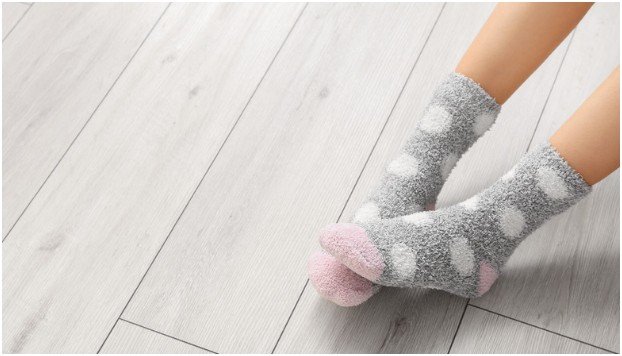
I use a simple floor-first method. Before choosing Home socks, I think about the slipperiest surface in my home. For many people, that is bathroom tile, kitchen flooring, polished hardwood, or stairs.
Then I ask three quick questions. Will I wear these while walking, or only while resting? Does the sole have grip where my foot actually presses down? Does the fabric fit snugly without squeezing?
Here is my usual example. For bed and couch use, I choose fuzzy socks. For the kitchen and hallway, I choose gripper slipper socks. For winter desk work, I choose woolen thermal socks with a textured sole.
That small test works better than shopping by style alone.
Best Home Socks by Room and Lifestyle
For the bedroom, choose soft bed socks with light warmth. A non-binding cuff helps if you dislike tight ankles.
For the living room, choose plush socks with a little grip. You want comfort for lounging and enough traction when standing up quickly.
For the kitchen, choose gripper slipper socks. Kitchens often have smooth floors, dropped water, and quick turns.
For work-from-home days, choose breathable thermal socks. Your feet stay warm under the desk without overheating after lunch.
For seniors, choose secure gripper socks with a proper fit. Avoid loose, oversized, or floppy styles.
For cold climates, choose woolen or fleece-lined socks. Make sure the fabric still manages moisture.
For gifting, choose a three-pair mix. Include one fuzzy pair, one gripper pair, and one thermal pair. It feels more useful than a single novelty design.
Common Mistakes to Avoid When Buying Home Socks
The first mistake is buying only for softness. Very soft socks can still be slippery. If the floor is smooth, grip matters more.
The second mistake is choosing one-size-fits-all pairs without checking stretch. A poor fit can bunch, twist, or slide.
The third mistake is ignoring washing instructions. Plush interiors and rubber grips need gentle care.
The fourth mistake is using thick socks inside tight slippers. That can squeeze toes and reduce comfort.
The fifth mistake is assuming all warm socks breathe well. Thick does not always mean comfortable. A breathable blend usually performs better for long wear.
If you already think about safety gear for daily tasks, the same logic applies to comfort products. For example, hand protection matters when your hands face friction, cold, or harsh surfaces. Home socks do the same job for your feet indoors.
FAQs About Home Socks
1. What are Home socks used for?
Home socks are used for indoor warmth, comfort, lounging, and safer walking on smooth household floors.
2. Are gripper socks better than slippers?
Gripper socks can feel lighter and more flexible than slippers, but supportive slippers may be better for people who need more structure.
3. What material is best for warm indoor socks?
Merino wool blends, fleece-lined fabrics, and breathable thermal knits are strong options for warm indoor socks.
4. Can I sleep in fuzzy socks?
Yes, you can sleep in fuzzy socks if they fit comfortably, breathe well, and do not feel tight around your ankles.
The Cozy Final Word: Your Feet Deserve Better
I used to treat indoor socks like random drawer fillers. Now I see them as small upgrades that make home life warmer, steadier, and more comfortable.
Start with your floors, not the color. Pick fuzzy socks for lounging, gripper socks for movement, and thermal woolen socks for cold days. Your feet carry you through the house all day. Let them do it with style, warmth, and a little sass.