The Most Overlooked Common Mistakes in Crowded Places
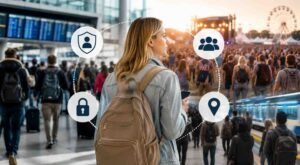
Most people think crowded places are safer simply because there are more people around. Whether it’s a train station, shopping mall, concert venue, airport, sports event, or busy downtown street, the presence of a crowd often creates a false sense of security. Ironically, that’s when many people stop paying attention to their surroundings.
What’s interesting is that the biggest mistakes in crowded places usually aren’t dramatic. They are small habits that seem harmless until they create inconvenience, frustration, or even safety issues. From blocking walkways to mishandling valuables, these everyday behaviors can affect both you and the people around you.
When Familiarity Makes People Less Aware
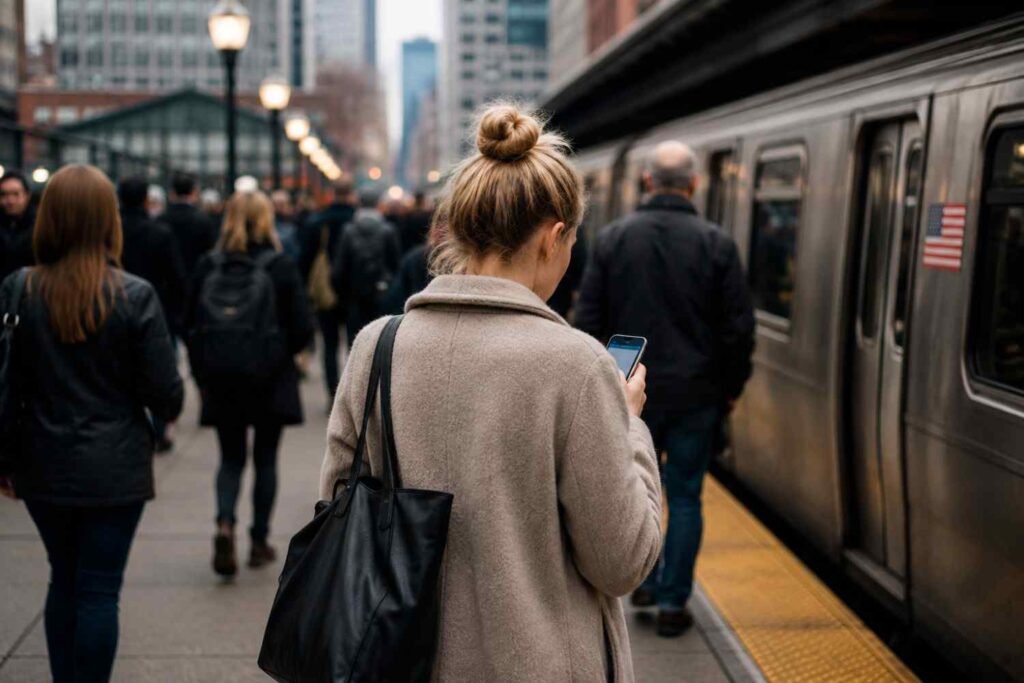
The longer people spend in crowded environments, the more comfortable they become. That comfort often leads to reduced awareness.
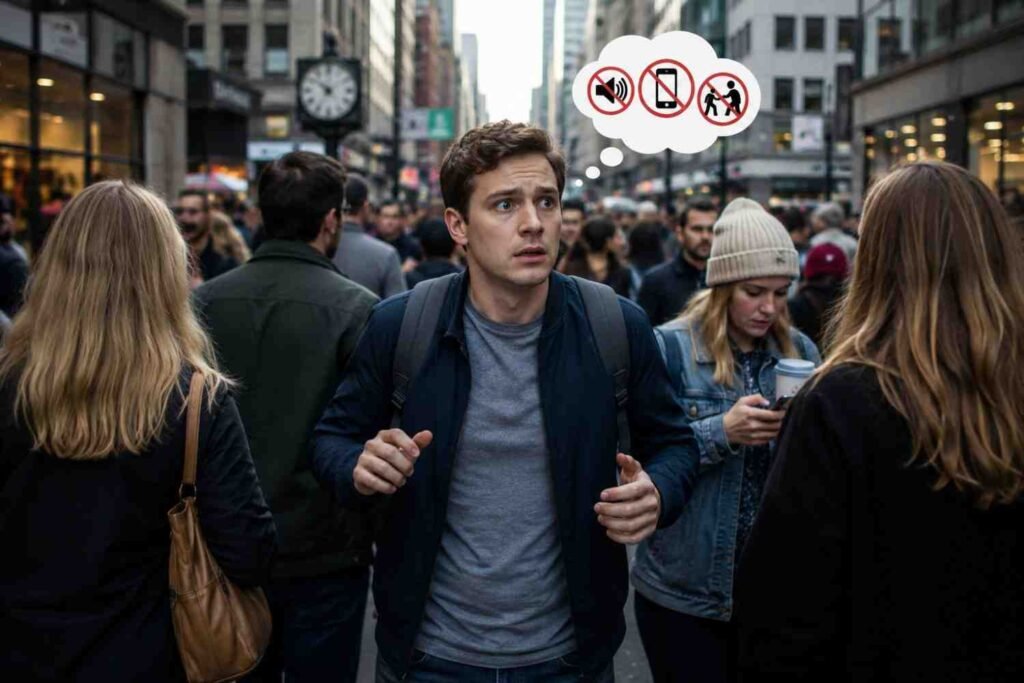
Many people walk through busy areas while scrolling through messages, watching videos, or wearing noise-canceling earbuds. While technology makes life convenient, it also reduces awareness of movement, announcements, and changes happening nearby.
Crowds move quickly and unpredictably. A distracted person may miss important cues, walk into others, or become an easier target for theft. Situational awareness does not require constant vigilance. It simply means paying attention to what’s happening around you rather than focusing entirely on a screen.
The Backpack Problem Most People Never Notice
One of the most common mistakes in crowded places involves something people carry every day.
Large backpacks can become obstacles in dense environments. In packed trains, busy sidewalks, and crowded attractions, a backpack worn on your back extends your personal space without you realizing it. People behind you may get bumped every time you turn or move.
Frequent commuters often remove backpacks and carry them by hand or wear them on the front when entering crowded areas. This small adjustment improves movement, reduces accidental contact, and helps protect valuables from theft.
The same principle applies to oversized shopping bags, rolling luggage, and bulky personal items. Being aware of the space you occupy helps everyone move more comfortably.
Why Stopping Suddenly Creates More Problems Than You Think
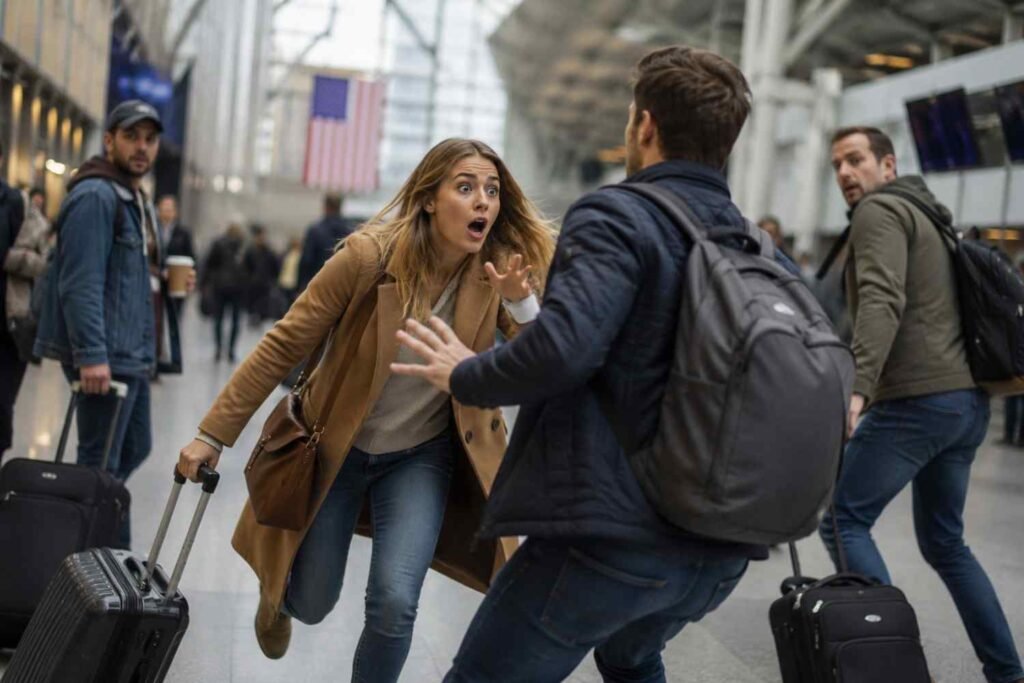
Most people have experienced it. You’re walking through a busy area when someone suddenly stops in the middle of the path to check directions, answer a text message, or take a photo.
The result is usually a chain reaction. People behind them slow down, change direction, or collide with one another.
Busy public spaces operate much like traffic systems. Smooth movement depends on predictability. If you need to check your phone, review a map, or stop for a picture, stepping to the side keeps pedestrian traffic flowing and prevents unnecessary congestion.
This habit becomes even more important in airports, transit hubs, and tourist attractions where large numbers of people are moving with limited space.
Small Security Mistakes That Attract Attention
Most thefts in crowded environments happen because an opportunity presents itself.
A phone sticking out of a back pocket, an open backpack, or a wallet placed carelessly in an easily accessible compartment can quickly attract unwanted attention. Professional pickpockets often look for distracted individuals rather than using complicated tactics.
Keeping valuables in zippered compartments, front-facing pockets, or secure cross-body bags significantly reduces risk.
Another overlooked habit involves handing phones to strangers for photos. While many people are genuinely helpful, busy tourist areas create opportunities for quick theft. Whenever possible, ask fellow travelers, use a phone stand, or take photos with your group instead.
Simple precautions often provide better protection than expensive security products.
Crowds Change How Groups Behave
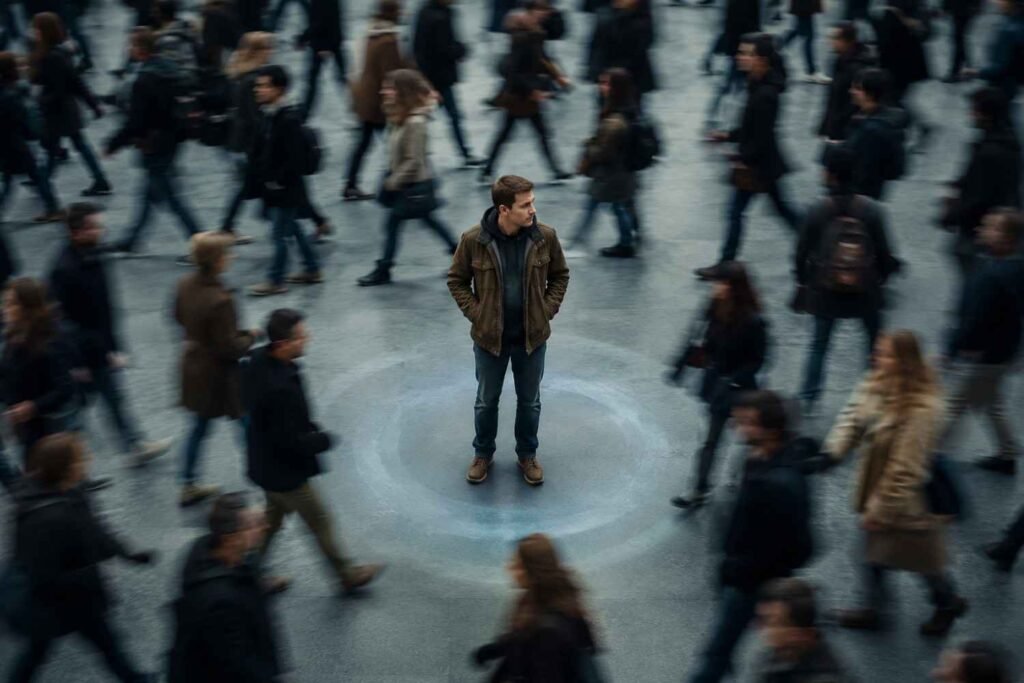
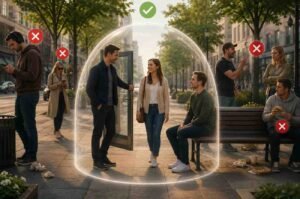
People rarely move through crowded places alone. Friends, families, and tour groups often stay together, which is understandable. The problem occurs when groups unintentionally block movement for everyone else.
Walking shoulder-to-shoulder across an entire sidewalk may feel natural within the group, but it forces others to slow down or step around the blockage. The same thing happens when groups stop suddenly near entrances, escalators, exits, or transit platforms.
Being aware of how your group affects surrounding foot traffic is one of the easiest ways to navigate public spaces respectfully.
Many of the same principles apply to simple precautions for public transportation. Standing clear of doors, allowing passengers to exit before boarding, and avoiding bottlenecks near entry points can make travel smoother for everyone involved.
Planning Ahead Can Reduce Crowd-Related Stress
Not every mistake in crowded places happens during the experience itself. Some occur before people even arrive.
Showing up at major attractions without tickets often leads to long lines, unnecessary frustration, and lost time. Many museums, landmarks, and popular events now offer timed-entry reservations that significantly reduce waiting.
Travelers who venture beyond the busiest tourist zones often discover a more enjoyable experience as well. Popular attractions deserve their reputation, but less-crowded neighborhoods, local recommendations, and off-peak visiting hours can provide a more relaxed atmosphere.
Sometimes, avoiding the most congested areas altogether is the simplest solution.
FAQs: The Most Overlooked Common Mistakes in Crowded Places
1. Why do people make more mistakes in crowded places?
Crowds often create a false sense of security, causing people to become less aware of their surroundings and everyday habits.
2. Should backpacks be removed in crowded areas?
In dense environments, carrying a backpack by hand or wearing it on the front helps prevent collisions and protects valuables.
3. What is the biggest security mistake people make?
Leaving phones, wallets, or other valuables in easily accessible pockets or unzipped bags is a common mistake.
4. How can I move through crowded places more efficiently?
Stay aware of pedestrian flow, avoid sudden stops, and move aside before checking directions or taking photos.
The Habits People Rarely Notice Until Something Goes Wrong
Most problems in crowded places don’t start with bad intentions. They start with small habits that people repeat without thinking. A distracted glance at a phone, a backpack swinging through a crowd, an unsecured wallet, or an unexpected stop in a busy walkway may seem insignificant on its own. Yet these small actions can create inconvenience, increase risk, and affect everyone sharing the space. The people who navigate crowds most effectively are often the ones who remain aware of both their surroundings and their impact on others.
Crowded places become easier to navigate when awareness becomes a habit instead of an afterthought.