Daily Wellness Tips for Kids During School Days

I know how busy school mornings can feel. Between packing lunch, finding shoes, checking homework, and getting everyone out the door on time, wellness can easily become an afterthought. But Daily Wellness Tips for Kids During School Days do not have to be complicated. Small habits repeated every day can help children feel more energetic, focused, confident, and emotionally balanced from morning until bedtime.
School days place a lot of pressure on kids. They need enough sleep to learn, healthy food to stay alert, clean habits to avoid germs, movement to release energy, and emotional support to manage stress. When parents create a steady routine, children are more likely to build habits that support both classroom performance and overall well-being.
Start With a Calm Morning Routine
A healthy school day begins before a child leaves home. A rushed morning can increase stress, lead to skipped breakfast, and make kids feel unprepared. A calm routine gives children a better start and helps them arrive at school with a clear mind.
Try preparing simple things the night before. Clothes, backpacks, homework folders, water bottles, and lunch items can be arranged ahead of time. This reduces morning decisions and gives kids more time to wake up properly.
Breakfast also matters. A balanced meal with protein, whole grains, fruit, or dairy can help children stay full and focused. Instead of sugary foods that cause quick energy crashes, choose options that release energy slowly, such as oatmeal, eggs, yogurt, whole-grain toast, or fruit smoothies.
Make Sleep a Daily Priority
Sleep is one of the most important parts of child wellness. Kids who do not sleep enough may struggle with focus, mood, memory, and patience during the school day. A consistent bedtime routine helps the body understand when it is time to slow down.
Parents can support better sleep by setting a regular bedtime, dimming lights in the evening, and keeping screens away before bed. A warm shower, quiet reading, or gentle conversation can help children relax. The goal is not just to send kids to bed early, but to create a peaceful routine that makes sleep easier.
Pack Lunches That Support Energy

A good lunch does more than fill a lunchbox. It supports learning, mood, and physical energy. Children need meals that are simple, familiar, and balanced enough to carry them through the afternoon.
A healthy school lunch can include a protein source, a fruit or vegetable, a whole-grain item, and water. Parents can rotate foods to avoid boredom while keeping meals realistic. Sandwiches, wraps, rice bowls, pasta salads, boiled eggs, cut fruit, yogurt, and veggie sticks can all work well when packed safely.
It also helps to involve kids in choosing lunch items. When children have a say, they are more likely to eat what is packed instead of bringing it home untouched.
Encourage Water Throughout the Day
Hydration is often overlooked during school days. Children may forget to drink water when they are busy with classes, recess, and activities. Even mild dehydration can make kids feel tired, distracted, or cranky.
Send a refillable water bottle every day and remind children to drink during breaks. For kids who dislike plain water, adding fruit slices or using a fun bottle may help. Sugary drinks should not become the main source of hydration because they can affect energy levels and dental health.
Teach Strong Hygiene Habits
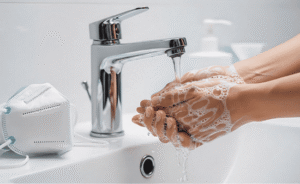
Schools are active places where children share desks, supplies, playground equipment, and lunch spaces. That makes hygiene a key part of daily wellness. Handwashing is one of the simplest habits that can reduce the spread of germs.
Children should wash hands before eating, after using the bathroom, after coughing or sneezing, and when they come home from school. Parents can also teach kids to avoid touching their face, cover coughs with an elbow, and keep personal items like water bottles and lip balm to themselves.
A small hygiene kit with tissues, hand sanitizer, and extra wipes can help older children feel prepared during the day.
Support Movement After School
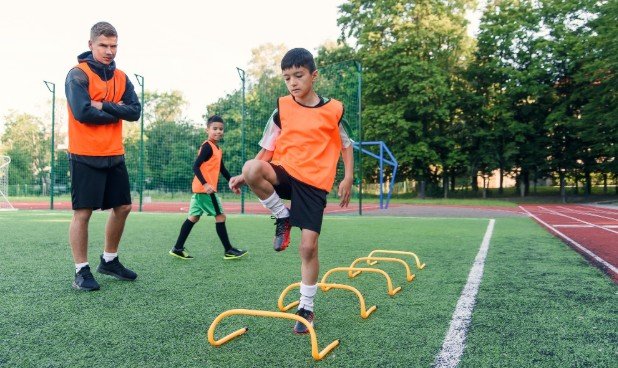
Children sit for many hours during school, so movement after class is important. Physical activity helps with mood, sleep, strength, coordination, and stress relief. It does not always need to be organized sports.
After-school movement can also reduce screen dependency. When children have an active outlet, they may feel less restless and more ready for homework, dinner, and bedtime.
Watch Screen Time and Digital Habits
Screens are part of modern childhood, but too much screen time can affect sleep, attention, posture, and emotional balance. School days need clear screen boundaries so children have enough time for homework, play, family conversation, and rest.
A helpful rule is to keep screens away from meals, bedrooms, and the last part of the evening. Parents can create a simple routine where homework, outdoor play, and reading come before entertainment screens.
The goal is not to remove technology completely. It is to help children use screens in a balanced way that does not replace healthier habits.
Care for Emotional Wellness
Wellness is not only physical. Kids also need emotional support during school days. Friendships, grades, classroom pressure, bullying, tests, and busy schedules can all affect a child’s mood.
Parents can help by checking in daily with open-ended questions. Instead of asking only, “How was school?” try asking what made them smile, what felt hard, or who they spent time with. These small conversations can reveal stress before it becomes bigger.
Children also need to know that mistakes are normal. Encouraging effort, kindness, and problem-solving can build confidence. When kids feel emotionally safe at home, they often handle school challenges better.
Frequently Asked Questions
1. What are the best Daily Wellness Tips for Kids During School Days?
The best tips include consistent sleep, balanced meals, daily hydration, proper handwashing, after-school movement, limited screen time, and regular emotional check-ins.
2. How can I help my child stay focused in school?
Start with enough sleep, a healthy breakfast, water, organized school supplies, and a calm morning routine. These habits help children feel prepared and alert.
3. What should kids eat before school?
A good breakfast should include protein, whole grains, and fruit when possible. Eggs, oatmeal, yogurt, toast, smoothies, and nut-free spreads are simple options.
4. How do I reduce school-day stress for my child?
Create predictable routines, ask gentle questions, avoid overscheduling, encourage breaks, and give children space to talk about worries without judgment.
Final Thoughts
I believe school-day wellness works best when it feels simple and repeatable. Parents do not need a perfect routine to raise healthier kids. They need steady habits that fit real mornings, real lunchboxes, real homework time, and real family life.
When children sleep well, eat balanced meals, drink water, move their bodies, practice hygiene, and feel emotionally supported, school days become easier to manage. Daily Wellness Tips for Kids During School Days are really about creating small routines that help kids feel strong, safe, focused, and ready to learn every day.