How to Use Household Cleaning Products Safely
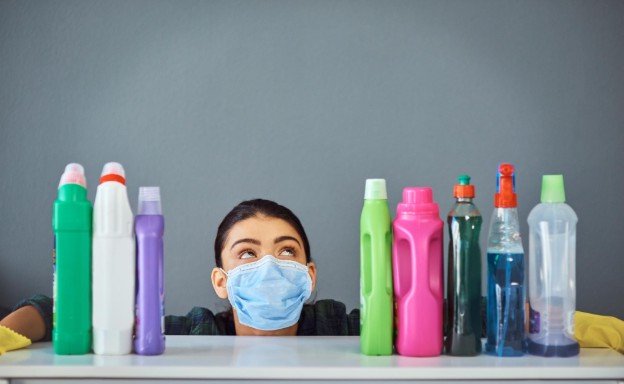
I used to think cleaning was only about making my home look fresh, smell better, and feel more comfortable. But the more I paid attention to product labels, storage habits, and common cleaning mistakes, the more I realized that safety matters just as much as cleanliness. How to Use Household Cleaning Products Safely is not complicated, but it does require simple habits that protect your skin, eyes, breathing, children, pets, and household surfaces.
Most cleaning products are made to do a specific job. Some remove grease, some kill germs, some dissolve stains, and others help with odors, mold, soap scum, or laundry buildup. These products can be helpful, but they can also become risky when used in the wrong way. Mixing cleaners, using too much product, ignoring ventilation, or storing chemicals within reach of children can quickly turn a normal cleaning routine into a safety problem.
Why Cleaning Product Safety Matters at Home
Household cleaners can cause skin irritation, eye burning, coughing, headaches, breathing discomfort, chemical burns, or accidental poisoning when they are not handled properly. Bathrooms, kitchens, laundry rooms, and small storage areas can be especially risky because fumes may build up faster in closed spaces.
Families also need to think about children and pets. Bright packaging, scented liquids, laundry pods, sprays, and colorful bottles may look harmless to them. A cleaner left open on the floor or counter for a few minutes can become dangerous. Safe cleaning starts with treating every product as something that needs attention, even if it is used every week.
Read the Label Before Using Any Cleaner
The label is the most important safety guide on any cleaning product. Before using a cleaner, check where it can be used, whether it should be diluted, how long it should stay on the surface, whether it needs rinsing, and whether gloves or ventilation are recommended.
Words such as caution, warning, danger, poison, flammable, corrosive, and irritant should always be taken seriously. These signal words explain the level of risk and help you decide how carefully the product should be handled.
Labels also help prevent surface damage. Some cleaners are not safe for natural stone, wood, painted surfaces, stainless steel, fabrics, electronics, or food-prep areas. If a product says to rinse after use, wipe the surface with clean water before placing food, dishes, toys, pet bowls, or baby items on it.
Never Mix Household Cleaning Products
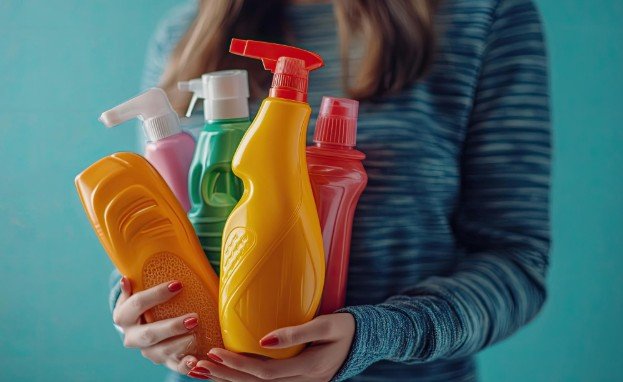
One of the most important safety rules is simple: never mix cleaning products. Bleach should not be mixed with cleaners like ammonia, vinegar, rubbing alcohol, toilet bowl cleaner, drain cleaner, or unknown products. These combinations can release harmful fumes that may irritate the eyes, nose, throat, and lungs.
If one cleaner does not work, do not immediately add another product. Rinse the area, improve airflow, and wait before switching cleaners. This is especially important in bathrooms, where toilet cleaners, mold removers, tile sprays, bleach products, and disinfectants are often used close together.
A good rule to follow is one product, one surface, one task. Using more products at the same time does not make cleaning better. It only increases the chance of a dangerous reaction.
Use Gloves, Fresh Air, and Basic Protection
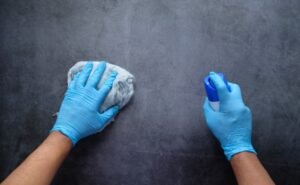
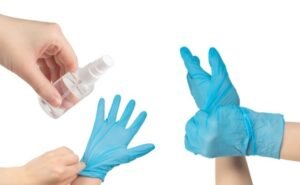
Gloves are helpful when using disinfectants, bathroom cleaners, degreasers, oven cleaners, bleach, drain openers, stain removers, or any product that dries or irritates your skin. If a cleaner may splash, be extra careful around your eyes and face.
Ventilation is just as important. Open windows, turn on exhaust fans, and keep doors open when using strong-smelling sprays or disinfectants. Avoid leaning directly over buckets, sinks, toilet bowls, drains, or freshly sprayed surfaces. When possible, spray the product onto a cloth instead of spraying it into the air.
Store Cleaning Products Away From Children and Pets
Safe storage prevents many household accidents. Keep cleaning products in their original containers with the label intact. Do not pour cleaners into cups, water bottles, food jars, soda bottles, or unmarked spray bottles because someone may mistake them for something else.
Store cleaners high, locked, or both. Laundry pods, dishwashing pods, bleach, drain openers, disinfectants, and strong bathroom cleaners should never be left within reach of children or pets. Always close caps tightly after use, and avoid leaving products on the floor while you clean.
Even products that seem mild should be stored responsibly. A safe home routine depends on what happens after cleaning, not just during cleaning.
Clean, Sanitize, and Disinfect the Right Way
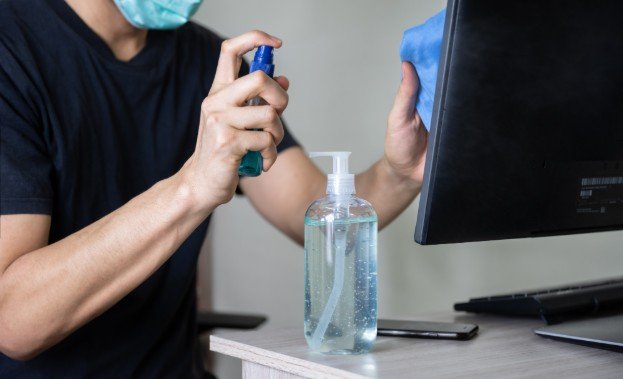
Cleaning, sanitizing, and disinfecting are not the same thing. Cleaning removes dirt, dust, grease, crumbs, and many germs from a surface. Sanitizing reduces germs to a safer level. Disinfecting kills specific germs when the product is used exactly as directed.
Many chemical disinfectants need contact time. That means the surface must stay wet for the amount of time listed on the label. Wiping it off too quickly may reduce its effectiveness. At the same time, using too much product is not better. Follow the directions instead of guessing.
For everyday messes, soap and water may be enough. Strong disinfectants are best saved for high-touch surfaces, illness cleanup, bathrooms, trash areas, and places that truly need germ control.
Use the Right Product for Each Room
Kitchen Safety
In the kitchen, keep cleaners away from open food, dishes, utensils, cutting boards, baby bottles, and pet bowls. After cleaning counters or tables, rinse or wipe the surface as directed before preparing meals. Avoid using harsh cleaners on food-contact surfaces unless the label clearly says it is safe and explains how to rinse afterward.
Bathroom Safety
Bathrooms need good airflow because fumes can build up quickly. Run the fan, keep the door open, and avoid using several cleaners at once. Never combine toilet bowl cleaner, bleach spray, mold remover, drain cleaner, and disinfectant in the same cleaning session without rinsing and waiting between products.
Laundry Room Safety
In the laundry room, use the recommended detergent amount. Extra soap can leave residue on clothing and inside the washer. Keep pods and stain removers sealed and stored securely. If using bleach, check fabric labels and keep it away from ammonia-based products.
Choose Safer Products When Possible
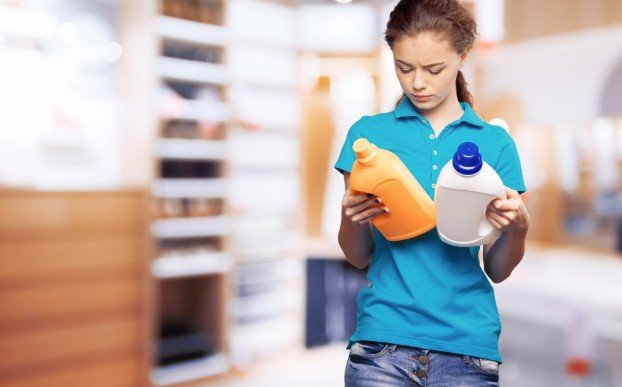
For routine cleaning, mild options may work well. Soap and water can handle many everyday messes. Baking soda can help with gentle scrubbing. Some fragrance-free or low-odor products may be easier for people who are sensitive to strong smells.
Natural does not always mean harmless. Vinegar, essential oils, and plant-based cleaners can still irritate skin, damage surfaces, or react badly with other products. The safest choice is always the product that matches the job and comes with clear directions.
What to Do If Accidental Exposure Happens
If a cleaner touches your skin, rinse the area with plenty of water. If it gets in your eyes, flush gently with clean water. If someone swallows a cleaner, do not guess, and do not force vomiting. Call a poison help line or emergency service right away and keep the product container nearby so the ingredients can be identified.
If fumes cause coughing, dizziness, chest tightness, or breathing trouble, leave the area immediately and get fresh air. Serious symptoms should be treated as urgent.
Frequently Asked Questions
1. What is the easiest way to remember How to Use Household Cleaning Products Safely?
Read the label, use one product at a time, ventilate the room, wear gloves when needed, and store everything away from children and pets.
2. Can vinegar and bleach be mixed?
No. Vinegar and bleach should never be mixed because the combination can create harmful fumes.
3. Are natural cleaners always safer?
No. Natural cleaners can still irritate skin, damage surfaces, or react with other products.
4. Should disinfectant be wiped off immediately?
Not usually. Many disinfectants need to stay wet for a set contact time, so always follow the label.
Final Thoughts
I believe a clean home should feel fresh, healthy, and safe. The goal is not to use the strongest product every time. The goal is to use the right product correctly. When I read labels, avoid dangerous mixes, protect my hands, improve airflow, and store cleaners carefully, I can clean with more confidence and fewer risks.
How to Use Household Cleaning Products Safely comes down to simple habits that make everyday cleaning safer for the whole home.