How To Improve Indoor Air Quality After Cleaning Safely
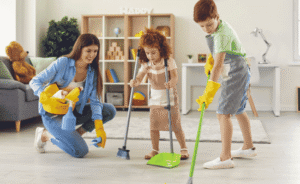
A freshly cleaned home should not leave your throat scratchy or your room smelling like chemicals. I learned that clean surfaces do not always mean clean air, especially after spraying, vacuuming, scrubbing, or mopping. The fastest way to understand how to improve indoor air quality after cleaning is to treat the next hour like a reset, not an afterthought.
Cleaning can lift settled dust, pet dander, pollen, mold spores, and fine particles into the air. Strong cleaners can also leave vapors behind. That is why I focus on four things after every deep clean: ventilation, filtration, humidity control, and safer product habits.
Why the Air Feels Worse Right After Cleaning
Dust, Dander, and Spores Get Stirred Up
When I clean shelves, rugs, baseboards, or ceiling fans, I can almost feel the air change. Dust does not disappear the moment I disturb it. Some of it lands on the cloth, but some floats through the room and settles later.
Vacuuming without strong filtration can also push fine particles back into the air. Sweeping dry floors can do the same thing. If someone in the home has allergies, asthma, or sinus irritation, this short post-cleaning window can matter more than people think.
The goal is not just to clean dirt. The goal is to stop it from becoming breathable dirt.
Cleaning Products Can Leave VOCs Behind
Many disinfectants, degreasers, glass sprays, scented products, and air fresheners release volatile organic compounds, also called VOCs. These gases can hang around longer in closed rooms.
A strong “clean” smell is not proof that the room is healthier. In my home, I treat sharp fragrance, bleach-like odor, or lingering spray smell as a signal to ventilate longer. If the product label says to use with ventilation, I take that seriously.
Start With a 15-Minute Fresh Air Flush
Create Cross-Ventilation
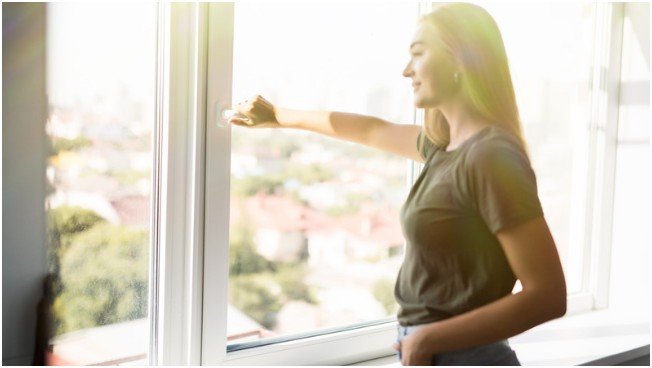
My first move after cleaning is simple. I open windows or doors on opposite sides of the room for 10 to 15 minutes when outdoor air is safe. This creates cross-ventilation, which moves stale indoor air out faster than opening one window alone.
I avoid this step when outdoor air is smoky, pollen-heavy, or polluted. On those days, I rely more on filtration and exhaust fans. Fresh air only helps when the outdoor air is actually better than the indoor air.
For apartments, one open window and a kitchen or bathroom exhaust fan can still create a useful air path. Keep interior doors open so air can move through the home instead of getting trapped in one cleaned room.
Use Exhaust Fans Where Fumes Start
Bathrooms and kitchens need extra help after cleaning. Tile sprays, toilet cleaners, oven cleaners, and degreasers can create stronger odors because these rooms are smaller and often humid.
I run the bathroom fan or range hood for about 20 minutes after cleaning. If the fan vents outdoors, it pulls moisture and fumes out instead of spreading them around the home. That makes a big difference after scrubbing showers, sinks, counters, and floors.
Use HEPA and Carbon Filtration the Smart Way
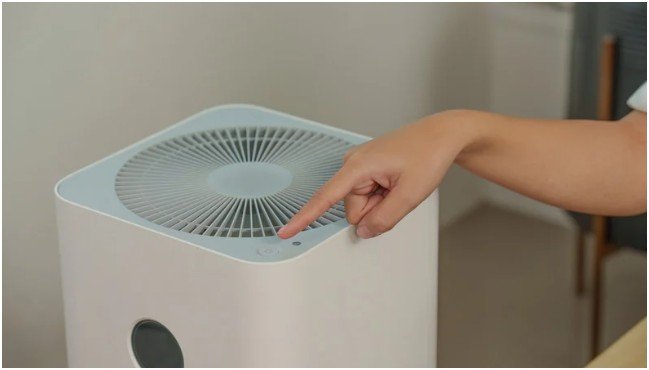
Run the Purifier on High First
Once I finish the fresh air flush, I run my air purifier on high for at least 30 to 60 minutes. A purifier with a True HEPA filter helps capture fine particles stirred up by dusting, vacuuming, and moving fabrics.
Placement matters. I keep the purifier away from walls, curtains, furniture, and laundry piles. Blocked airflow makes the machine work harder and clean less air.
For bedrooms, I run the purifier before bedtime if I cleaned that room earlier. It gives airborne particles time to get pulled through the filter before I sleep.
Match the Filter to the Pollutant
HEPA filtration is excellent for particles, but it is not the full answer for cleaning fumes. If I use a product with a strong smell, I want activated carbon in the purifier too.
Carbon filters help reduce some gases and odors. The thicker and more substantial the carbon filter, the better it usually performs. Small “odor sheets” are not the same as a real gas-phase filter.
I also avoid ozone-generating air cleaners. Ozone can irritate the lungs, and I do not want a device creating another air problem while trying to solve the first one.
Let Your HVAC Help Without Overworking It
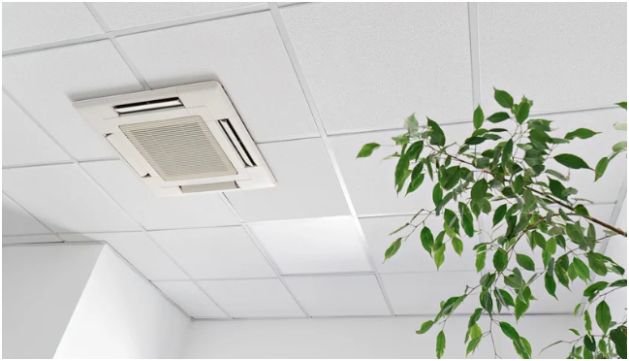
Switch the Fan On After Cleaning
If your home has central heating or cooling, the HVAC fan can help circulate air through the system filter. I switch the fan from “Auto” to “On” during cleaning and for about an hour afterward when needed.
This helps keep air moving through the filter even when the system is not actively heating or cooling. I do not leave it on all day without a reason, because long fan runtimes can increase energy use and may affect humidity in some homes.
Upgrade Filters Carefully
A MERV 13 filter can capture smaller particles than many basic filters, but not every HVAC system handles high-resistance filters well. I check the system manual or ask an HVAC technician before upgrading.
A dirty filter is worse than a forgotten filter. Replace or clean filters on schedule, usually every one to three months depending on the home, pets, dust, and system use. After heavy cleaning, renovations, wildfire smoke, or high pollen periods, filters may need attention sooner.
Also check vents and returns. Rugs, curtains, furniture, and dust buildup can block airflow. Clean air cannot circulate well through a blocked pathway.
Control Humidity After Mopping and Bathroom Cleaning
Cleaning often adds moisture to indoor air. Mopping, steam cleaning, shower scrubbing, and wet towels can raise humidity quickly. Too much humidity can encourage mold, mildew, and dust mites.
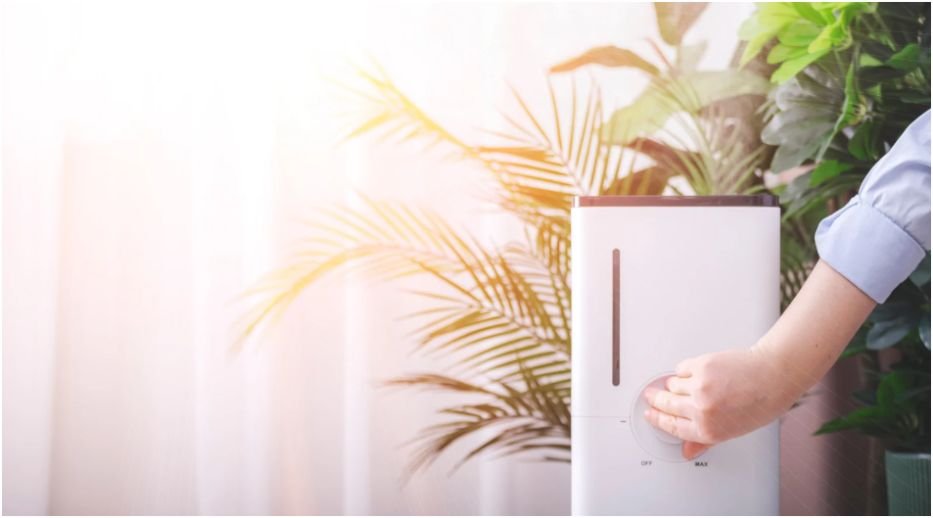
I aim to keep indoor humidity between 30% and 50%. A simple humidity gauge makes this easier than guessing. If the room feels damp after cleaning, I run the exhaust fan, air conditioner, or dehumidifier until the air feels balanced again.
Do not close up a freshly cleaned bathroom while it is still damp. Leave the door open, run the fan, and let towels dry fully. A clean bathroom that stays humid can become a mold-friendly bathroom.
Change the Cleaning Habits That Pollute the Air Again
Damp Dust Instead of Dry Dusting
Dry dusting looks productive, but it often moves dust from the surface into the air. I prefer a damp microfiber cloth because it traps particles instead of launching them.
The same idea applies to floors. A damp mop controls dust better than dry sweeping. For rugs and carpets, a vacuum with a sealed HEPA system is a better choice than quick surface passes with weak suction.
Choose Safer, Low-Odor Products
I now use fewer products, not more. Most everyday messes do not need a harsh disinfectant. A mild cleaner, dish soap solution, or fragrance-free certified product often does the job with less odor.
Look for credible labels such as EPA Safer Choice when buying cleaning products. I also avoid using scented sprays to “finish” a room. Air fresheners can add more chemicals after the cleaning is already done.
Never mix cleaning products. Bleach with ammonia or acids can create dangerous fumes. If a product has strong warnings, gloves and ventilation are not optional.
Store Cleaners So They Do Not Keep Off-Gassing
Indoor air quality after cleaning also depends on what happens between cleaning days. I keep bottles tightly closed, upright, and away from heat. Leaky caps, warm cabinets, and crowded storage bins can make odors linger.
This is where the internal safety habit matters: how to store cleaning products safely at home. Good storage protects kids and pets, but it also reduces unnecessary chemical smells inside cabinets, laundry rooms, and under-sink areas.
My 60-Minute Indoor Air Reset After Cleaning
Here is the routine I use when a room smells dusty, damp, or chemical-heavy after cleaning.
For the first 15 minutes, I open opposite windows or use an exhaust fan if outdoor air is poor. I move damp towels, trash, and used wipes out of the room quickly.
From 15 to 45 minutes, I run a HEPA purifier on high. If I used a strong-smelling cleaner, I make sure the purifier has activated carbon. I keep doors open so air does not stall.
From 45 to 60 minutes, I check humidity and surfaces. If the room still feels damp, I continue ventilation or use a dehumidifier. If I still smell product fumes, I keep filtering and avoid adding candles, plug-ins, or sprays.
This routine is simple, but it works because it follows the real order of the problem: remove polluted air, filter what remains, then stop moisture and chemicals from rebuilding.
Frequently Asked Questions
1. How long should I air out my house after cleaning?
Air out the space for at least 10 to 15 minutes, and longer if you used strong-smelling products or the room has poor airflow.
2. Do air purifiers help after cleaning?
Yes, a HEPA purifier helps capture fine dust and particles, while activated carbon can help reduce some odors and gases.
3. Why does my house smell worse after cleaning?
Cleaning can stir up dust and release VOCs from sprays, disinfectants, degreasers, or scented products.
4. What is the best way to improve indoor air quality after cleaning?
The best way is to ventilate first, run HEPA and carbon filtration, control humidity, and choose safer cleaning products.
Final Take: Make the Air Match the Shine
I do not judge a clean home by scent anymore. I judge it by how easy it feels to breathe after the work is done. A room that smells aggressively “fresh” may still need airflow, filtration, or a better product choice.
The next time you clean, give the air the same attention you give the counters. Open the right windows, run the right filter, keep humidity in check, and stop storing harsh products carelessly. Your home should not just look clean. It should breathe clean too.