How To Store Cleaning Products Safely At Home: 7 Rules
A messy cleaning cabinet can become risky faster than most people think. I learned this after opening an under-sink cabinet and finding bleach, drain cleaner, pet shampoo, dishwasher pods, and food storage bags all squeezed together.
That is not organization. That is a chemical traffic jam. Knowing how to store cleaning products safely at home helps protect kids, pets, indoor air, and even the person doing the cleaning.
Why Cleaning Product Storage Matters More Than Most People Think
Cleaning products are everyday items, so it is easy to treat them casually. I do not anymore. Many household cleaners contain ingredients that can irritate skin, eyes, lungs, or the stomach if used or stored badly.
The real risk often happens between cleaning sessions. A bottle cap stays loose. A spray nozzle faces outward. A child grabs a bright pod. A pet knocks over a leaking bottle. Someone stores vinegar beside bleach because both are “cleaning supplies.”
Safe storage is not about fear. It is about removing easy mistakes before they happen. The best system is simple: lock it, label it, separate it, ventilate it, and reset it after use.
Choose a Locked, High, and Out-of-Sight Storage Spot
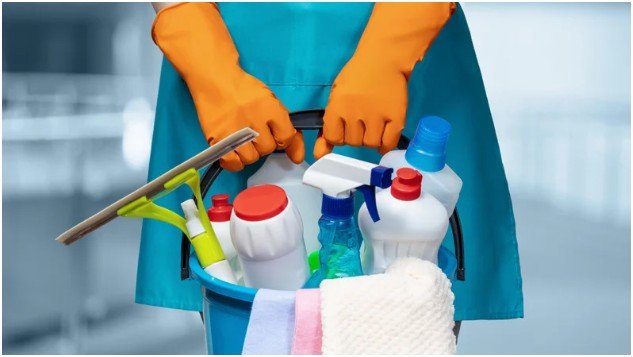
The safest place for cleaning products is high, locked, and out of sight. I prefer an upper utility cabinet with a latch, not an open shelf or a low cabinet that children can reach.
If high storage is not possible, use a locked cabinet, a child-resistant latch, or a lockable storage bin. This matters even if you do not have children. Guests, visiting relatives, toddlers, pets, and curious hands change the risk level instantly.
Why Under-the-Sink Storage Needs Extra Protection
The space under the kitchen sink feels convenient, but it is usually one of the easiest places to access. It is also close to food prep areas, trash bags, dish soap, and plumbing leaks.
If you must use that space, do not leave products loose. Add a cabinet lock, keep bottles upright in a plastic tray, and remove the harshest products from that area. Bleach, drain openers, oven cleaners, ammonia-based cleaners, and strong disinfectants deserve a more secure spot.
What I Use Instead of Open Shelves
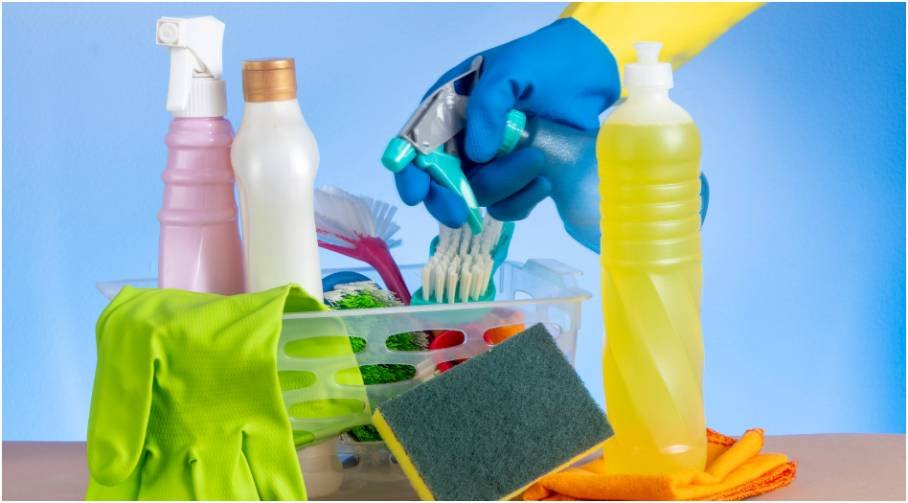
My preferred setup is a locked upper cabinet for chemical products and a separate daily caddy for low-risk tools. The cabinet holds disinfectants, bleach, bathroom cleaner, glass cleaner, laundry products, and specialty cleaners. The caddy holds microfiber cloths, gloves, sponges, and one product needed for that cleaning task.
This system reduces clutter and limits how many chemicals move around the house at once.
Keep Every Product in Its Original Labeled Container
Original containers are not just packaging. They carry directions, warnings, ingredients, first-aid steps, and manufacturer instructions. That label matters when something spills, leaks, splashes, or gets swallowed.
This is where I ignore the “pretty pantry” trend. Clear glass bottles may look neat online, but they can create real confusion at home. A cleaner in an unlabeled bottle can look like water, vinegar, juice, or soap.
Why Decanting Cleaners Can Become Dangerous
Never transfer cleaning products into drink bottles, food jars, cups, or unmarked spray bottles. If a spray bottle must be used for a diluted solution, label it clearly with the product name, dilution date, and warning. Do not rely on memory.
Caps also matter. After every use, close lids tightly. Child-resistant caps only help when they are fully secured. They are not a substitute for locked storage.
Keeping products in original containers is one of the most practical rules for anyone learning how to store cleaning products safely at home without overcomplicating the process.
Separate Products That Should Never Sit Together
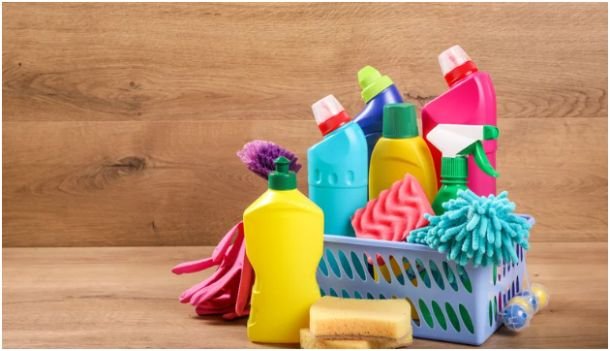
I like to store cleaning products by risk, not by room. Bathroom cleaners do not all belong together if one contains bleach and another contains acid. Laundry products do not all belong together if pods are easy to grab.
Use separation zones. Keep bleach-based products in one tray, ammonia-based products in another, acids like vinegar or toilet cleaner away from bleach, and drain cleaners in their own secure area.
Bleach, Ammonia, Acids, and Drain Cleaners
Some products should never mix. Bleach and ammonia can produce toxic chloramine vapors. Bleach and acids, including vinegar and some toilet cleaners, can release chlorine gas. Hydrogen peroxide and vinegar can form peracetic acid, which can irritate skin, eyes, and lungs.
Drain cleaners need extra caution. Do not combine different drain cleaners or use one immediately after another. Chemical reactions can cause heat, splashing, fumes, or pressure inside pipes.
My rule is simple: one chemical job at a time to make home safer from toxic fumes. Use the product, rinse if the label says to, ventilate the area, and put it away before opening another cleaner.
Store Cleaning Products in a Cool, Dry, Ventilated Area
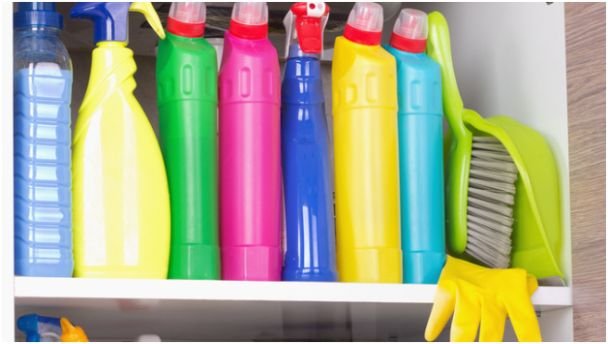
Heat, humidity, and poor airflow can damage containers and increase fumes. A cool, dry indoor space is better than a hot garage, damp basement, or sunny porch.
Avoid storing cleaning products near heaters, pilot lights, direct sunlight, HVAC vents, or appliances that become hot. Also avoid storing them beside paper towels, food, pet food, baby items, or personal care products.
Why Garages and Laundry Rooms Need Caution
Garages often get too hot or too cold. That can weaken packaging, trigger leaks, or reduce product stability. Laundry rooms can also become risky because products often sit on top of washers or dryers.
I do not store pods, bleach, or stain removers on laundry machines. Vibration can move containers, and the surface is too easy to access. A locked cabinet above the machines works better.
Ventilation matters too. If a cabinet smells strongly of chemicals when opened, reduce the number of products, check for leaks, and move the strongest items to a better location.
For related air-safety habits, know how.
Build a Simple Cleaning Caddy Without Creating Risk
A cleaning caddy should help you clean safely, not turn into a portable chemical pile. I use one caddy per task, not one giant caddy for every room.
For example, a bathroom caddy might include gloves, two cloths, a scrub brush, and one bathroom cleaner. A kitchen caddy might include dish soap, microfiber cloths, and a surface cleaner approved for that area.
Do not mix products inside the caddy. Keep bottles upright. Make sure spray nozzles are turned off or closed. Never leave the caddy on the floor while taking a break. Put it back in locked storage, even if you plan to continue cleaning later.
This habit is especially useful when guests, children, or pets are in the home.
Use the 30-Second Reset After Every Cleaning Session
The best original element I use is the 30-second reset. It sounds small, but it catches most storage mistakes before they become problems.
After cleaning, I ask five questions. Is the cap closed? Is the label facing forward? Is the bottle upright? Is it back in the correct zone? Is the cabinet locked?
That quick reset prevents loose caps, mystery bottles, drips, and misplaced products. It also makes the next cleaning session easier because everything is ready.
This reset is my favorite answer to how to store cleaning products safely at home because it turns safety into a habit, not a weekend project.
What to Do During a Spill, Leak, or Exposure
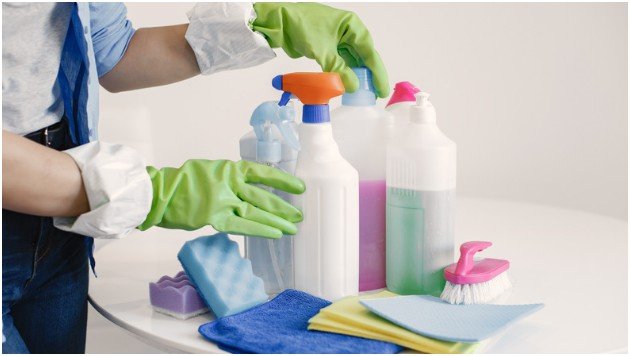
If a cleaning product leaks, do not guess. Read the label first. Wear gloves if the label recommends them. Keep kids and pets away from the area. Open windows if fumes are present and it is safe to do so.
Do not wipe an unknown chemical with another cleaner. Use absorbent material only if the label allows it. Place damaged containers inside a secondary plastic bin until you can dispose of them according to local waste rules.
If someone swallows, inhales, or gets a cleaner in their eyes or on their skin, use the product label and contact Poison Help at 1-800-222-1222 in the United States. If the person has trouble breathing, collapses, or has severe symptoms, call 911.
FAQs About Cleaning Product Storage
1. What is the safest place to store household cleaning products?
A high, locked, dry cabinet out of sight and reach of children and pets is the safest option.
2. Can I store cleaning products under the kitchen sink?
Yes, but only if the cabinet is locked, products are upright, and harsh chemicals are separated from food-related items.
3. Should cleaning products stay in original containers?
Yes, original containers keep labels, safety instructions, ingredients, and first-aid details available.
4. How to store cleaning products safely at home with pets?
Store cleaners in locked cabinets, keep caddies off the floor, close caps tightly, and wipe spills immediately.
Final Sparkle: Your Cleaning Cabinet Needs Boundaries
I like a clean home, but I like a safe one more. A good storage system does not need fancy bins or a perfect Pinterest shelf. It needs locked access, clear labels, chemical separation, ventilation, and a quick reset after every use.
Start with one cabinet today. Remove food items, check every label, tighten every cap, separate bleach from acids and ammonia, and lock the door. That small upgrade is the difference between “I think it is fine” and “I know it is safe.”