How to Reduce Dust and Allergens at Home Naturally
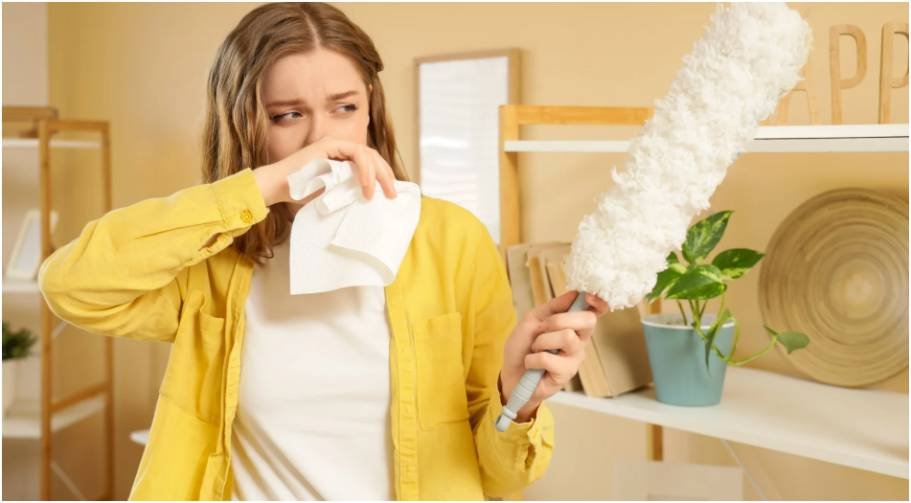
When I first learned how to reduce dust and allergens at home, I stopped treating dust like a cleaning failure. Dust is not just dirt. It is a mix of skin flakes, fabric fibers, pet dander, pollen, mold spores, pest debris, and tiny particles that keep moving through rooms.
The real fix is not wiping the same shelf every morning. It is controlling the sources, removing dust reservoirs, and keeping particles from floating back into the air. Once I started using that approach, my home stayed cleaner for longer, and allergy triggers became easier to manage.
Why Dust Keeps Coming Back Even After You Clean
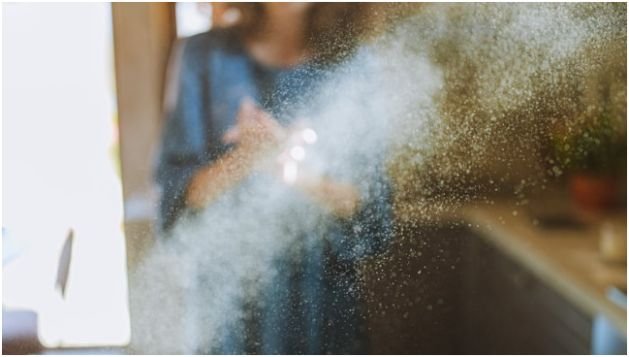
Dust returns because homes constantly produce it. Bedding sheds fibers. People shed skin cells. Pets release dander. Shoes bring in pollen and outdoor debris. HVAC systems move particles from room to room. If humidity stays high, dust mites and mold also get a better environment to grow.
That is why a strong plan must go beyond surface cleaning. You need to reduce what feeds allergens, remove the places where they collect, and filter the air that carries them.
The Dust Source-Control Method I Use
I use a simple three-part test before cleaning any room. First, I ask what creates dust here. Second, I check where dust settles. Third, I look at what sends it airborne.
In a bedroom, the answers are usually bedding, carpet, curtains, and soft furniture. In a living room, the problem may be rugs, upholstery, pet beds, open shelves, and electronics. This method helps you fix the cause instead of chasing dust after it lands.
Start With the Bedroom, Not the Living Room
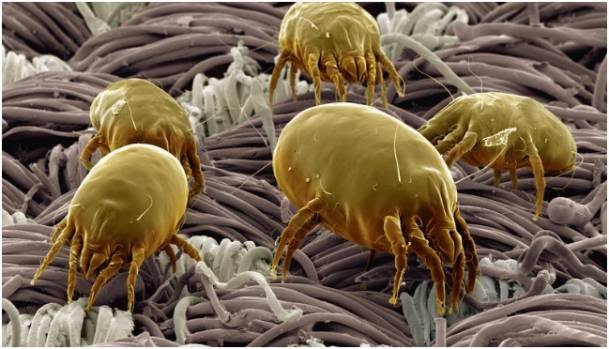
The bedroom deserves priority because you spend hours breathing close to pillows, sheets, and mattresses. It is also where dust mites thrive. These microscopic pests feed on skin flakes and collect in bedding, mattresses, carpets, and soft fabrics.
Use Allergen-Proof Covers
Start with zippered allergen-proof covers for pillows, mattresses, and box springs. Choose tightly woven covers designed for dust mite control. They createpered allergen-proof covers for pillows, mattresses, and box springs. Choose a barrier between you and the allergens already inside soft bedding layers.
This is one of the highest-impact steps because mattresses are not easy to wash. A good encasement turns a deep dust reservoir into a manageable surface.
Wash Bedding the Right Way
Wash sheets, pillowcases, blankets, and washable covers every week. Use hot water when the fabric label allows it. A temperature around 130°F helps control dust mites, but always follow care instructions to avoid damaging bedding.
Dry everything completely. Damp bedding can invite mold and musty odors. If hot washing is not possible, use a hot dryer cycle when safe for the fabric.
Rethink Pillows, Comforters, and Stuffed Toys
Feather, down, and wool bedding can trap allergens and may be harder to clean. Hypoallergenic synthetic pillows and comforters are often easier to wash and maintain.
For stuffed toys, keep only a few on the bed. Wash them often if they are machine-safe. For non-washable plush toys, seal them in a plastic bag and freeze them for 24 hours, then shake or vacuum them outside.
Replace Dust Traps With Easier-to-Clean Surfaces
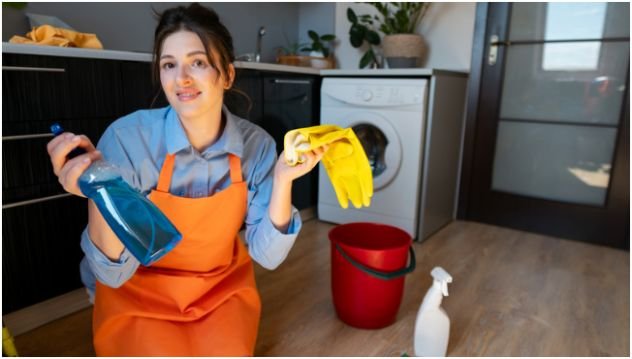
A home with fewer dust traps needs less aggressive cleaning. This matters because heavy cleaning can stir allergens into the air, especially for people with asthma or allergies.
Choose Hard Floors and Washable Rugs
Wall-to-wall carpet acts like a dust bank. It holds dust mites, pet dander, pollen, and fine particles even after vacuuming. If possible, replace carpet with wood, tile, vinyl, or laminate.
If you like softness underfoot, use low-pile washable rugs. They are easier to clean and less likely to hold deep dust. In bedrooms, this switch can make a noticeable difference.
Fix Curtains, Upholstery, and Clutter
Heavy drapes collect dust fast. Use washable curtains, roller shades, or blinds made from wood, plastic, or metal. Wipe blinds with a damp microfiber cloth instead of dry dusting them.
For furniture, smooth surfaces are easier to manage. Leather, vinyl, wood, and washable slipcovers beat thick fabric upholstery when allergies are a concern.
Clutter also matters. Open shelves, stacked books, decorative bowls, and small objects give dust more landing space. Store items in closed cabinets or covered bins where possible.
Clean Without Launching Allergens Into the Air
Cleaning should remove dust, not turn it into a cloud. The order and tools you use make a big difference.
Damp Dust Before You Vacuum
Always clean from top to bottom. Start with ceiling fans, shelves, window frames, and furniture. Finish with floors.
Use a damp microfiber cloth or an electrostatic duster. Avoid dry rags because they often push particles into the air. Rinse cloths often, and do not reuse a dirty cloth from room to room.
For electronics, use a microfiber cloth that is safe for screens and vents. Dust around cords and behind devices because heat and static attract particles.
Use a HEPA Vacuum and Protect Yourself
Vacuum at least once a week, and more often in pet areas or high-traffic rooms. Choose a vacuum with a true HEPA filter or sealed filtration system. This helps keep fine particles from escaping back into the room.
Vacuum slowly. Fast vacuuming looks productive, but it often misses embedded dust. Go over carpets, rug edges, mattress surfaces, pet beds, and upholstered furniture.
If cleaning triggers symptoms, wear an N95 mask. After vacuuming, leave the room for 20 to 30 minutes so stirred particles can settle.
Control Humidity, Airflow, and Filtration
Air quality is the hidden half of dust control. You can clean perfectly and still struggle if humidity, ventilation, and filtration work against you.
Keep Humidity in the Safe Zone
Keep indoor relative humidity between 30% and 50%. This range helps reduce dust mite growth and makes mold less likely. Use a small hygrometer to check rooms instead of guessing.
Bathrooms, basements, laundry rooms, and kitchens often need extra attention. Run exhaust fans that vent outdoors. Fix roof leaks, plumbing leaks, and damp wall areas quickly.
If your home feels sticky or smells musty, use a dehumidifier. Empty and clean it often so it does not become another source of indoor contamination.
Use HVAC Filters and HEPA Air Purifiers Wisely
Change HVAC filters on schedule, often every three months. If your system allows it, use a higher-efficiency filter such as MERV 11 to MERV 13. Check your HVAC manual first because overly restrictive filters can reduce airflow in some systems.
A portable HEPA air purifier can help in bedrooms, nurseries, home offices, and rooms where pets spend time. Match the purifier to the room size. Keep doors and windows closed while it runs during pollen season.
Air purifiers do not replace cleaning. They capture airborne particles, but they cannot remove dust already sitting on shelves, bedding, carpets, or pet beds.
Pet Dander, Pollen, and Everyday Habits That Matter
If you have pets, create pet-free sleep zones. Wash pet bedding weekly. Brush pets outside when possible, and wipe paws after walks during pollen season.
Keep windows closed on high-pollen days. Use air conditioning instead of open windows when outdoor allergens are heavy. Place washable mats near doors and ask family members to remove shoes indoors.
Small habits also help. Do not shake blankets inside. Do not pile worn clothes on chairs. Do not let laundry sit damp. These simple changes reduce fabric fibers, moisture, and allergen buildup.
This is also where your internal cleaning routine connects with air quality. After deep cleaning, it is important to know how to improve indoor air quality after cleaning so particles, product fumes, and stirred-up dust do not linger indoors.
FAQs About Reducing Dust and Allergens at Home
1. How often should I clean to reduce dust allergies?
Clean high-use rooms weekly, wash bedding weekly, and dust visible surfaces whenever buildup appears.
2. What is the fastest way to reduce dust in a bedroom?
Cover the mattress and pillows, wash bedding weekly, remove carpet if possible, and use a HEPA vacuum.
3. Do air purifiers remove dust mites?
Air purifiers capture airborne particles, but dust mites live mostly in bedding, carpets, and fabrics.
4. How to reduce dust and allergens at home with pets?
Wash pet bedding weekly, vacuum with HEPA filtration, keep pets off beds, and wipe paws after outdoor walks.
Your Dust Drama Ends Here
Learning how to reduce dust and allergens at home changed the way I clean. I stopped blaming myself for dust and started managing the places where allergens live, grow, and travel.
Start with the bedroom this week. Cover the mattress, wash the bedding, damp dust the room, vacuum slowly, and check humidity. That one room can make your whole home feel easier to breathe in.