How To Make Your Home Safer From Toxic Fumes at Home
A “clean” smell can be a warning sign, not a win. If your eyes sting after mopping, your kitchen feels heavy after cooking, or a new couch smells sharp for days, your home is telling you something. Learning how to make your home safer from toxic fumes starts with one rule I follow: remove the source first, then ventilate, then filter.
I learned this the annoying way after painting a small room and trusting one cracked window to do the job. The smell lingered for two days. Now I treat fumes like a home safety issue, not a housekeeping detail.
Start With the Fume Audit Most Homes Skip
Most people try to cover odors. I look for the source. My quick audit separates the home into three zones: air zones, product zones, and hidden-source zones. This makes the problem easier to fix.
Zone 1: Airflow
Walk through the rooms where fumes build up fastest. Kitchens, bathrooms, laundry rooms, garages, craft corners, and freshly painted rooms need the most attention. If a room has no exhaust fan, no openable window, or a blocked vent, fumes stay longer.
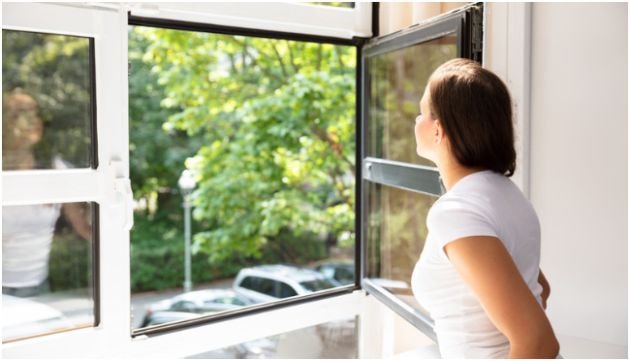
A simple habit helps. I open windows on opposite sides of the house for a short flush when outdoor air is safe. I also keep interior doors open during airing, unless I am isolating one strong source.
Zone 2: Products
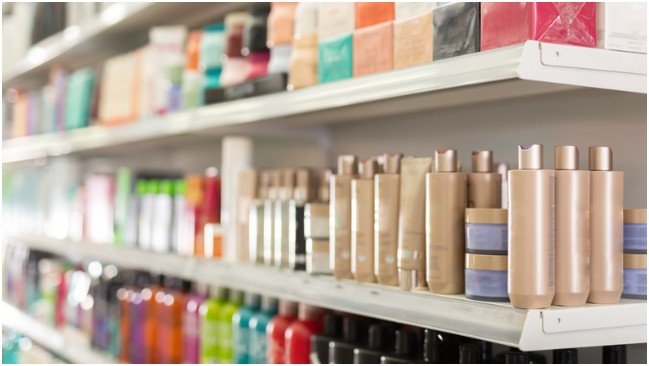
Next, I check labels. Paints, sprays, disinfectants, solvents, adhesives, pesticides, fuels, and some personal care products can release volatile organic compounds, also called VOCs. New furniture, rugs, mattresses, cabinets, and vinyl flooring can also off-gas.
If a product says “use in a well-ventilated area,” I treat that as a real instruction. I do not use it in a closed bathroom and hope for the best.
Zone 3: Hidden Sources
Some sources hide in plain sight. Attached garages can bring fuel and exhaust odors indoors. Dry-cleaned clothing can carry chemical smells. Scented plug-ins can run all day. Damp dust can hold chemical residues. Even hobby supplies can release fumes after the project ends.
This is why how to make your home safer from toxic fumes is not only about buying an air purifier. It is about finding what keeps releasing fumes.
Ventilate Like You Mean It
Ventilation works best when it is timed around high-emission activities. I do not wait until the room already smells harsh.
Use Cross-Breeze Windows
Open one window where air can enter and another where air can leave. A small fan facing outward can help pull stale air out. I use this after cleaning, painting touch-ups, unpacking new furniture, or using craft glue.
Avoid opening windows during wildfire smoke, heavy traffic pollution, high pollen days, or outdoor chemical spraying nearby. On those days, keep windows closed and use filtration instead.
Run Exhaust Fans at the Right Time
Kitchen fumes are not only about burnt food. Gas stoves and high-heat cooking can release pollutants into indoor air. I run the range hood before the pan gets hot and keep it on for a few minutes after cooking.
Bathroom fans help after cleaning with strong products. Laundry fans or open windows matter when using stain removers, bleach products, or heavily scented detergents.
Stop Toxic Fumes Before They Start
Source control is the boring answer that works. If I can choose a lower-fume product, use less of it, or avoid storing it indoors, I do that before relying on filters.
Never Mix Cleaning Products
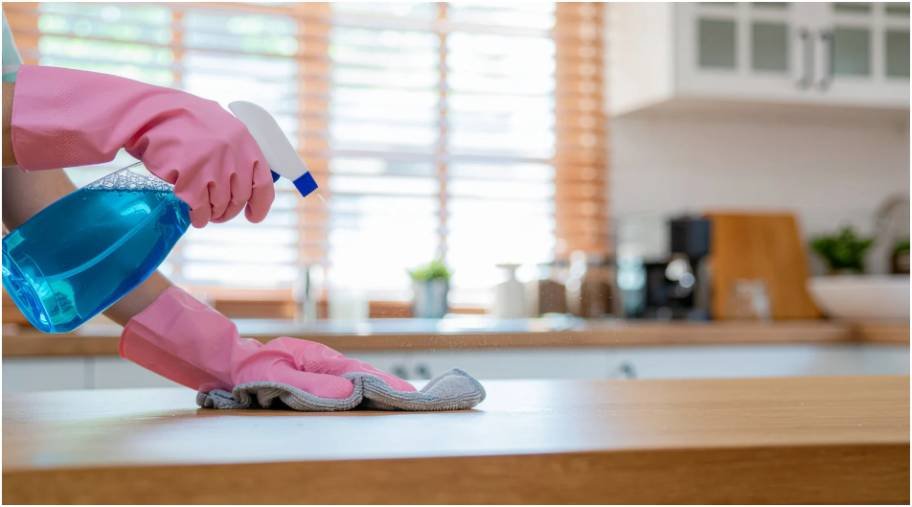
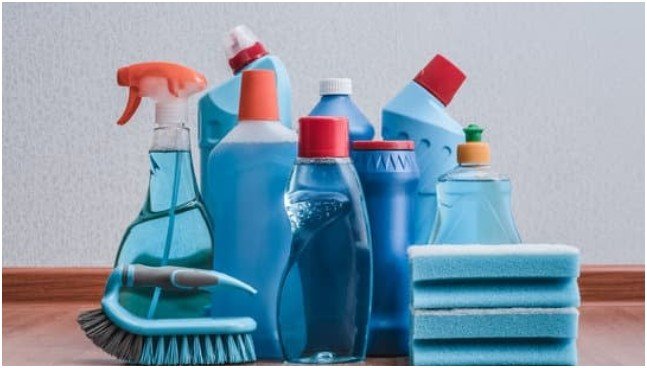
This rule is non-negotiable. Bleach should never be mixed with ammonia, vinegar, toilet cleaners, drain cleaners, or rubbing alcohol. Dangerous gases can form fast, and a small bathroom can turn risky quickly.
Use one product at a time. Rinse the surface if needed. Let it dry before using something else. Keep products in their original containers so the warnings stay with them.
For everyday cleaning, I also connect this habit with my safer routine for how to clean your home without harsh chemicals. It keeps the cleaning cabinet simpler and reduces guesswork.
Store Chemicals Like They Can Leak
I keep paint, solvents, pesticides, gasoline, auto fluids, and strong cleaners away from living spaces when possible. A detached shed or ventilated garage is better than a hallway closet.
Buy the amount you need soon. Old containers can keep releasing gases, even when closed. If you have half-used paint cans or mystery cleaners, check your local household hazardous waste program instead of tossing them in regular trash.
Remove Fragrance Traps From Your Rooms
Air fresheners, plug-ins, wax melts, incense, and scented candles can make a room smell “clean” while adding more airborne chemicals. I stopped using fragrance to cover trash, pet odor, mildew, or cooking smells. Covering a problem delays the fix.
For a fresher home, I remove the odor source first. I take out trash, clean sink drains, wash soft fabrics, and open windows when outdoor air is safe. If I want a light scent, I use it briefly, not as a 24-hour background cloud.
Choose Safer Materials During Renovations
Renovations can overload indoor air. Paint, flooring adhesive, caulk, sealants, cabinets, carpet, and spray foam can release fumes during and after installation.
My rule is simple: shop low-VOC when available, schedule messy work when windows can stay open, and keep vulnerable people away from the work area. Babies, older adults, pregnant people, and anyone with asthma or lung disease need extra caution.
Air out new furniture, rugs, mattresses, and curtains before placing them in bedrooms. A garage, porch, or well-ventilated spare room can make a big difference. Heat and humidity can increase off-gassing, so keep rooms cool and dry when possible.
Filter the Air Without Falling for Hype
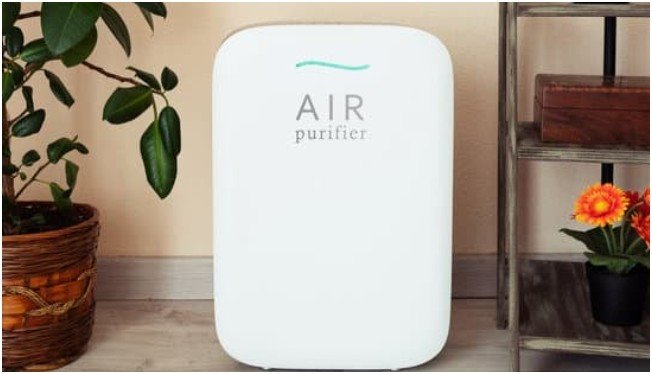
A true HEPA filter is useful for particles like dust, smoke particles, pollen, and some fine debris. It does not remove gases by itself. For fumes and VOCs, look for activated carbon or another gas-phase filter.
This matters because many shoppers buy the wrong purifier. If your concern is paint smell, fragrance, solvents, or wildfire odor, choose a unit designed for gases and change filters on schedule. A clogged filter is not a safety plan.
For HVAC systems, use the highest MERV filter your system can handle without hurting airflow. If airflow drops, the system may work harder and clean less air.
Houseplants are pleasant, but I do not count them as a serious fume-control system. They cannot outwork a leaking solvent can, a gas stove without ventilation, or a freshly glued floor.
My 20-Minute Toxic Fume Reset
When a room smells sharp, I use this reset. First, I remove the source. That may mean moving a product outside, closing a paint can, taking out trash, or stopping a scented device. Then I ventilate with cross-flow for 10 to 15 minutes when outdoor air is safe. Finally, I run the right purifier for the room size.
This sequence works because it follows the real order: source, air, filter. Skipping the first step only moves fumes around.
FAQs
1. What is the fastest way to reduce toxic fumes at home?
Remove the source, open windows for cross-ventilation when outdoor air is safe, and run exhaust fans or carbon filtration.
2. Do air purifiers remove chemical fumes?
Some do, but HEPA alone targets particles; chemical fumes need activated carbon or another gas-phase filter.
3. Are houseplants enough to clean indoor air?
No. Houseplants may help slightly, but ventilation, source control, and proper filtration matter much more.
4. How often should I check my home for toxic fume sources?
Do a quick check monthly and after painting, deep cleaning, pest treatment, new furniture, or renovation work.
Final Take: Your Home Does Not Need a Chemical Fog
A safer home does not have to smell like bleach, perfume, or fresh plastic. I prefer a home that smells like almost nothing, because that usually means the real problem is handled.
The smartest answer to how to make your home safer from toxic fumes is not one expensive gadget.
It is a calmer system: buy fewer harsh products, stop mixing chemicals, ventilate during risky tasks, store solvents away from living areas, and use the right filter when fresh air is not enough.
Start with one cabinet, one room, or one scented product today. Your lungs will appreciate the drama-free upgrade.